
























AI-based OCT analysis reveals plaque composition changes after intensive lipid-lowering therapy in non-obstructive coronary lesions: YELLOW III sub-study
By
Annapoorna S. Kinia Send email to [email protected]
Summary
This YELLOW III sub-study investigates the impact of intensive lipid-lowering therapy on non-obstructive coronary plaques using AI-based tissue characterization from optical coherence tomography (OCT) and optical flow ratio (OFR). The research focuses on how maximal lipid-lowering therapy affects plaque composition and coronary physiology, addressing the gap in serial data linking quantitative plaque compositional changes to coronary physiology. Non-obstructive coronary plaques, particularly those with high lipid burden and adverse morphology, are identified as major sources of future coronary events.
Source
 Twitter / XAI-based OCT analysis reveals plaque composition changes after intensive lipid-lowering therapy in non-obstructive coronary lesions: YELLOW III sub-studyatherosclerosis-journal.com
Key quotes
· 3 pulledNon-obstructive coronary plaques are a major source of future coronary events, particularly when characterized by high lipid burden and adverse plaque morphology.
While intensive lipid-lowering therapy promotes plaque regression, serial data linking quantitative plaque compositional changes to coronary physiology are limited.
We aimed to evaluate the impact of maximal lipid-lowering therapy on coronary plaque composition and coronary physiology, using artificial intelligence (AI) based tissue characterization derived from OCT and optical flow ratio (OFR).
You might also wanna read

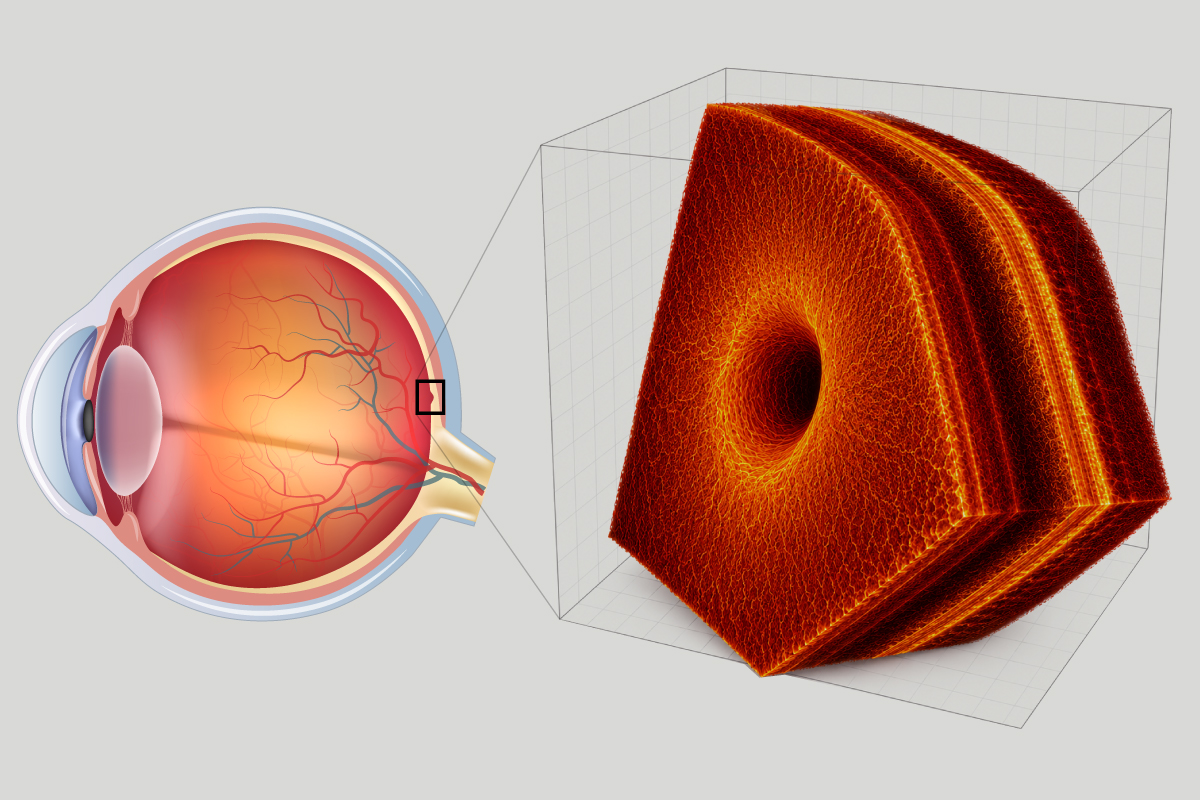
WashU Medicine researchers develop AI system to interpret 3D retinal scans for faster disease diagnosis
Researchers at WashU Medicine have developed an experimental AI system that interprets 3D images of the eye's retina to help diagnose retina
 medicine.washu.edu·26d ago
Plasma proteomic signatures enable risk prediction of early retinal neurodegeneration in type 2 diabetes
This multi-cohort prospective observational study by Wei Wang and colleagues investigates circulating plasma protein signatures associated w
 plos.io·27d ago
AI analysis of routine mammograms can detect heart disease risk in women, study finds
A new study demonstrates that AI can analyze calcium deposits in breast arteries from routine mammograms to detect heart disease risk in wom
 goodnewsnetwork.org·27d ago
Flow-mediated endothelial remodeling and inflammation drive developmental vascular susceptibility in ldlr loss of function

Artificial intelligence in cardiovascular care: from promise to practice

AI model uses mammograms to predict heart disease risk from breast artery calcifications
Researchers have developed an AI model that analyzes mammograms to detect breast arterial calcifications (BAC), which can help predict heart
 scientificamerican.com·1mo ago
Comments
Sign in to join the conversation.
No comments yet. Be the first.