
























OU Paleontologists Discover Exceptionally Preserved Soft Tissue in 450-Million-Year-Old Crinoid Fossil
Summary
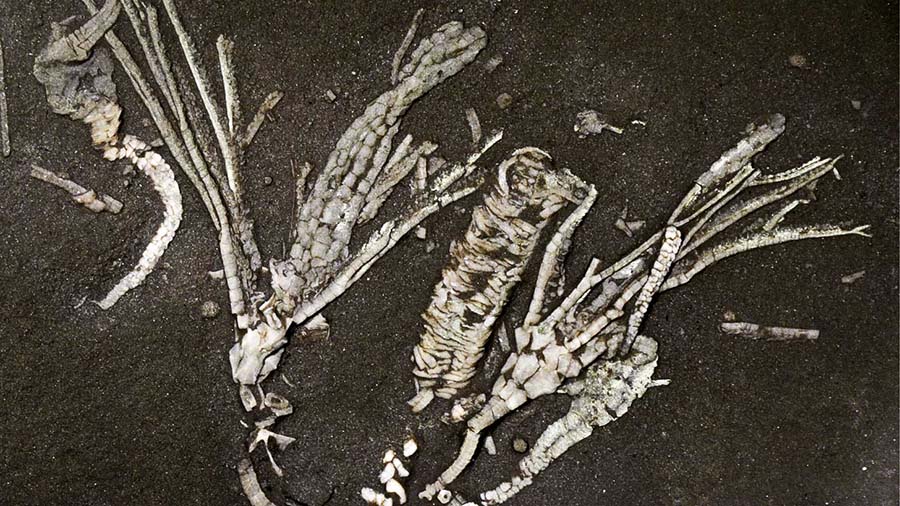
Paleontologists at the University of Oklahoma have discovered exceptionally preserved soft tissue in a 450-million-year-old crinoid fossil. Crinoids, ancient relatives of starfish that resemble stalked sea flowers, were among the first creatures to flourish in Earth's earliest coral reefs. This rare "one in a million" find provides unprecedented insight into the biology and evolution of these early complex life forms, as soft tissues are almost never preserved in the fossilization process.
Source
 bskyOU Paleontologists Discover Exceptionally Preserved Soft Tissue in 450-Million-Year-Old Crinoid Fossilou.edu
Key quotes
· 3 pulledBefore the oldest dinosaur, before animals or even plants had expanded onto dry land, ancient relatives of starfish called crinoids, resembling stalked sea flowers, were among the first creatures to flourish in Earth's earliest coral reefs over 450 million years ago.
The study of fossilized crinoids helps scientists understand how these animals evolved and offers rare insight into the origins of complex life.
However typical fossilization preserves only the hardest parts of an animal, like shells or skeletal plates, leaving soft tissues and much of their biology a mystery.
You might also wanna read
Paleontologists make 'one in a million' discovery of soft tissue preserved in 450-million-year-old fossil

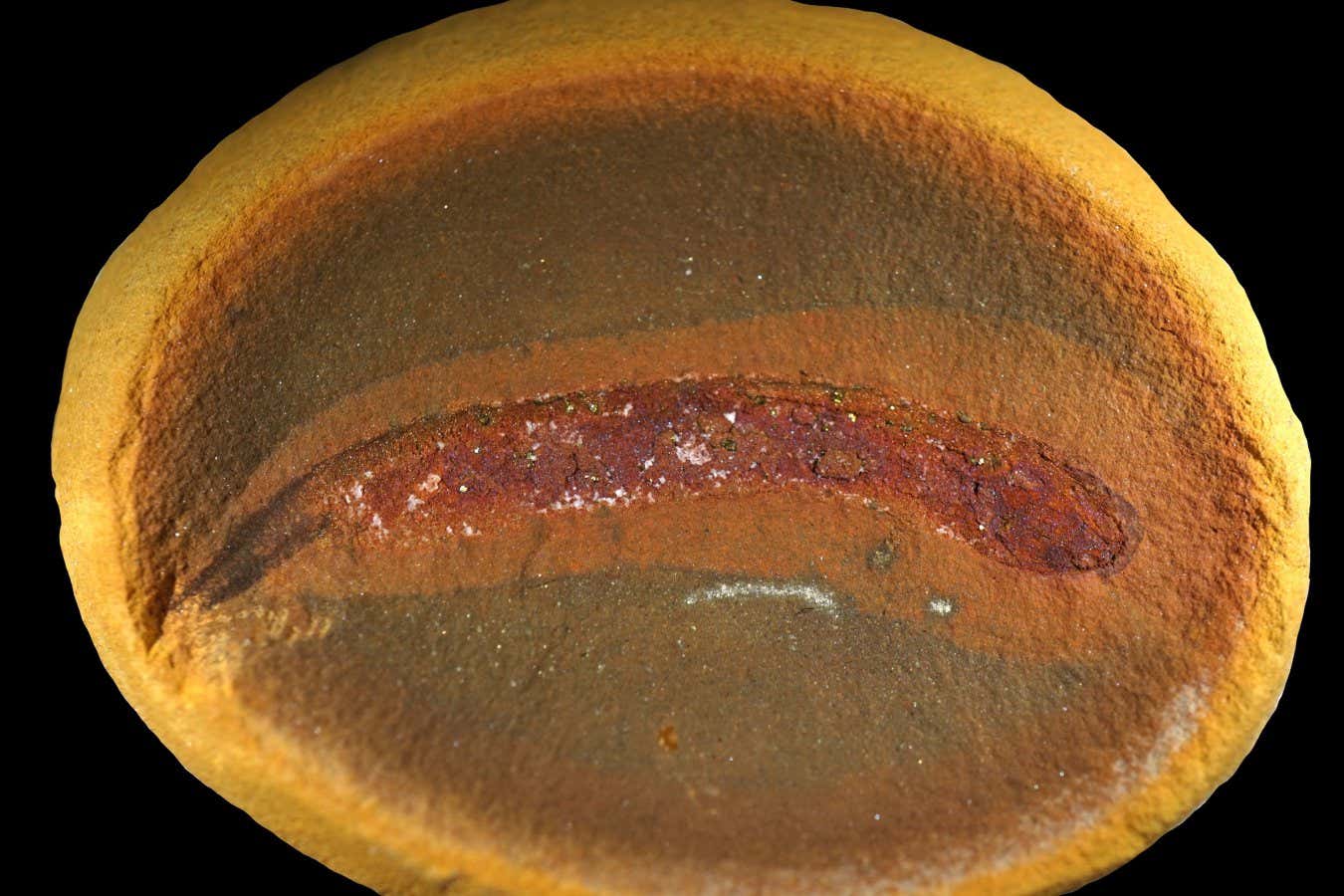
300-million-year-old fossils challenge theory that early land animals had amphibian-like life cycles
A set of exquisitely preserved 300-million-year-old fossils suggests that early four-limbed vertebrates (tetrapods) did not undergo metamorp
 newscientist.com·10d ago
A rare dinosaur fossil from Antarctica is found tucked away in a drawer
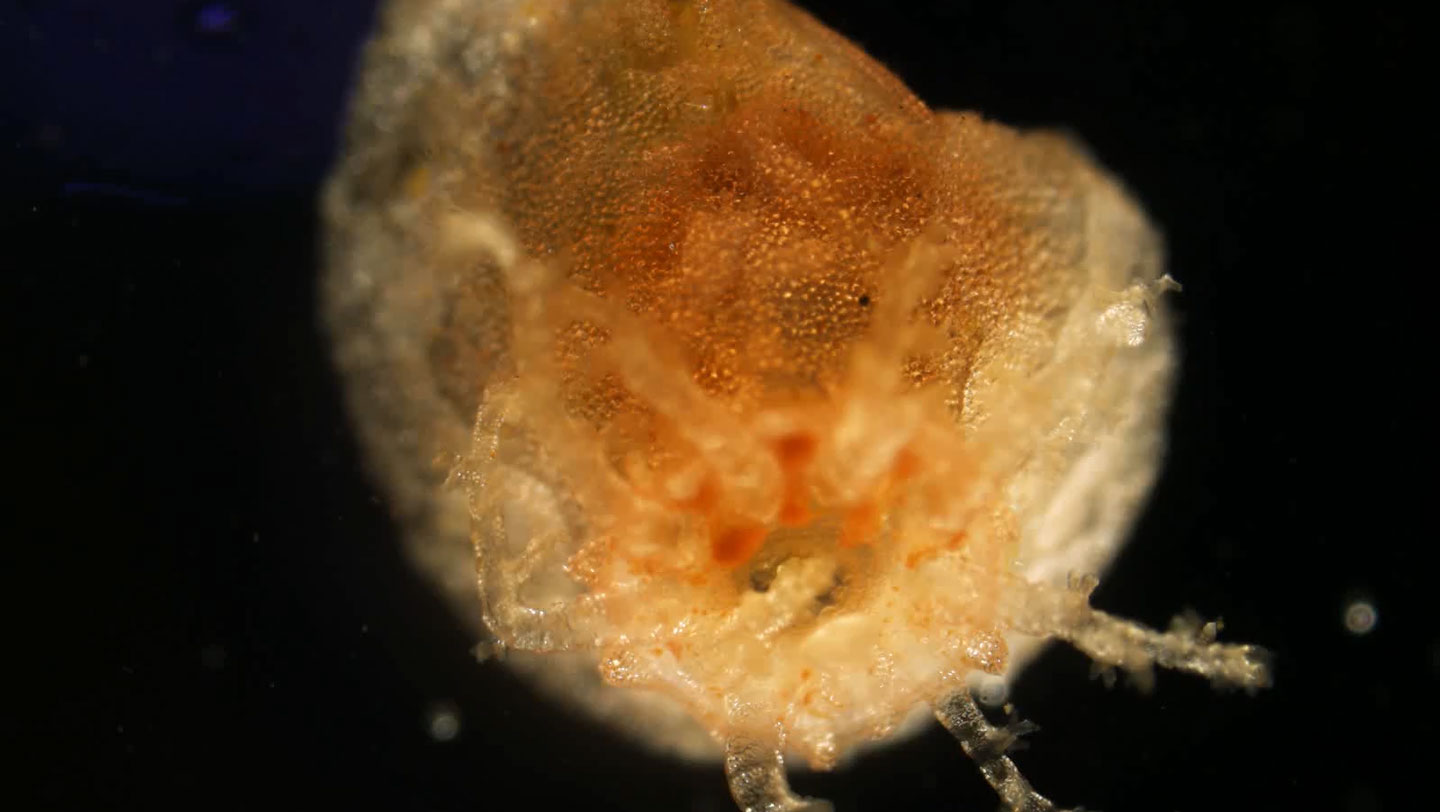
Sea cucumber detached tissues survive independently for over three years, study finds
Researchers have discovered that detached tissues from sea cucumbers, specifically from their tube feet and feeding tentacles, can survive i
 sciencenews.org·10d ago
Sea cucumber detached tissues survive independently for over three years, study finds
Researchers have discovered that detached tissues from sea cucumbers, specifically from their tube feet and feeding tentacles, can survive i
sciencenews.org·10d ago
New fossils upend catastrophist narrative that flowering plants flourished only after dinosaur extinction

Comments
Sign in to join the conversation.
No comments yet. Be the first.