
























Sea cucumber detached tissues survive independently for over three years, study finds
By
Saugat Bolakhe
Summary
Researchers have discovered that detached tissues from sea cucumbers, specifically from their tube feet and feeding tentacles, can survive independently for more than three years after being separated from the organism. This phenomenon, described as 'zombie' tissues, challenges conventional understanding of biological dependency and could have significant implications for the study of aging and tissue regeneration. The scarlet sea cucumber (a species of Holothuria) naturally sheds and regenerates these appendages, but the finding that the detached tissue remains alive independently is unprecedented and could shape future research in regenerative medicine and aging.
Source
 Twitter / XSea cucumber detached tissues survive independently for over three years, study findssciencenews.org
Key quotes
· 3 pulledThere's no such thing as Thing, the disembodied hand that loyally skitters around the fictional Addams Family in the popular television series Wednesday. But at least one species of sea cucumber has something close.
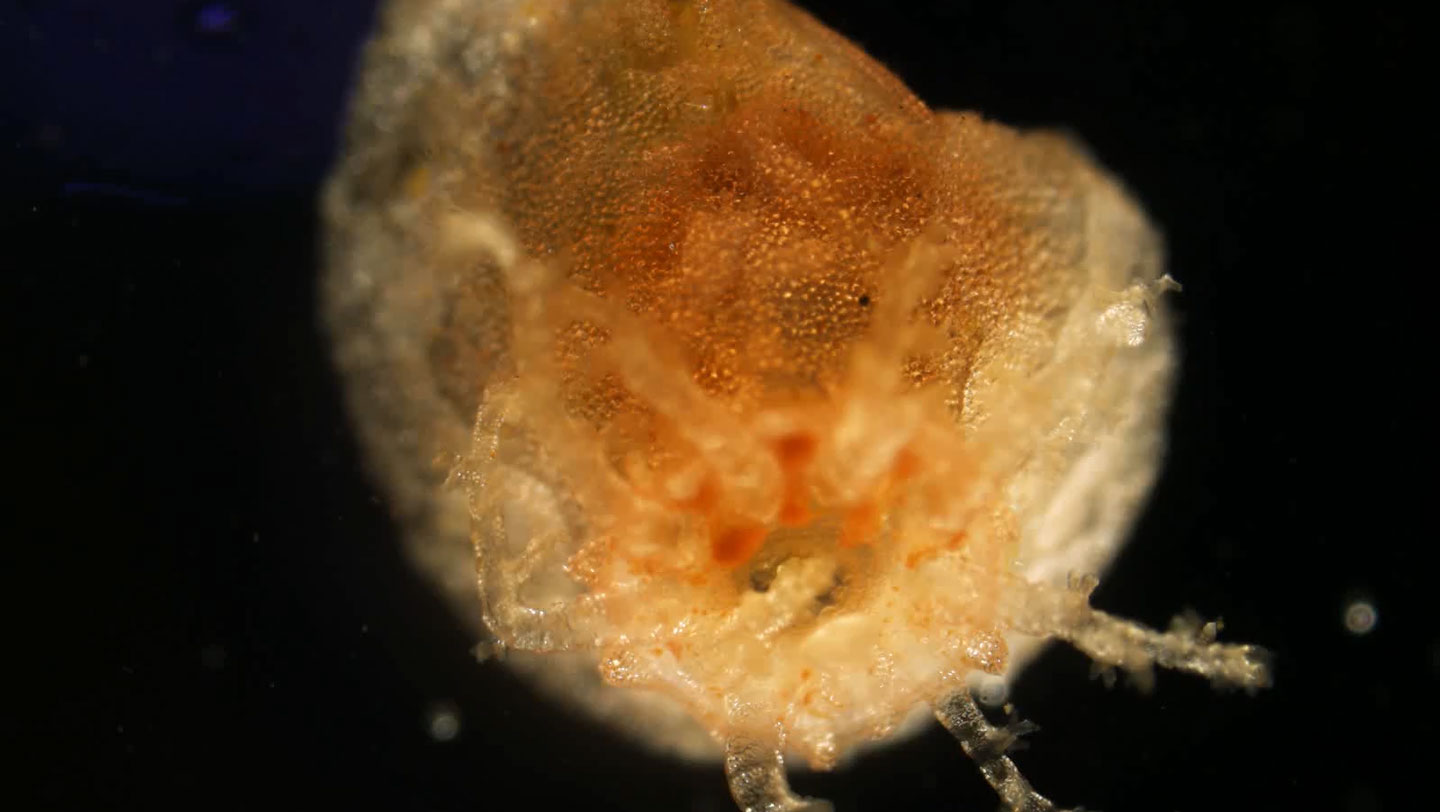
Detached tissues from the sea cucumber's tube feet and feeding tentacles survived for more than three years, a find that could shape the study of aging.
While sea cucumbers can naturally shed and regenerate these tentacles, researchers have also found that detached tentacle tissue can remain alive independently after being separated from the organism.
You might also wanna read

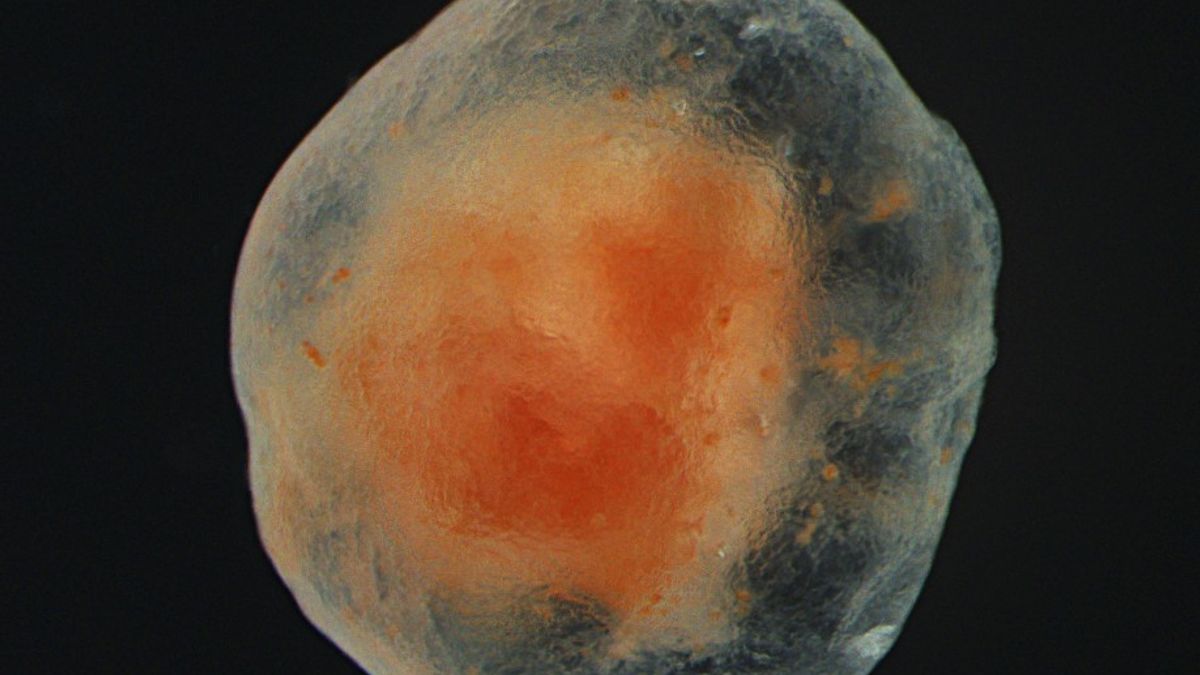
Sea Cucumber Amputated Tissue Survives and Grows for Three Years, Study Finds
Researchers discovered that amputated tissue from cold-water sea cucumbers (Psolus fabricii) remained alive and growing for over three years
 discovermagazine.com·26d ago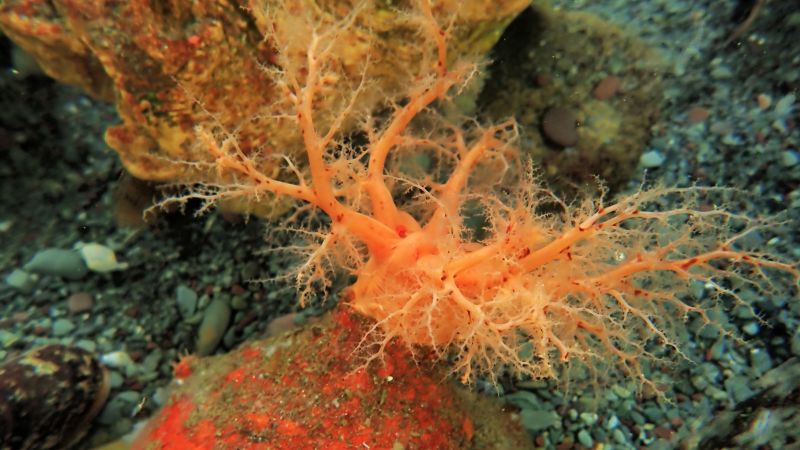
Severed sea cucumber fragments continue living and growing, surprising researchers
Researchers studying the sea cucumber Psolus fabricii from the North Atlantic made an unexpected discovery: severed fragments of the creatur
 cnn.com·25d ago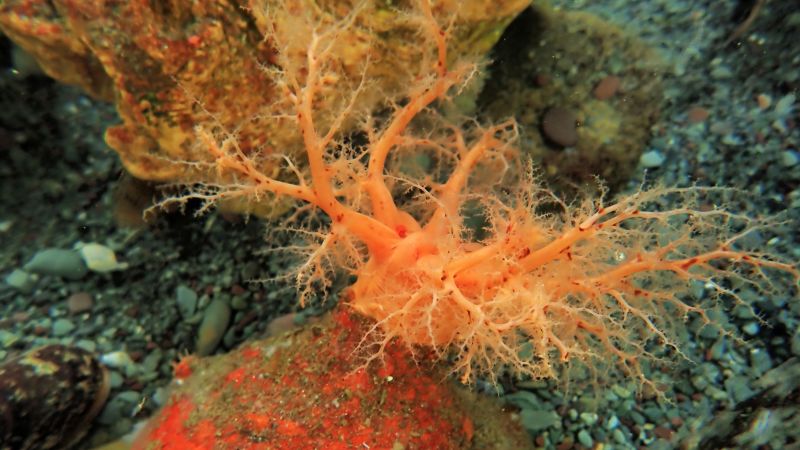
Severed sea cucumber fragments continue living and growing, surprising researchers
Researchers studying Psolus fabricii, a sea cucumber species from the North Atlantic, made an accidental discovery: severed fragments of the
cnn.com·25d ago
Oldest preserved soft tissues in crinoids reveal tube feet anatomy and ecological insights
This article reports a significant paleontological discovery: the oldest evidence of soft-tissue preservation in crinoids (sea lilies), spec
 royalsocietypublishing.org·21d ago
Deep-sea supergiant isopod survives years without food via bacterial gene transfer enabling energy metabolism reprogramming
The deep-sea supergiant isopod can survive over 5 years without food through a dual adaptive strategy: a distended, food-retentive stomach e
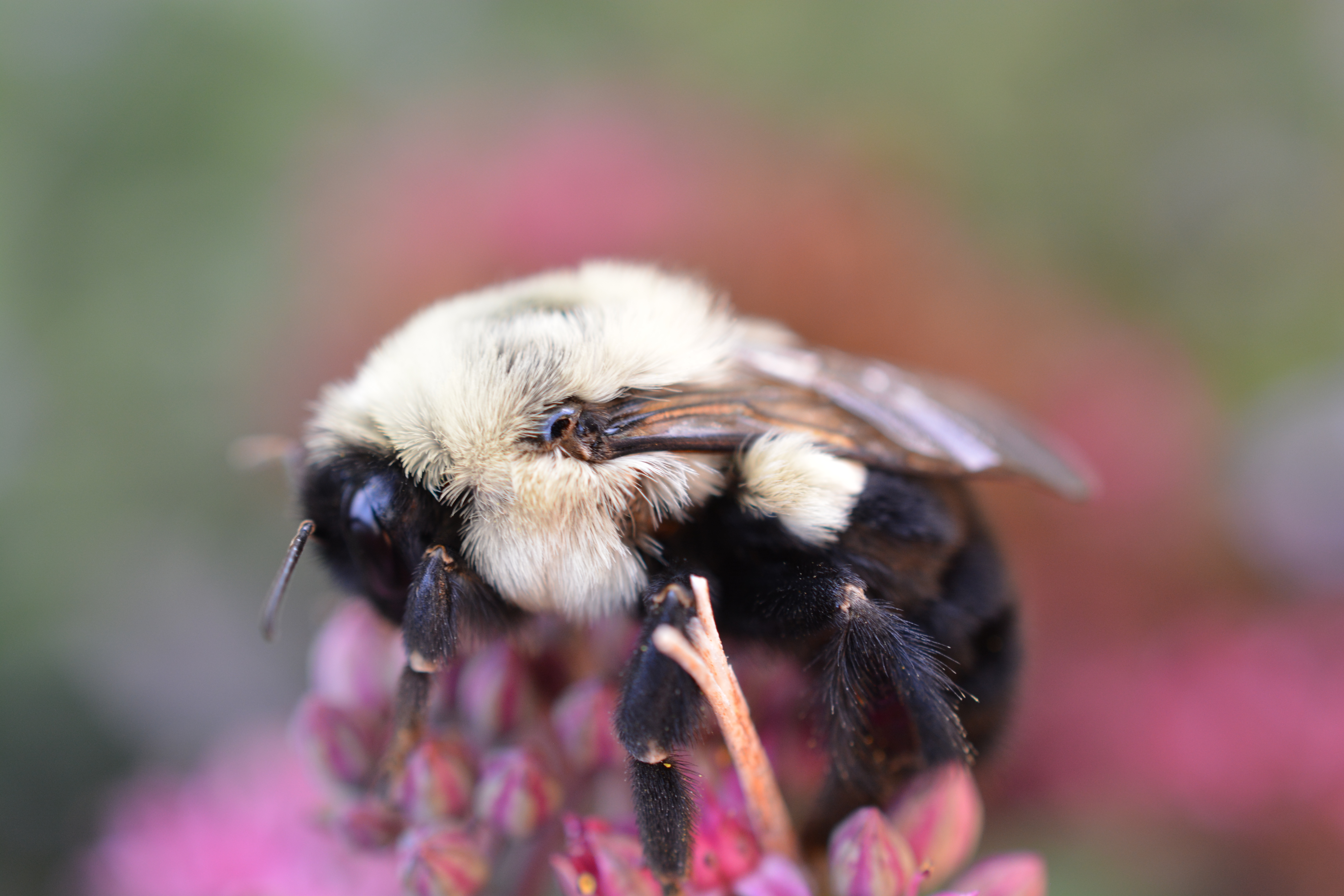
Bumblebee Queens Use Underwater Breathing and Anaerobic Metabolism to Survive Flood Conditions
Scientists discovered that common eastern bumblebee queens can survive underwater for up to a week using a combination of underwater breathi
 smithsonianmag.com·3mo ago
Comments
Sign in to join the conversation.
No comments yet. Be the first.