





















Deep-sea supergiant isopod survives years without food via bacterial gene transfer enabling energy metabolism reprogramming
By
Kahou Chu7 Send email to [email protected]
Summary
The deep-sea supergiant isopod can survive over 5 years without food through a dual adaptive strategy: a distended, food-retentive stomach enabling episodic hyperphagia and a markedly reduced basal metabolic rate. Central to this adaptation is the ancient horizontal acquisition of the microbial energy metabolism-related gene ND1 via horizontal gene transfer from a bacterial symbiont, which allows the isopod to reprogram its energy allocation for prolonged starvation survival.
Source
 bskyDeep-sea supergiant isopod survives years without food via bacterial gene transfer enabling energy metabolism reprogrammingcell.com
Key quotes
· 4 pulledThe deep-sea supergiant isopod is renowned for surviving over 5 years without food, which is a crucial adaptive trait for megafauna inhabiting extreme environments.
Morphological, physiological, and genomic comparisons of deep-sea isopods reveal a dual adaptive strategy underlying this trait: a distended, food-retentive stomach that enables episodic hyperphagia and a markedly reduced basal metabolic rate (BMR).
Central to this adaptation is the ancient horizontal acquisition of the microbial energy metabolism-related gene ND1.
By acquiring an energy metabolism-related gene via ancient horizontal transfer from a bacterial symbiont, the deep-sea supergiant isopod gains the ability to reprogram its energy allocation, enabling survival under prolonged starvation.
You might also wanna read


Sea cucumber tissue explants demonstrate sustained survival and growth for over 3 years in natural seawater
This scientific research paper reports the discovery that explanted tissues (epidermal, connective, neural, and muscle) from the sea cucumbe
 scim.ag·5h ago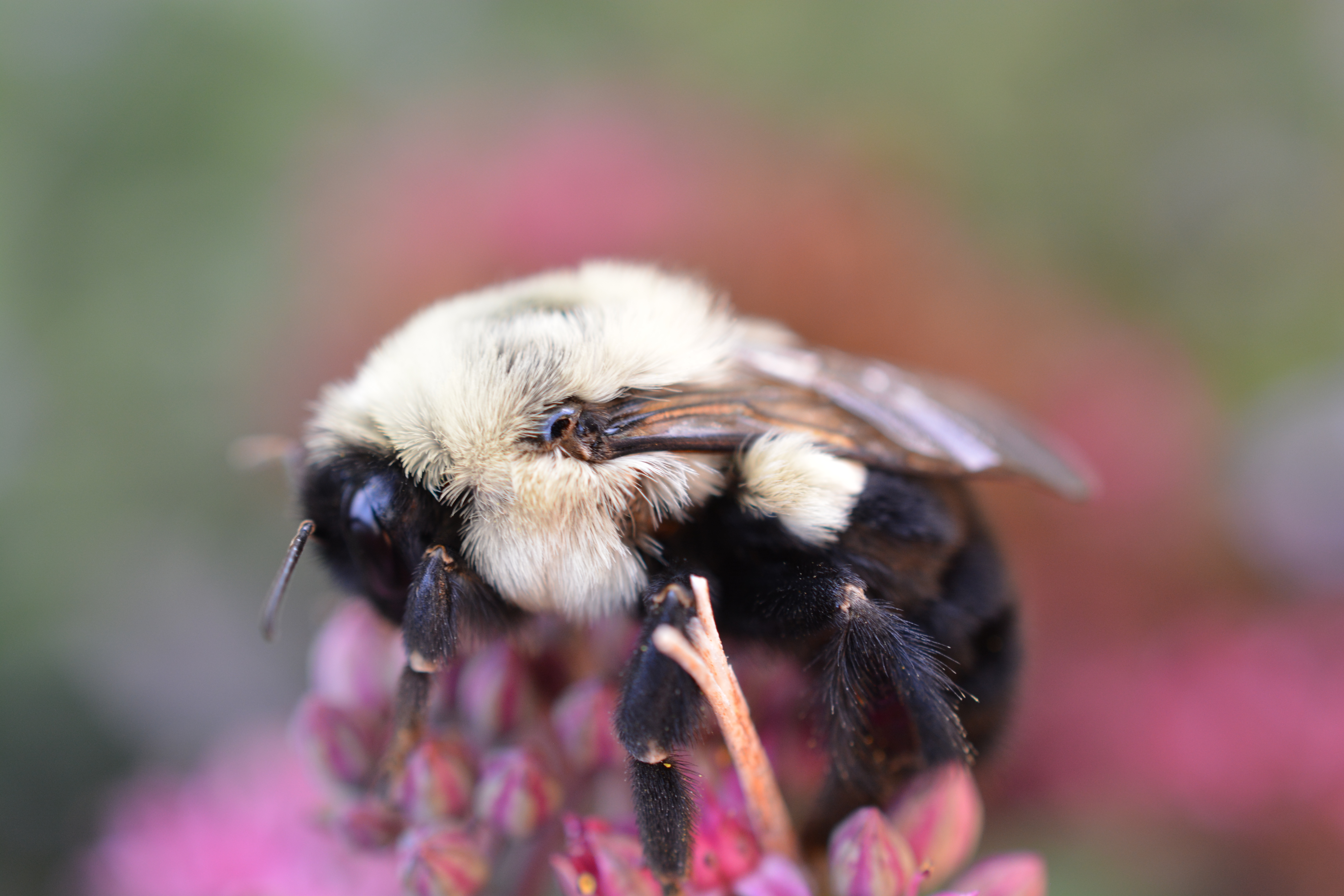
Bumblebee Queens Use Underwater Breathing and Anaerobic Metabolism to Survive Flood Conditions
Scientists discovered that common eastern bumblebee queens can survive underwater for up to a week using a combination of underwater breathi
 smithsonianmag.com·3mo ago
First methane-powered sea spiders found crawling on the ocean floor
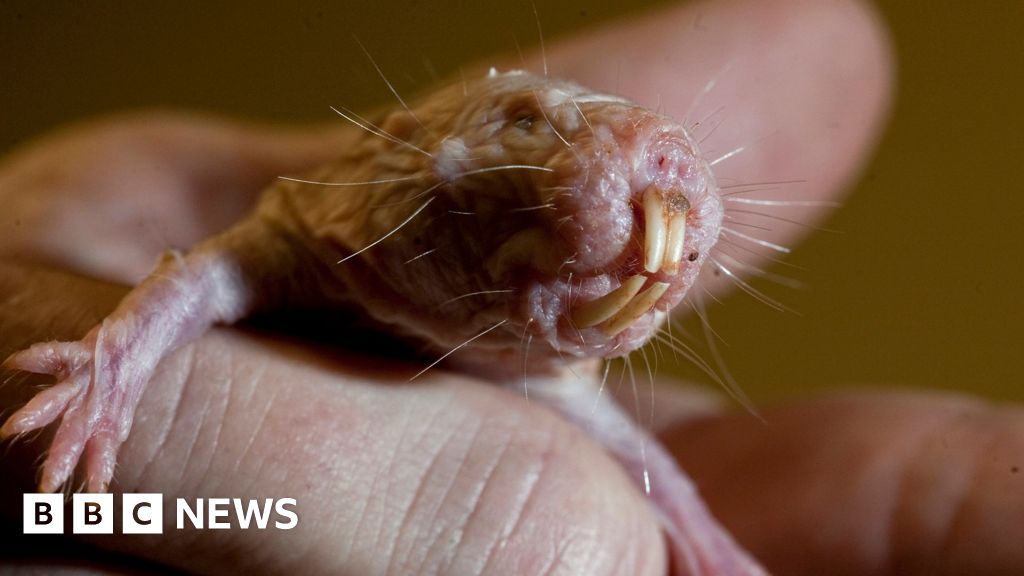
Naked Mole Rats' DNA Repair Mechanisms May Hold Key to Longevity
A study from Tonji University in Shanghai reveals that naked mole rats' exceptional longevity—living up to 40 years compared to 3 years for
 bbc.com·8mo ago
Geothermal Amoeba Sets New Upper Temperature Limit for Eukaryotes at 63°C
Researchers have discovered a novel geothermal amoeba, Incendiamoeba cascadensis, that divides at 63°C (145.4°F), establishing a new record
 biorxiv.org·6mo ago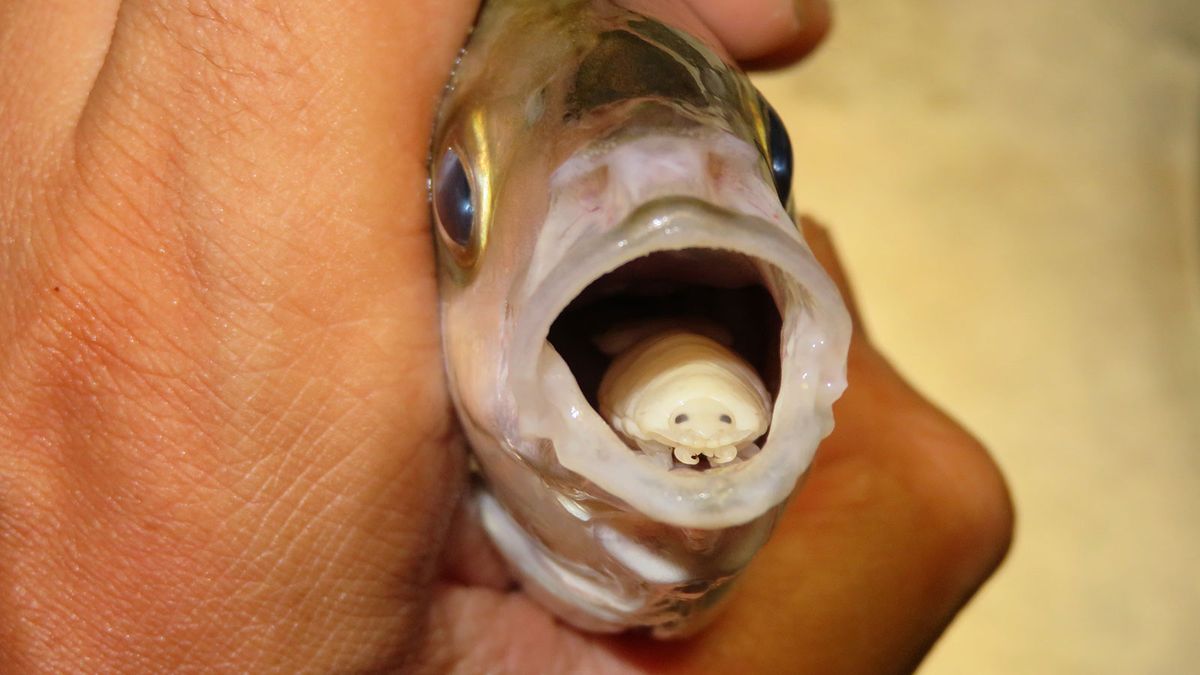
The Tongue-Eating Parasite Cymothoa exigua: How It Replaces Fish Tongues
The article explores the fascinating and gruesome parasitic relationship between Cymothoa exigua, a tongue-eating louse, and its fish hosts.
 animals.howstuffworks.com·6mo ago