





















The Tongue-Eating Parasite Cymothoa exigua: How It Replaces Fish Tongues
By
thunderbong

An everything bagel for the brain. Substantive, layered, well-seasoned.
Summary
The article explores the fascinating and gruesome parasitic relationship between Cymothoa exigua, a tongue-eating louse, and its fish hosts. This parasite enters a fish's mouth through the gills, attaches to the tongue, and gradually consumes it while taking over the tongue's function. The article details the parasite's life cycle, its impact on fish hosts, and the scientific understanding of this unique parasitic adaptation. It also discusses how the parasite affects different fish species and the broader ecological implications of such specialized parasites.
Key quotes
· 4 pulledCymothoa exigua will make you feel very glad you're not a fish.
This white trevally has had its tongue eaten by a parasitic louse, Cymothoa exigua.
Parasite got your tongue?
The parasite enters through the gills, attaches to the tongue, and gradually consumes it while taking over the tongue's function.
You might also wanna read

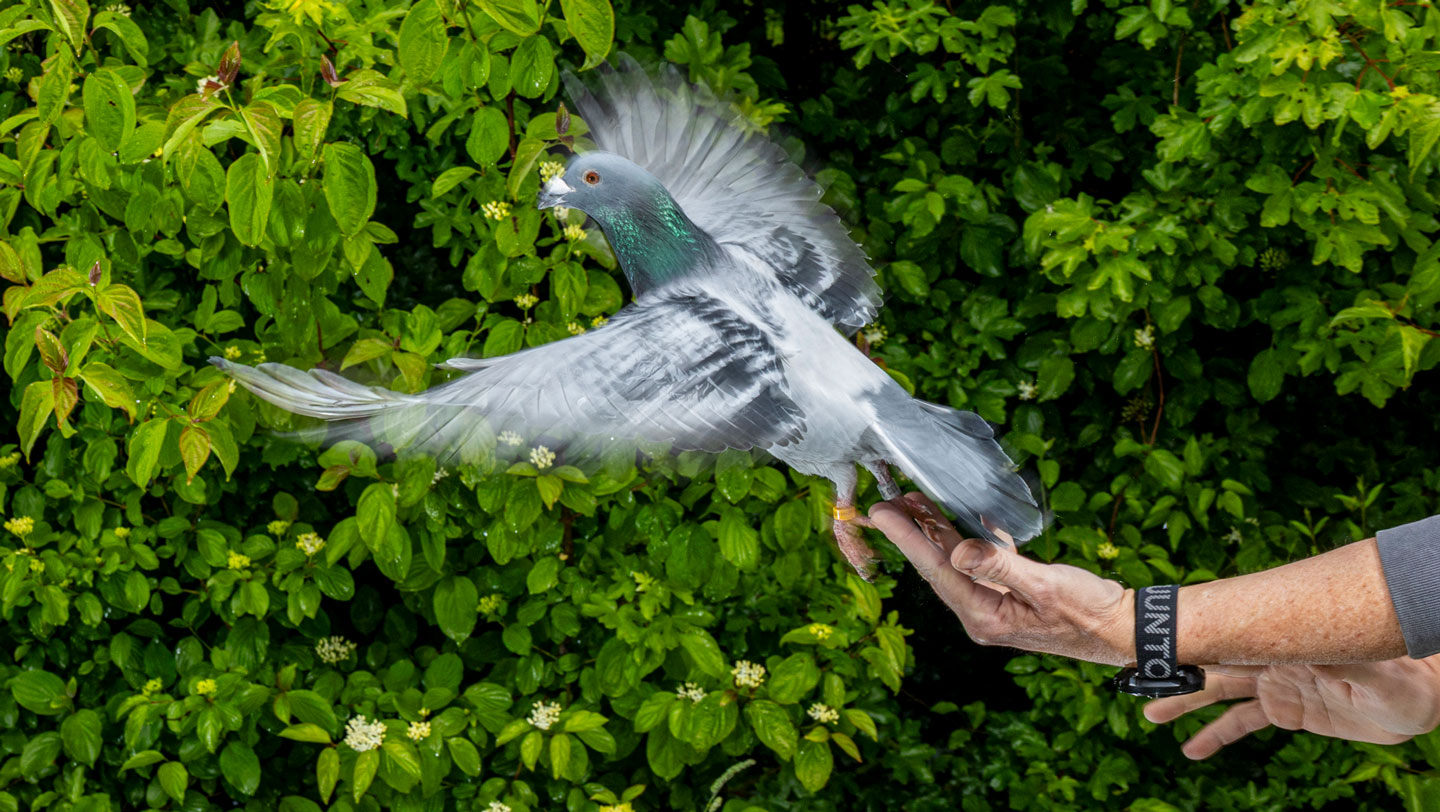
Study suggests homing pigeons may navigate using iron-laden liver immune cells as a magnetic compass
Researchers at the Max Planck Institute of Animal Behavior tested whether homing pigeons use iron-laden immune cells in their livers as a ma
 sciencenews.org·14h ago
Lynn Margulis's endosymbiotic theory: The paper rejected by 15 journals that revolutionized biology
The article tells the story of Lynn Margulis, a young biologist whose groundbreaking 1967 paper on endosymbiotic theory — proposing that com
 spacedaily.com·16h ago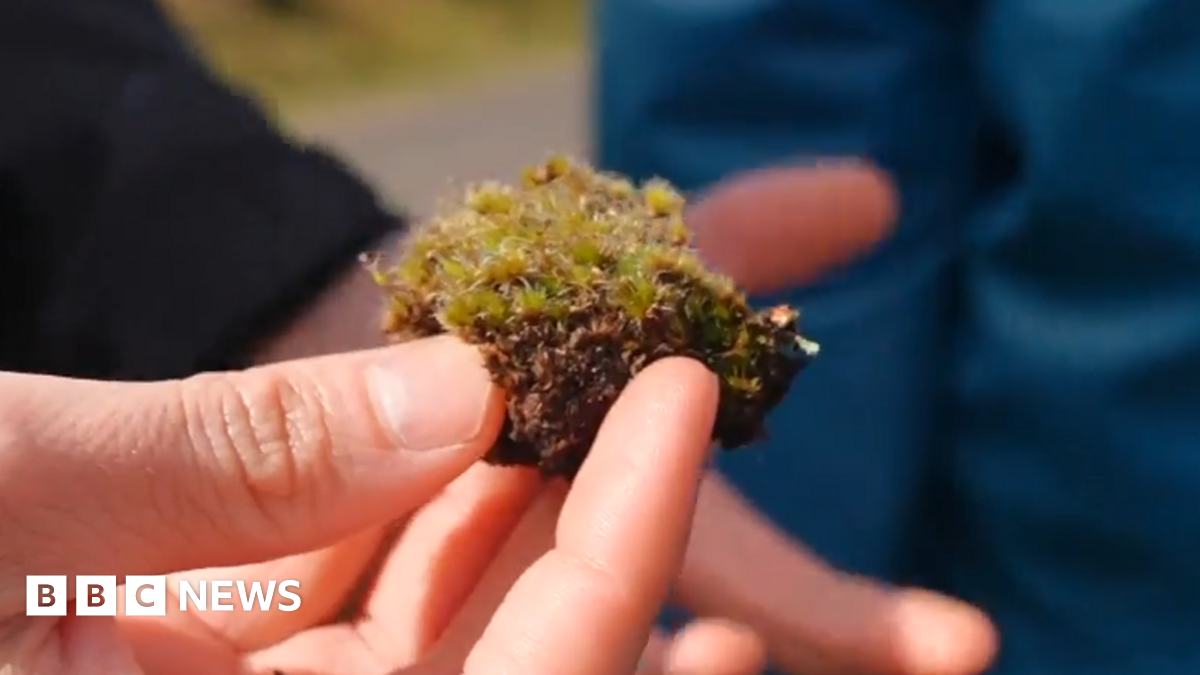
Newly discovered fungus could help control invasive moss threatening UK habitats
A newly discovered killer fungus species shows promise for controlling the invasive heath-star moss that threatens UK native habitats like t
 bbc.co.uk·1d ago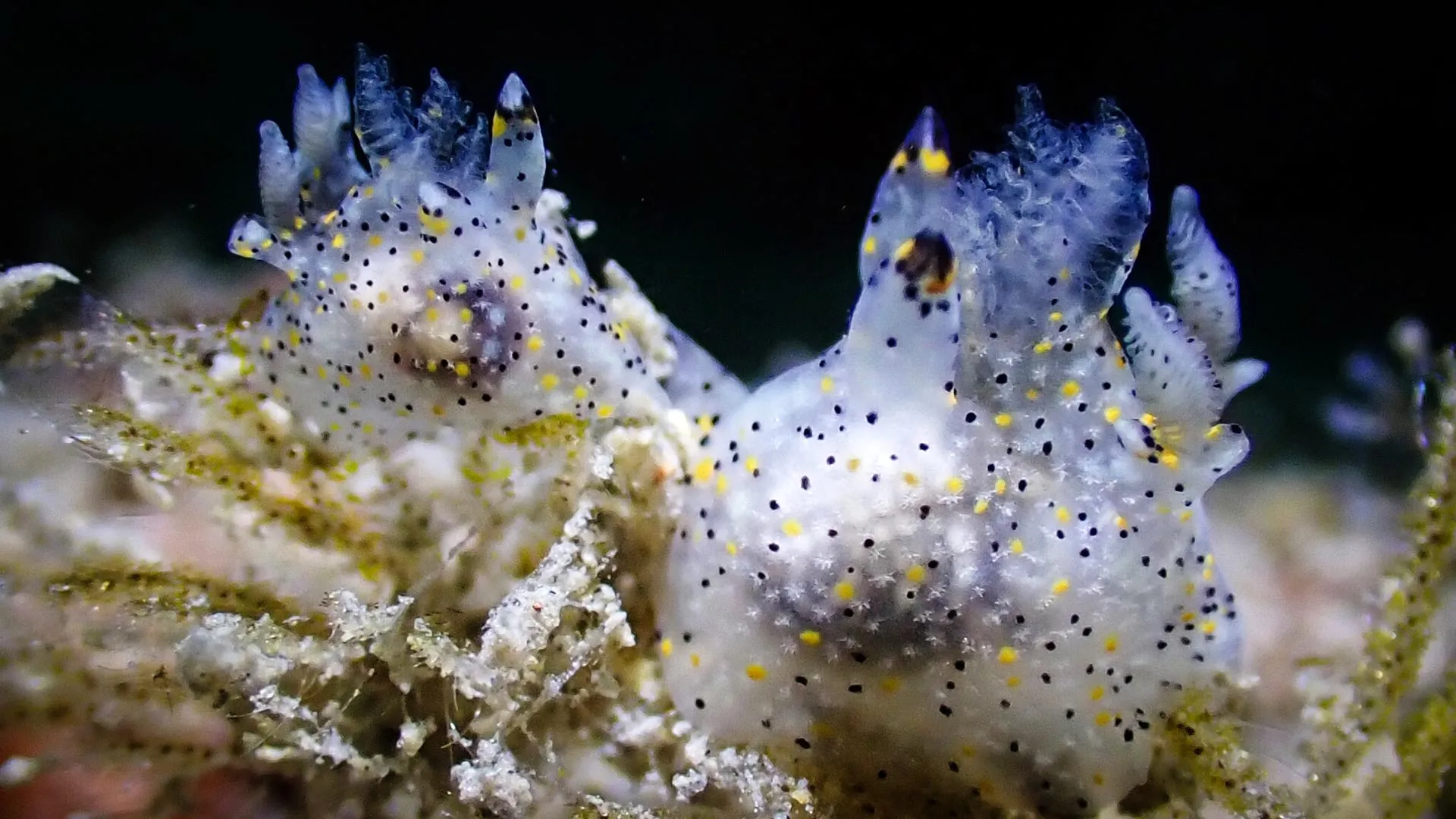
New sesame-sized sea slug species discovered off Taiwan's coast
A new species of sea slug, Thecacera sesama, has been discovered off the coast of Keelung in northern Taiwan. Smaller than a grain of rice,
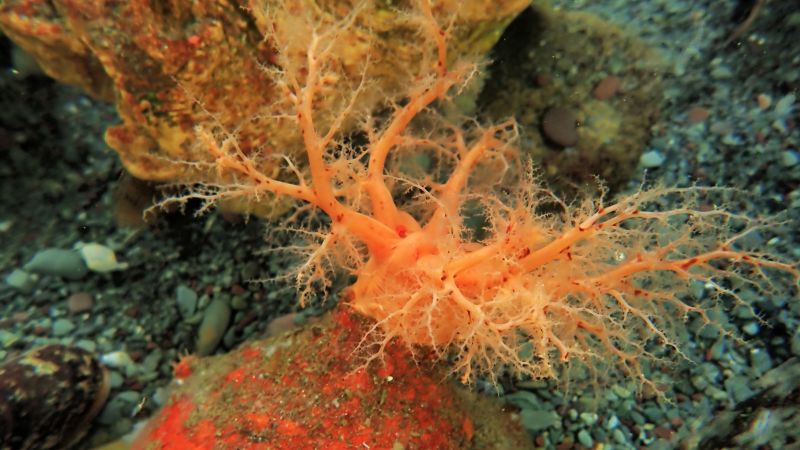
Severed sea cucumber fragments continue living and growing, surprising researchers
Researchers studying the sea cucumber Psolus fabricii from the North Atlantic made an unexpected discovery: severed fragments of the creatur
 cnn.com·2d ago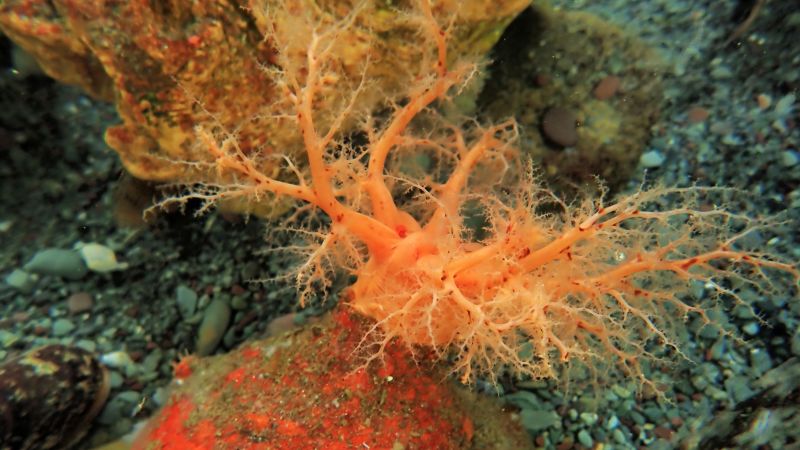
Severed sea cucumber fragments continue living and growing, surprising researchers
Researchers studying Psolus fabricii, a sea cucumber species from the North Atlantic, made an accidental discovery: severed fragments of the
cnn.com·2d ago