





















Lynn Margulis's endosymbiotic theory: The paper rejected by 15 journals that revolutionized biology
By
By Space Daily Editorial Team · Editorial process

Pure flour-power. Hearty enough to carry you through lunch.
Summary
The article tells the story of Lynn Margulis, a young biologist whose groundbreaking 1967 paper on endosymbiotic theory — proposing that complex cells evolved through symbiotic mergers of simpler organisms — was rejected by 15 journals before finally being published. Despite initial ridicule, her theory that mitochondria and chloroplasts were once free-living bacteria that became incorporated into host cells is now a cornerstone of modern biology. The article explores how revolutionary scientific ideas often face fierce resistance before becoming accepted, and how Margulis's persistence reshaped our understanding of evolution and the very nature of life on Earth.
Key quotes
· 3 pulledThe idea was too speculative. The evidence was insufficient. The hypothesis was, according to some reviewers, simply too strange to be taken seriously.
She worked through a list of journals — the most prestigious, the most relevant, the most likely — and over the course of several years, she collected fifteen rejections.
The paper that explained why every living thing on Earth exists was rejected by 15 journals before anyone took it seriously — and the idea it contained is stranger than most science fiction
You might also wanna read

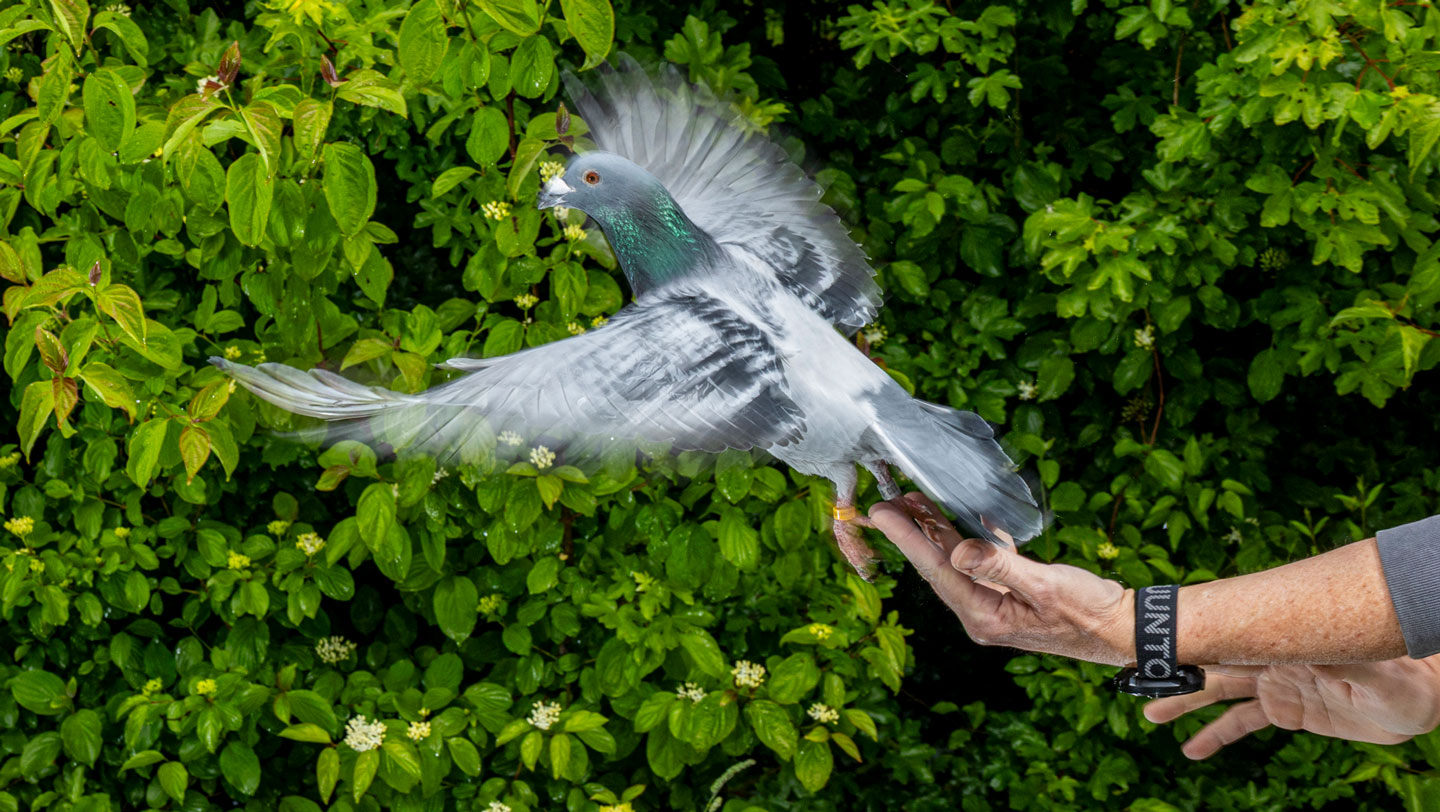
Study suggests homing pigeons may navigate using iron-laden liver immune cells as a magnetic compass
Researchers at the Max Planck Institute of Animal Behavior tested whether homing pigeons use iron-laden immune cells in their livers as a ma
 sciencenews.org·16h ago
Distributed Presence: A Metaphysical Interpretation of Quantum Probability
This paper presents a metaphysical interpretation of quantum probability called Distributed Presence (DP), arguing that quantum probabilitie
 doi.org·21h ago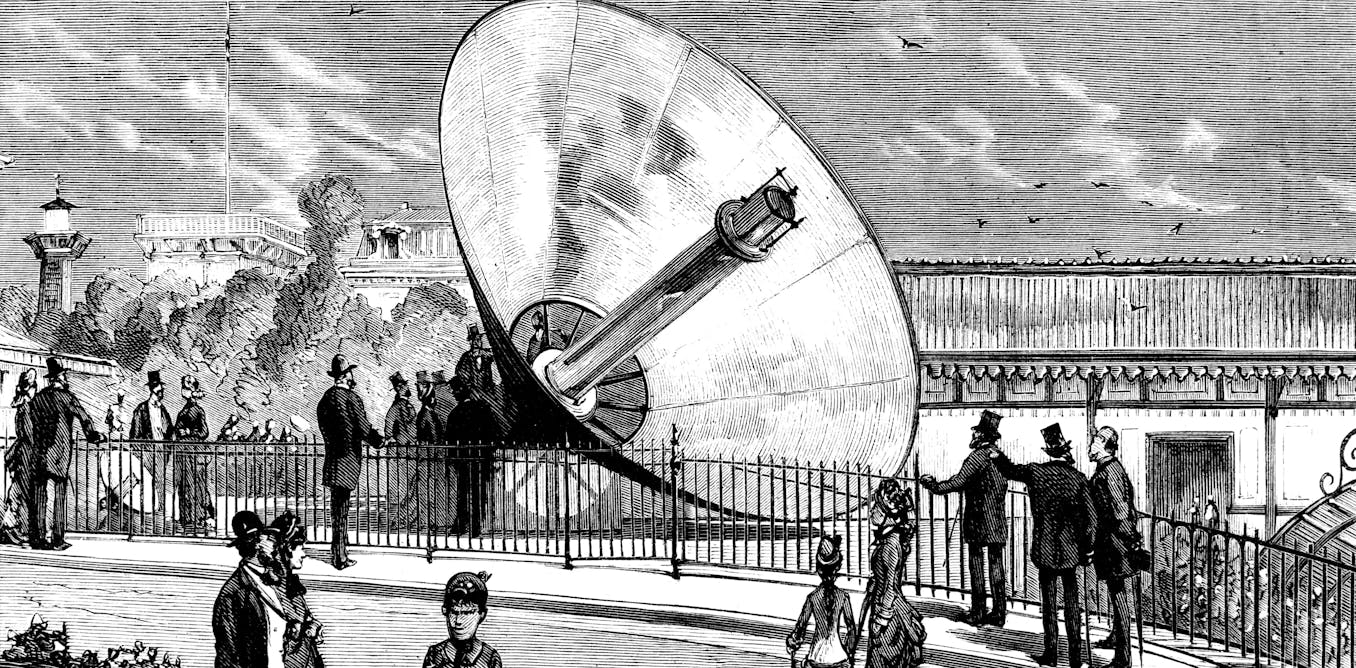
William Adams: The Bombay bureaucrat whose solar energy vision was crushed by colonial conservatism
This article tells the story of William Adams, a British bureaucrat in colonial Bombay who, in the 1870s, became a passionate advocate for s
 theconversation.com·1d ago
Newly discovered fungus could help control invasive moss threatening UK habitats
A newly discovered killer fungus species shows promise for controlling the invasive heath-star moss that threatens UK native habitats like t
 bbc.co.uk·1d ago
Exploring Cauchy horizons: The black hole boundary where physics breaks down and causality reverses
This article explores the concept of Cauchy horizons inside certain types of black holes. It explains how at this theoretical boundary, the
 newscientist.com·2d ago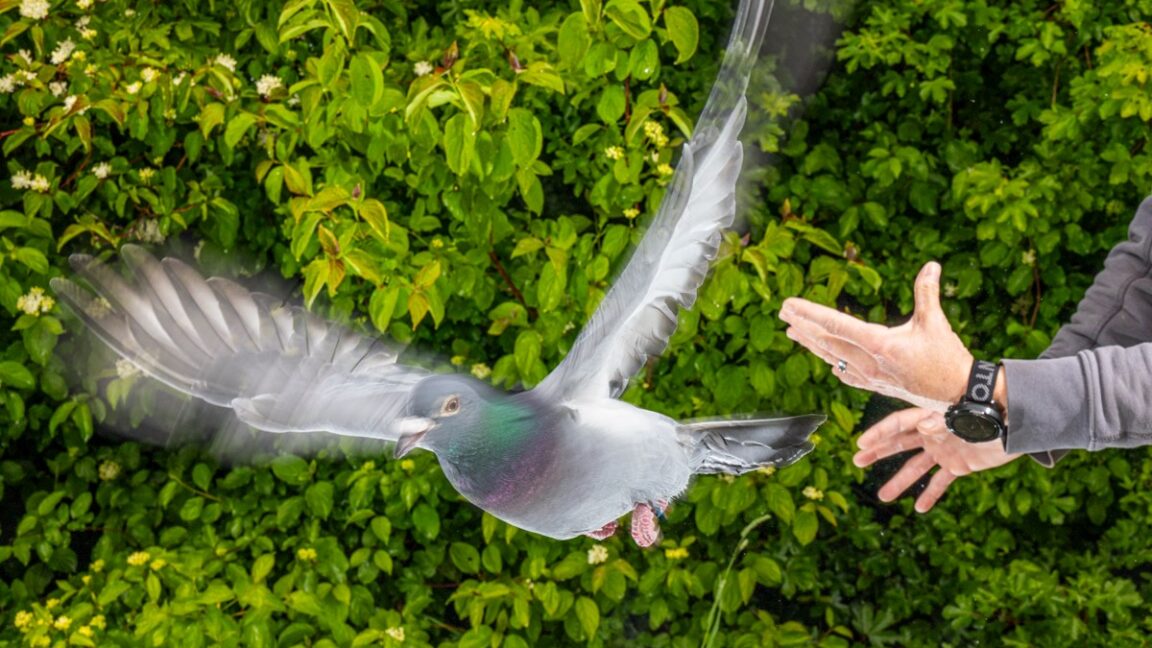
Pigeons use iron-rich liver immune cells as magnetic compass for navigation
Research reveals that pigeons use iron-rich immune cells in their liver as magnetic sensors for navigation, complementing their sun-based or
 arstechnica.com·3d ago