





















Sea cucumber tissue explants demonstrate sustained survival and growth for over 3 years in natural seawater
By
Annie Mercier
Summary
This scientific research paper reports the discovery that explanted tissues (epidermal, connective, neural, and muscle) from the sea cucumber Psolus fabricii can survive, heal, and continue growing in natural seawater without any supplementation for over 3 years. These tissue explants, termed LiPfe (living immortal P. fabricii explants), displayed immune activity, cell cycling, and tissue reorganization, challenging the biological paradigm that lost and discarded tissues have a terminal fate. The study demonstrates a form of natural tissue immortality in a deuterostome species.
Source

 Twitter / XSea cucumber tissue explants demonstrate sustained survival and growth for over 3 years in natural seawaterscim.ag
Key quotes
· 4 pulledSenescence and immortality are central biological paradigms.
While regenerative capabilities in Deuterostomia are known, the fate of lost and discarded tissues has been presumed terminal.
Here, we demonstrate that explanted epidermal, connective, neural, and muscle tissue from the sea cucumber Psolus fabricii... healed and continued to grow in natural, nonaxenic seawater without supplementation for more than 3 years.
These explants, termed LiPfe (living immortal P. fabricii explants) displayed immune activity, cell cycling, tissue reorganization.
You might also wanna read

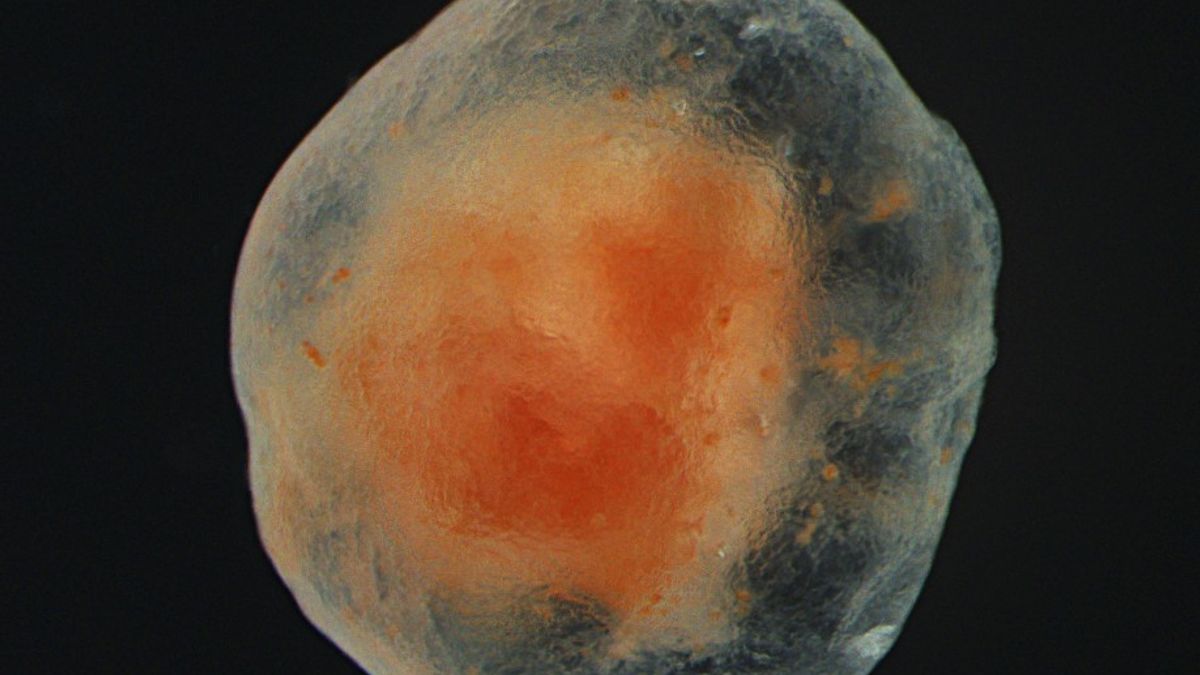
Sea Cucumber Amputated Tissue Survives and Grows for Three Years, Study Finds
Researchers discovered that amputated tissue from cold-water sea cucumbers (Psolus fabricii) remained alive and growing for over three years
 discovermagazine.com·23d ago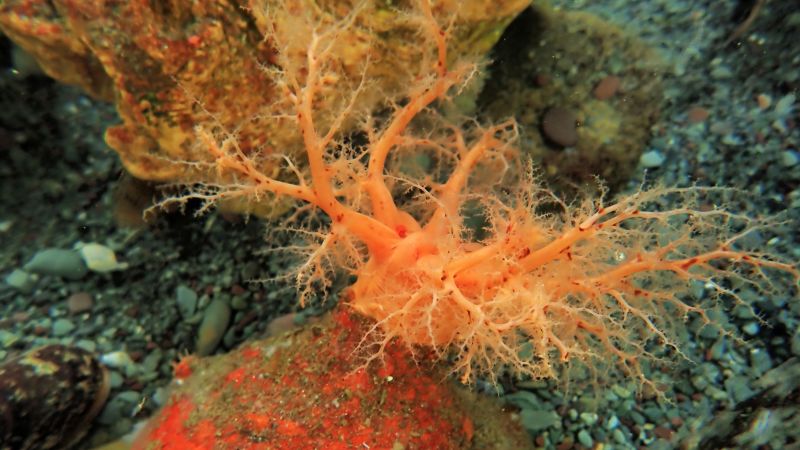
Severed sea cucumber fragments continue living and growing, surprising researchers
Researchers studying Psolus fabricii, a sea cucumber species from the North Atlantic, made an accidental discovery: severed fragments of the
 cnn.com·22d ago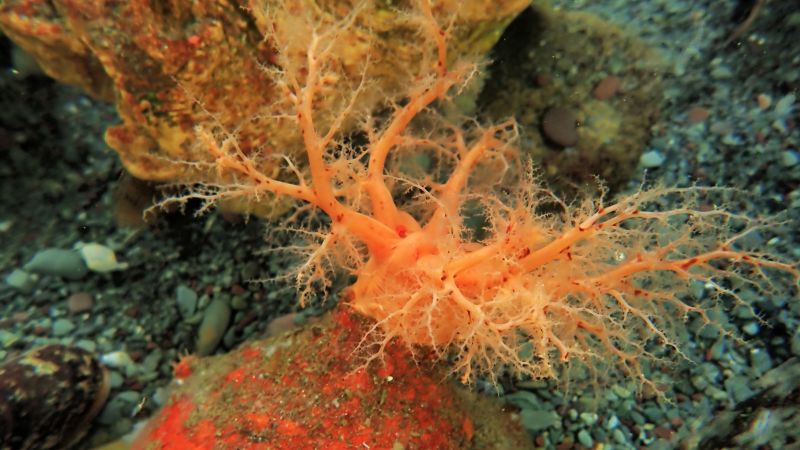
Severed sea cucumber fragments continue living and growing, surprising researchers
Researchers studying the sea cucumber Psolus fabricii from the North Atlantic made an unexpected discovery: severed fragments of the creatur
cnn.com·21d ago
Stanford Researchers Use Electrical Stimulation on Sea Squirts to Mimic Anti-Aging Effects of Exercise
Stanford researchers have demonstrated an electricity-based technique on sea squirts that appears to reverse aspects of aging. The method in
 bgr.com·4d ago
Oldest preserved soft tissues in crinoids reveal tube feet anatomy and ecological insights
This article reports a significant paleontological discovery: the oldest evidence of soft-tissue preservation in crinoids (sea lilies), spec
 royalsocietypublishing.org·17d ago
Deep-sea supergiant isopod survives years without food via bacterial gene transfer enabling energy metabolism reprogramming
The deep-sea supergiant isopod can survive over 5 years without food through a dual adaptive strategy: a distended, food-retentive stomach e