
























Geothermal Amoeba Sets New Upper Temperature Limit for Eukaryotes at 63°C
The study of temperature limits has transformed our knowledge of the boundaries of life but has been largely focused on bacteria and archaea. We isolated a novel geothermal amoeba, Incendiamoeba…
Read the full articleYou might also wanna read

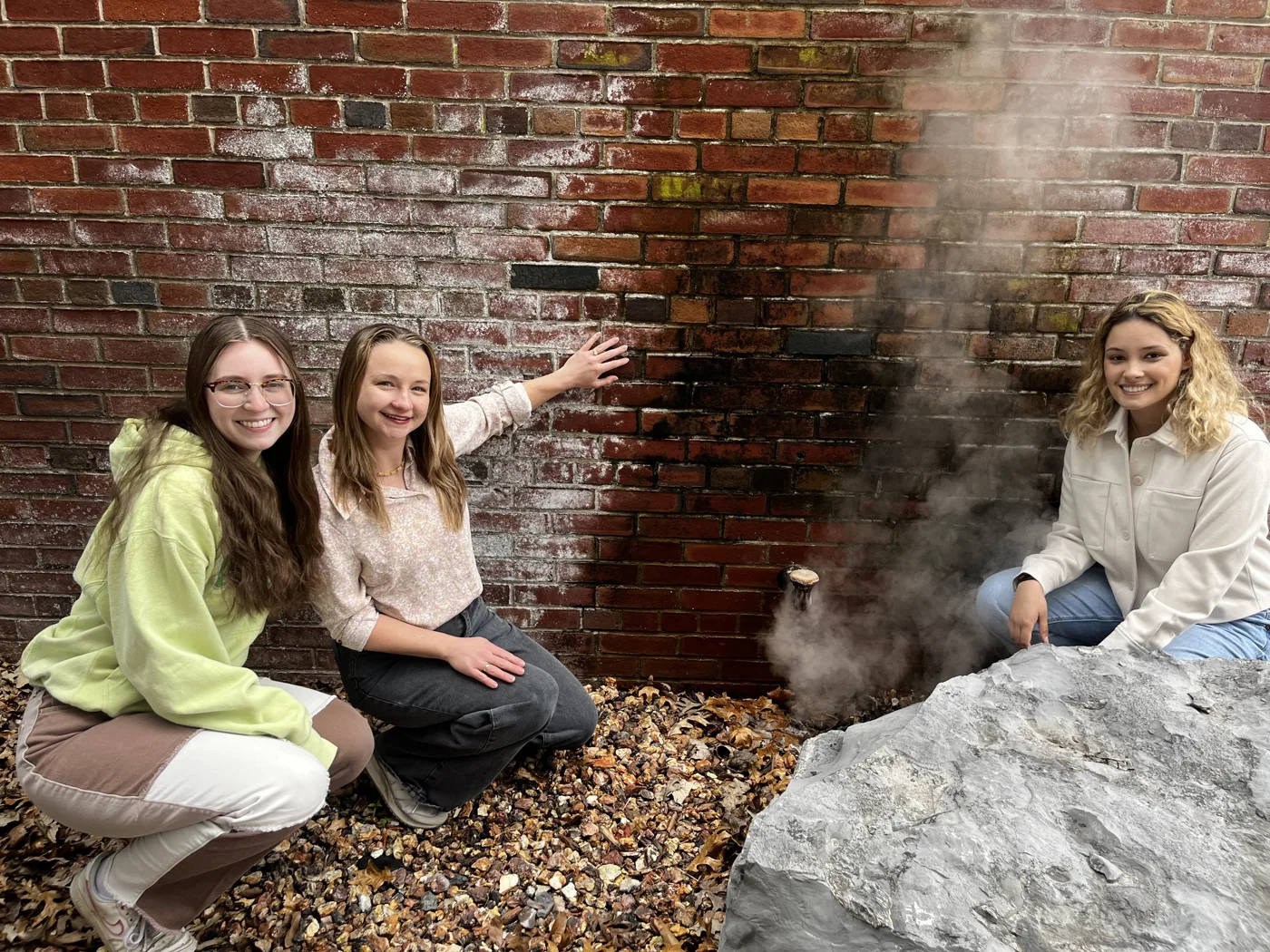
SUNY ESF Researchers Discover Heat-Loving Amoeba in Campus Steam Vent, Enabling Undergraduate Research
Syracuse University researchers found a heat-loving amoeba in a local steam vent, providing an opportunity for undergraduates to develop an
 artsandsciences.syracuse.edu·7d ago
Moderate warming rewires one-third of microalga's genes, study finds
Researchers have demonstrated for the first time that the microalga Chlamydomonas reinhardtii alters the activity of about one-third of its

Japanese researchers develop quantum nanosensor to measure temperature inside living cells
New class of biocompatible quantum nanosensor unveiled in Japan

Elevated temperature fatally disrupts nuclear divisions in the early Drosophila embryo
Drosophila embryos exposed to high temps disrupt nuclear divisions during syncytial blastoderm, pre-gastrulation phases, showing embryonic v
Thermal responses and Symbiodiniaceae shuffling in a Red Sea foraminifer holobiont
Symbiont-bearing benthic foraminifera, like corals, rely on endosymbionts for growth and nutrition, and experience bleaching under heat stre

Japanese researchers develop quantum nanosensor to measure temperature inside living cells
New class of biocompatible quantum nanosensor unveiled in Japan
Comments
Sign in to join the conversation.
No comments yet. Be the first.