
























Rare 309-million-year-old fossils suggest early tetrapods developed without tadpole phase
Source
 PhysRare 309-million-year-old fossils suggest early tetrapods developed without tadpole phasephys.org
You might also wanna read

300-million-year-old fossils challenge theory that early land animals had amphibian-like life cycles
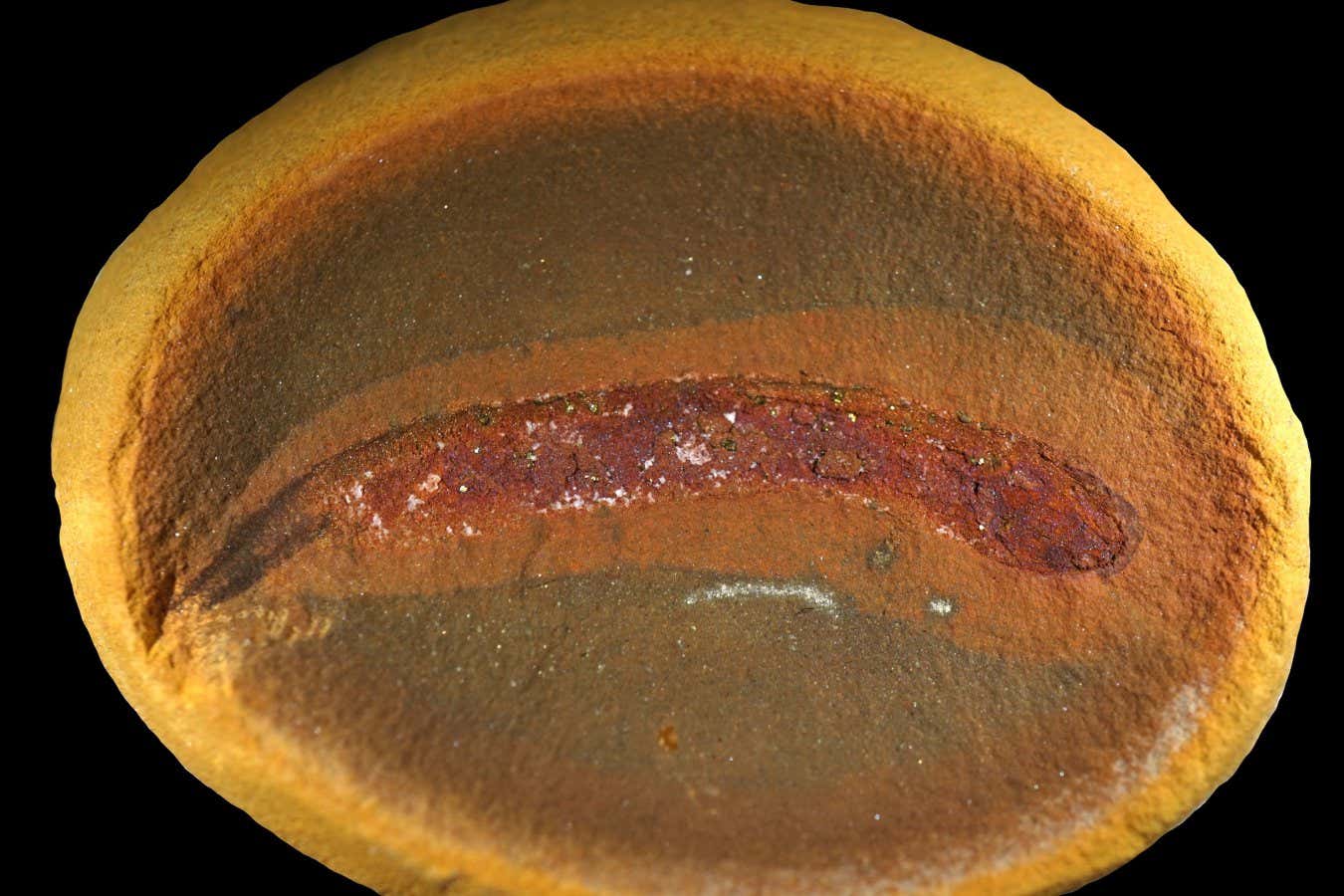
A set of exquisitely preserved 300-million-year-old fossils suggests that early four-limbed vertebrates (tetrapods) did not undergo metamorp
 newscientist.com·10d ago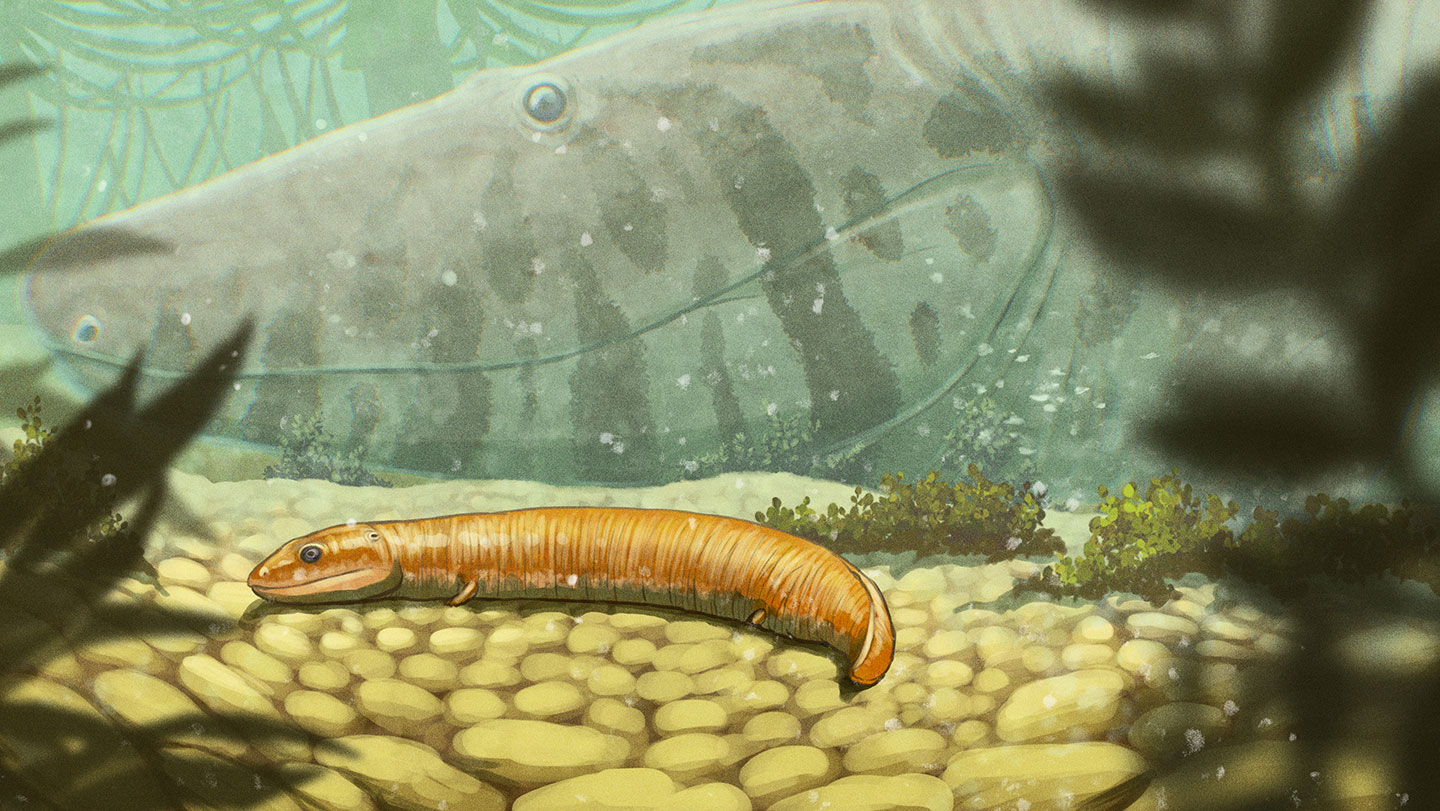
Fossil study challenges assumption that early land vertebrates underwent amphibian-like metamorphosis
New fossil evidence challenges the long-held assumption that early land vertebrates underwent amphibian-like metamorphosis. Researchers stud
 sciencenews.org·14d ago
Fossil study challenges assumption that early land vertebrates underwent amphibian-like metamorphosis
New fossil evidence challenges the long-held assumption that early land vertebrates underwent amphibian-like metamorphosis. Researchers stud
sciencenews.org·14d ago
Study finds stem tetrapods developed directly without larval stage across fin-to-limb transition
A study by Pardo et al. examining stem tetrapod fossils from the Mazon Creek Lagerstatte challenges the long-held assumption that early tetr
 scim.ag·13d ago
Study finds stem tetrapods developed directly without larval stage across fin-to-limb transition
A study by Pardo et al. examining stem tetrapod fossils from the Mazon Creek Lagerstatte challenges the long-held assumption that early tetr
scim.ag·13d ago
OU paleontologists discover rare soft tissue preserved in 450 million year old fossil
The emergence and diversification of dog morphology
Study suggests vertebrate ancestors had complex brains 500 million years ago, lamprey research shows
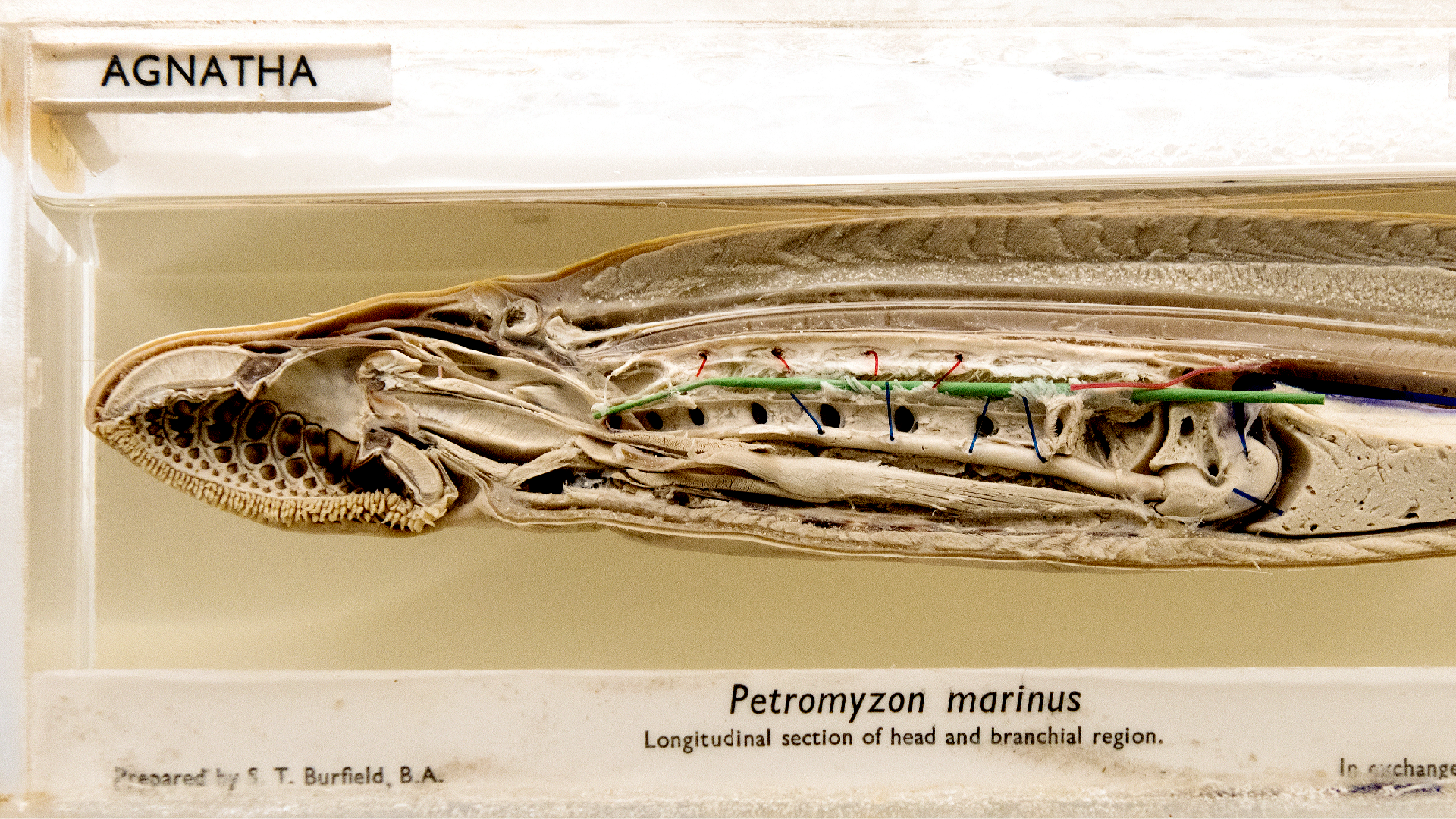
A Chinese-led study featured on the cover of Science suggests that the common ancestor of all vertebrates, including humans, may have posses
 news.cgtn.com·16d ago
Comments
Sign in to join the conversation.
No comments yet. Be the first.