
























Study confirms NANOG gene is essential for early human embryo development
By
Jess Cockerill
Summary
A study confirms that the NANOG gene is essential for early human embryo development, building on previous findings in mice. The gene plays a critical role in forming the first cells that go on to develop into the embryo itself. Without NANOG, human embryos cannot form properly, highlighting a fundamental genetic mechanism in the earliest moments of life.
Source
 bskyStudy confirms NANOG gene is essential for early human embryo developmentsciencealert.com
Key quotes
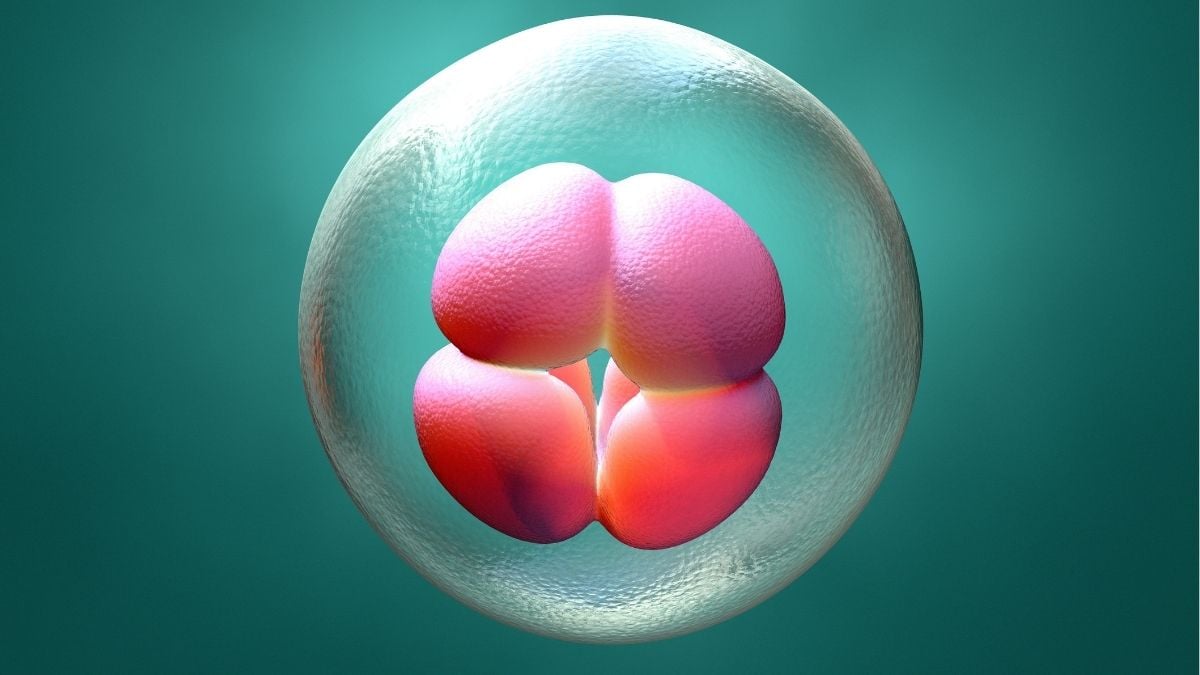
· 3 pulledThe first moments of life are a delicate yet busy time, when one cell becomes two, then four, and a flurry of genetic cues starts orchestrating their growth.
Within this process, a gene called NANOG is essential for the early development of embryos.
We already knew that was true of mice – but now, we can really say the same goes for humans.
You might also wanna read

IRCM researchers discover genetic brake proteins that control limb development in mouse embryos
Medical professor Marie Kmita and her team at the IRCM have discovered how "genetic brakes" — specific proteins that switch off certain gene

Paracetamol Disrupts Early Embryonic Development Through Cell Cycle Inhibition
This scientific research article investigates the effects of paracetamol (acetaminophen) on early embryogenesis, specifically examining whet
 academic.oup.com·10mo ago
DNA Sugar Gel Shows Promise for Hair Regrowth in Mouse Study
In 2024, researchers at the University of Sheffield and COMSATS University in Pakistan discovered that deoxyribose, a naturally occurring su
sciencealert.com·6d ago
Cambridge Scientists Create Lab-Grown Embryo Models That Produce Blood Cells
University of Cambridge researchers have successfully created three-dimensional embryo-like structures called 'hematoids' from human stem ce
 cam.ac.uk·8mo ago
Life Biosciences Conducts First Gene Therapy Trial to Reverse Cellular Aging in Patient with Glaucoma
Life Biosciences, a Boston-based biotech startup, has conducted the world's first gene therapy on a living patient aimed at reversing cellul
 popularmechanics.com·2h ago
Study Reveals How Extrachromosomal DNA Drives Oncogene Evolution in Glioblastoma Tumors
This scientific study investigates how extrachromosomal DNA (ecDNA) drives oncogene spatial heterogeneity and evolution in glioblastoma. Res
 aacrjournals.org·9mo ago
Comments
Sign in to join the conversation.
No comments yet. Be the first.