
























Study Reveals How Extrachromosomal DNA Drives Oncogene Evolution in Glioblastoma Tumors
AbstractOncogenes amplified on extrachromosomal DNA (ecDNA) contribute to treatment resistance and poor survival across cancers. Currently, the spatiotemporal evolution of ecDNA remains poorly…
Read the full articleYou might also wanna read


Extrachromosomal DNA drives cancer hallmarks through genomic chaos and accelerated evolution
When oncogenic genetic elements untether from chromosomes and no longer follow Mendelian inheritance, genomic chaos and accelerated evolutio
Cancer Evolution Study Reveals Biology of Glioma Progression
A form of glioma, a type of brain cancer, tends to progress towards greater malignancy due to an increasing tendency of the glioma cells to

Analyzing Epistasis Through Mutation Patterns in ERK-Pathway Oncogenes
Click on the article title to read more.
 onlinelibrary.wiley.com·24d ago
Cancer-associated somatic variants in microglia drive inflammation and proliferation in Alzheimer's disease
Cancer-associated somatic variants are enriched in the brain immune cells of Alzheimer’s disease (AD) patients, driving them toward inflamma
Study finds cancer-associated somatic mutations in brain immune cells linked to Alzheimer's neuroinflammation
Cancer-associated somatic variants are enriched in the brain immune cells of Alzheimer’s disease (AD) patients, driving them toward inflamma
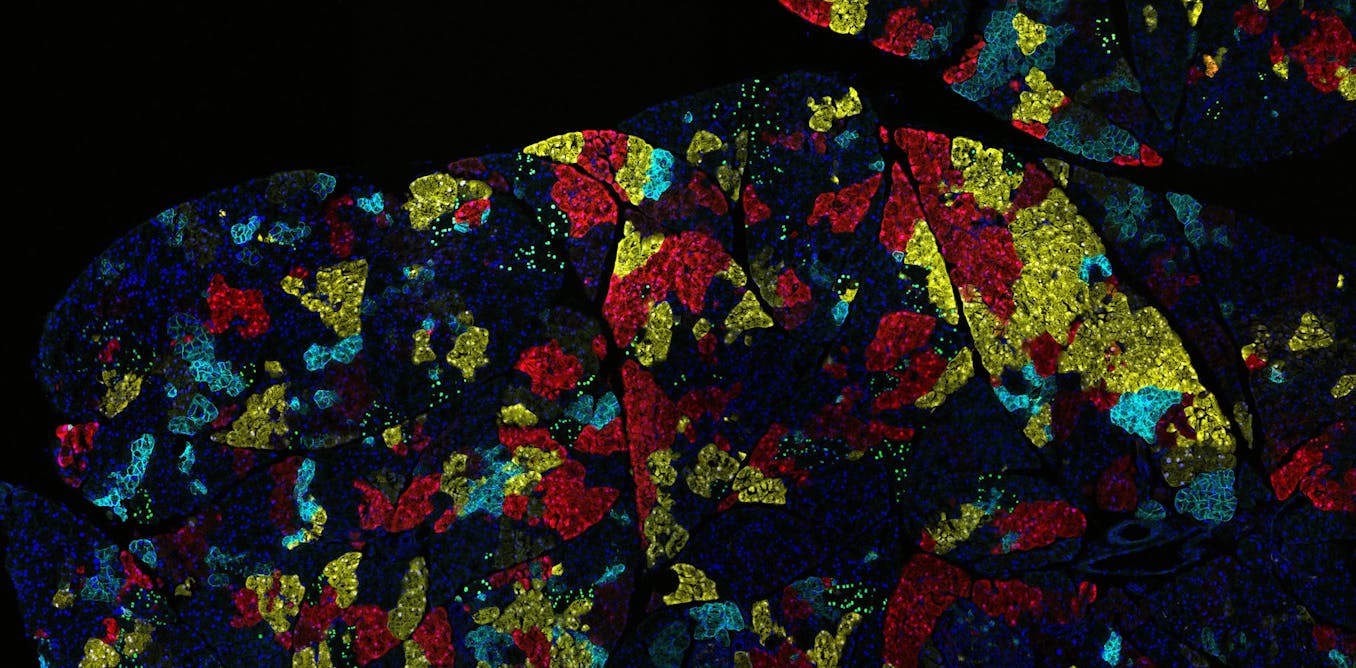
Why every cancer is unique: Evolution, drug resistance, and the need for personalized treatments
There is no one-size-fits-all approach to treating cancer. Understanding how cancer cells evolve could help researchers develop more effecti
 theconversation.com·29d ago
Comments
Sign in to join the conversation.
No comments yet. Be the first.