





















IRCM researchers discover genetic brake proteins that control limb development in mouse embryos
By
UdeMnouvelles

The bagel they save for the regulars. Don't skim, savour.
Summary
Medical professor Marie Kmita and her team at the IRCM have discovered how "genetic brakes" — specific proteins that switch off certain genes at the right time — allow other genes to take over and complete limb development in mouse embryos. This finding sheds light on the precise molecular mechanisms that shape embryonic limbs, with potential implications for understanding congenital malformations and regenerative medicine.
Key quotes
· 3 pulledThis discovery reveals how certain proteins act as genetic brakes, switching off the right genes at the right time to allow others to take over and complete development.
Understanding these mechanisms could have profound implications for how we think about congenital limb malformations.
The precision of this genetic timing is remarkable — it's like a carefully orchestrated symphony where each gene knows exactly when to play and when to fall silent.
You might also wanna read

Novel Ambn-IRESCre mouse line enables targeted ameloblast-specific gene silencing for enamel research
This article describes the development and validation of a novel Ambn-IRESCre mouse line for studying ameloblast-specific gene functions dur
 frontiersin.org·2h ago
KAIST researchers discover molecular switch that can reverse cancer cell transformation at transition point
KAIST Professor Kwang-Hyun Cho's research team has discovered a molecular switch in the genetic network that can reverse cancerous transform
 ecancer.org·7d ago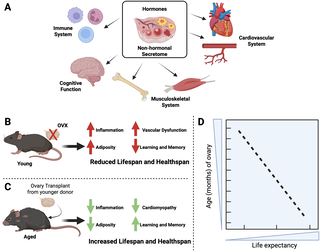
Ovarian biology as a blueprint for rejuvenation: Exploring germline immortality and somatic longevity
This essay reframes ovarian biology as a model for rejuvenation rather than solely as a site of reproductive decline. It explores how oocyte
 plos.io·6d ago
From Plant Pathogens to Genome Editors: The Biotechnology Journey of TALEs and TALENs
This article reviews how TALEs (transcription activator-like effectors), originally discovered as bacterial proteins that Xanthomonas pathog
 doi.org·2d ago
Predictive modeling of signal-responsive cis-regulatory elements in human red blood cell precursors
This article presents a scientific study on predictive modeling of signal-responsive cis-regulatory elements in human red blood cell precurs
 doi.org·4d ago