





















From Plant Pathogens to Genome Editors: The Biotechnology Journey of TALEs and TALENs
By
Jens Boch

A reheated bagel, served cold.
Summary
This article reviews how TALEs (transcription activator-like effectors), originally discovered as bacterial proteins that Xanthomonas pathogens use to infect plants, have been repurposed into powerful biotechnology tools. The modular DNA-binding domain of TALEs enables easy adaptation to target specific DNA sequences, leading to the development of TALE-nucleases (TALENs) that started the genome-editing revolution, and more recently TALE base editors for editing chloroplast and mitochondrial genomes. The article covers Xanthomonas genomics, natural TALE biology, and current applications in genome editing and synthetic biology.
Key quotes
· 3 pulledTALEs (transcription activator-like effectors) are an excellent example of how studying pathogen–host interactions can lead to significant biotechnology inventions.
The key feature of TALEs is their modular DNA-binding domain, which allows a simple evolutionary adaptation to novel DNA sequences as well as simple cloning of designer TALEs with desired DNA-binding specificity.
TALE-nucleases started the genome-editing revolution, and TALE base editors are the latest tools to efficiently edit chloroplast and mitochondrial genomes.
You might also wanna read

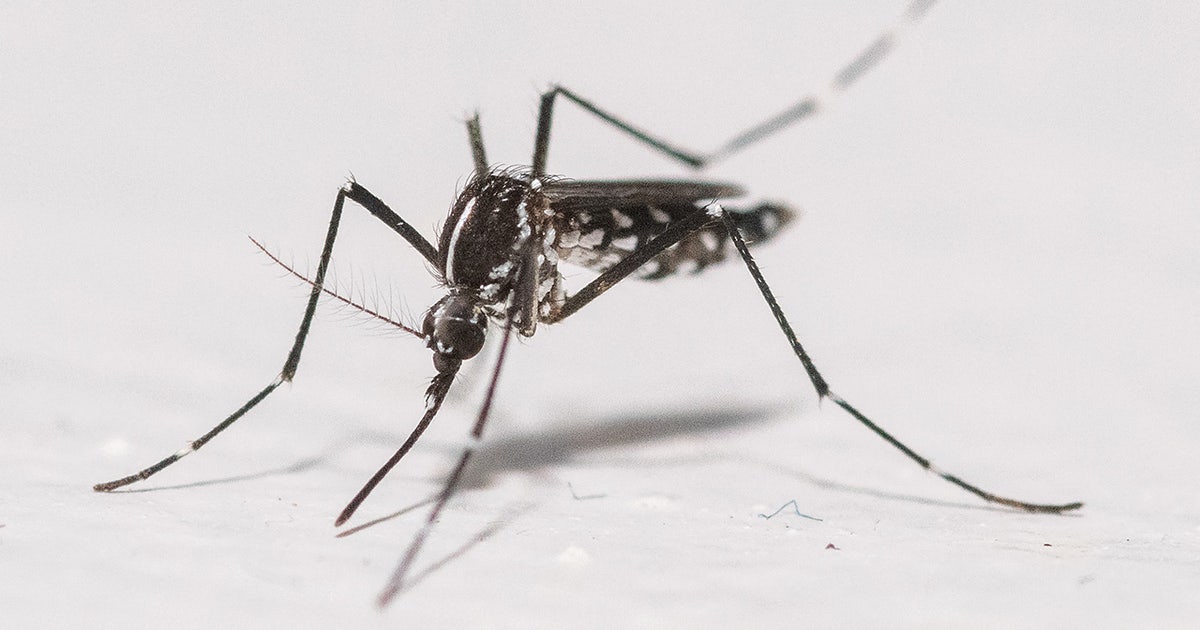
Google's Debug program seeks EPA permit to release 64 million modified mosquitoes in California and Florida
Google's Debug program plans to release up to 64 million genetically modified "good" mosquitoes in California and Florida over two years. Th
 bit.ly·1h ago
Google's Debug program seeks EPA permit to release 64 million modified mosquitoes in California and Florida
Google's Debug program plans to release up to 64 million genetically modified "good" mosquitoes in California and Florida over two years to
 bit.ly·12h ago
Google's Debug program seeks EPA approval to release 64 million modified mosquitoes in California and Florida
Google's Debug program plans to release up to 64 million genetically modified "good" mosquitoes in California and Florida over two years. Th
 fox35orlando.com·13h ago
Startup Pitches Brainless Human Clones for Brain Transplantation
A startup has been quietly pitching the concept of creating "brainless clones" of human bodies — cloned human bodies without a brain — that
 futurism.com·1d ago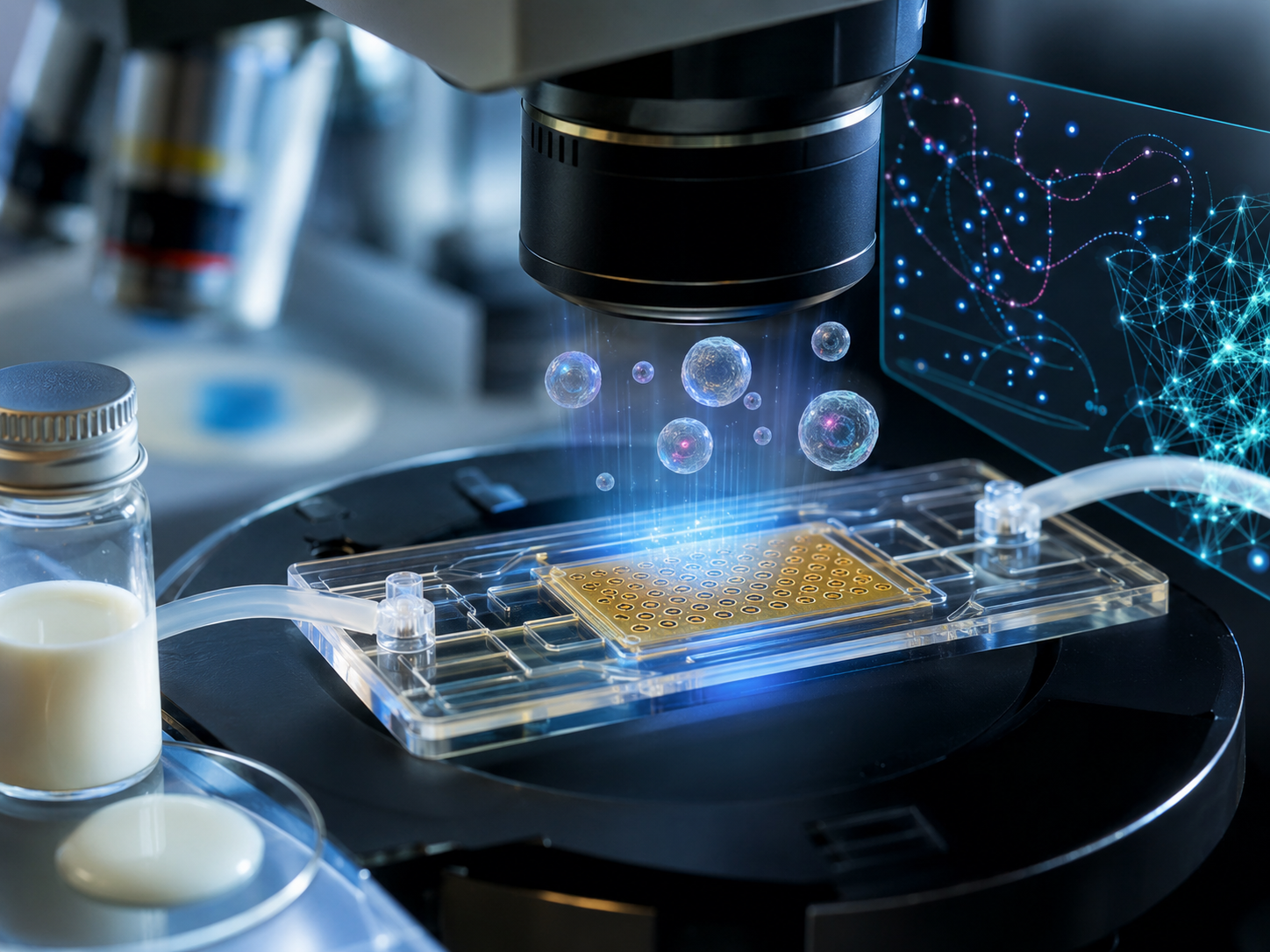
AI-Powered Nanotweezers Enable Label-Free Analysis of Milk-Derived Extracellular Vesicles
Researchers developed an AI-assisted nanotweezer platform that uses electrohydrodynamic trapping, interferometric imaging, and deep learning
 azonano.com·4d ago
Colossal Biosciences Advances Artificial Womb Technology After Dire Wolf De-Extinction
Science start-up Colossal, known for its de-extinction efforts like bringing back dire wolves, is now pioneering artificial womb technology
 Rolling Stone·13d ago