





















Google's Debug program seeks EPA permit to release 64 million modified mosquitoes in California and Florida
By
Nick Viviani

Kettled twice. Extra chewy, extra trustworthy.
Summary
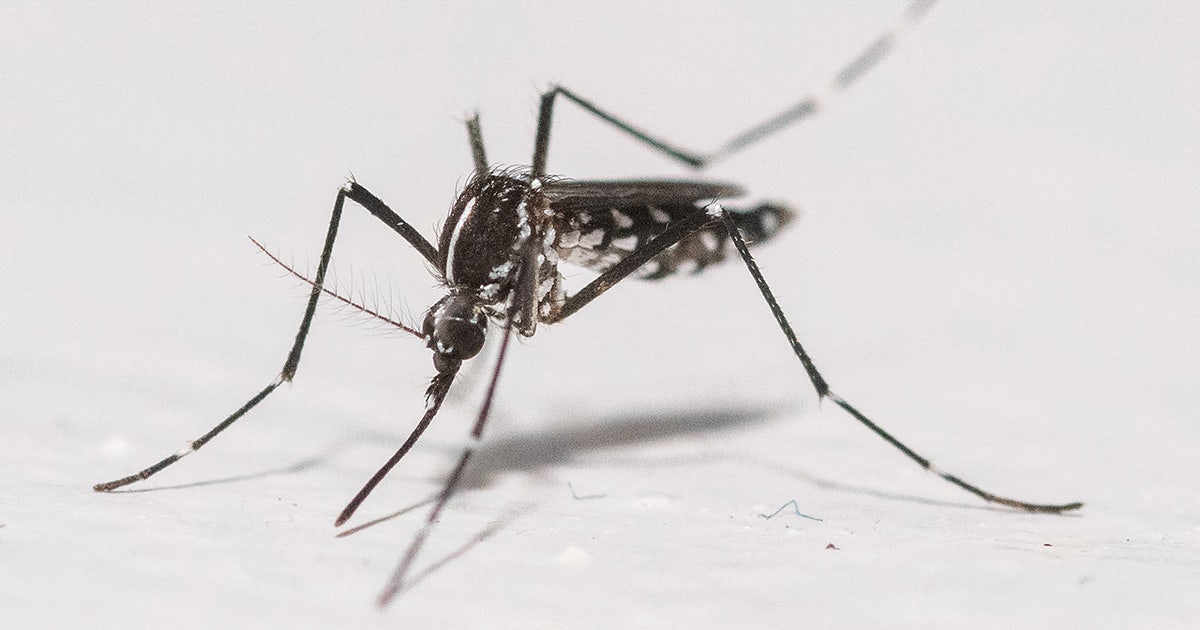
Google's Debug program plans to release up to 64 million genetically modified "good" mosquitoes in California and Florida over two years. These mosquitoes are designed to combat disease-carrying "bad" mosquito populations by reducing their numbers, potentially helping to curb the spread of mosquito-borne illnesses like dengue, Zika, and malaria.
Key quotes
· 2 pulledThe organization, though, promises its 'good bugs' are designed to eliminate the disease-ridden 'bad bugs.'
Google's Debug program filed a request with the Environmental Protection Agency for an experimental use permit that would let it release up to 64 million mosquitoes in Florida and California over a two-year span.
You might also wanna read

Google's Debug program seeks EPA permit to release 64 million modified mosquitoes in California and Florida
Google's Debug program plans to release up to 64 million genetically modified "good" mosquitoes in California and Florida over two years to
 bit.ly·12h ago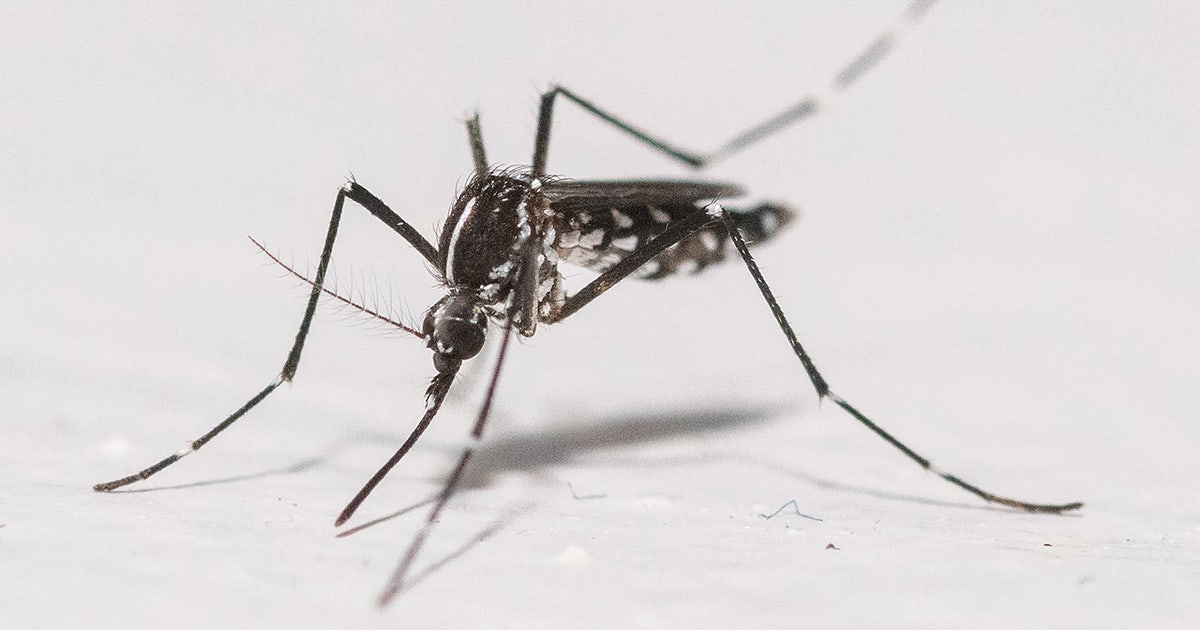
Google's Debug program seeks EPA approval to release 64 million modified mosquitoes in California and Florida
Google's Debug program plans to release up to 64 million genetically modified "good" mosquitoes in California and Florida over two years. Th
 fox35orlando.com·13h ago
Startup Pitches Brainless Human Clones for Brain Transplantation
A startup has been quietly pitching the concept of creating "brainless clones" of human bodies — cloned human bodies without a brain — that
 futurism.com·1d ago
AI-Powered Nanotweezers Enable Label-Free Analysis of Milk-Derived Extracellular Vesicles
Researchers developed an AI-assisted nanotweezer platform that uses electrohydrodynamic trapping, interferometric imaging, and deep learning
 azonano.com·4d ago
Colossal Biosciences Advances Artificial Womb Technology After Dire Wolf De-Extinction
Science start-up Colossal, known for its de-extinction efforts like bringing back dire wolves, is now pioneering artificial womb technology
 Rolling Stone·13d ago
OpenAI Launches GPT-Rosalind: A Frontier Reasoning Model for Life Sciences Research
OpenAI has introduced GPT-Rosalind, a frontier reasoning model specifically designed for life sciences research. The model is optimized for
 openai.com·1mo ago