





















Colossal Biosciences Advances Artificial Womb Technology After Dire Wolf De-Extinction
By
Jason Maxey

Hand-rolled, kettle-boiled, baked to perfection. Worth every minute at the bakery.
Summary
Science start-up Colossal, known for its de-extinction efforts like bringing back dire wolves, is now pioneering artificial womb technology to "productionize" animal reproduction. The article explores how this technology could eliminate the need for eggs or natural wombs, potentially revolutionizing conservation efforts for endangered species like the northern white rhino, of which only two remain on Earth. Colossal's work sits at the intersection of genetic engineering, reproductive technology, and conservation biology, with the company already valued at billions.
Key quotes
· 3 pulledIn many ways, the last two northern white rhinos on Earth spend their days as if they were not the last two northern white rhinos on Earth.
They lumber majestically along a dun and dusty landscape, as their ancestors have done for millions of years.
Science start-up Colossal is on a mission to make animals 'productionized' — getting rid of the need for eggs or wombs.
You might also wanna read

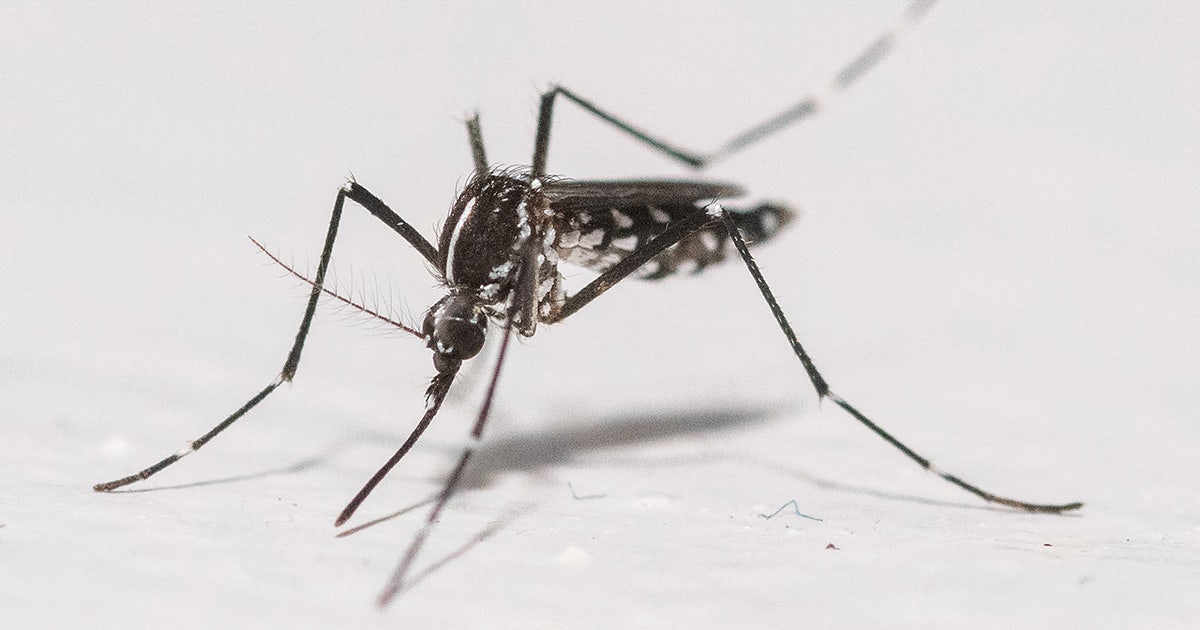
Google's Debug program seeks EPA permit to release 64 million modified mosquitoes in California and Florida
Google's Debug program plans to release up to 64 million genetically modified "good" mosquitoes in California and Florida over two years to
 bit.ly·1h ago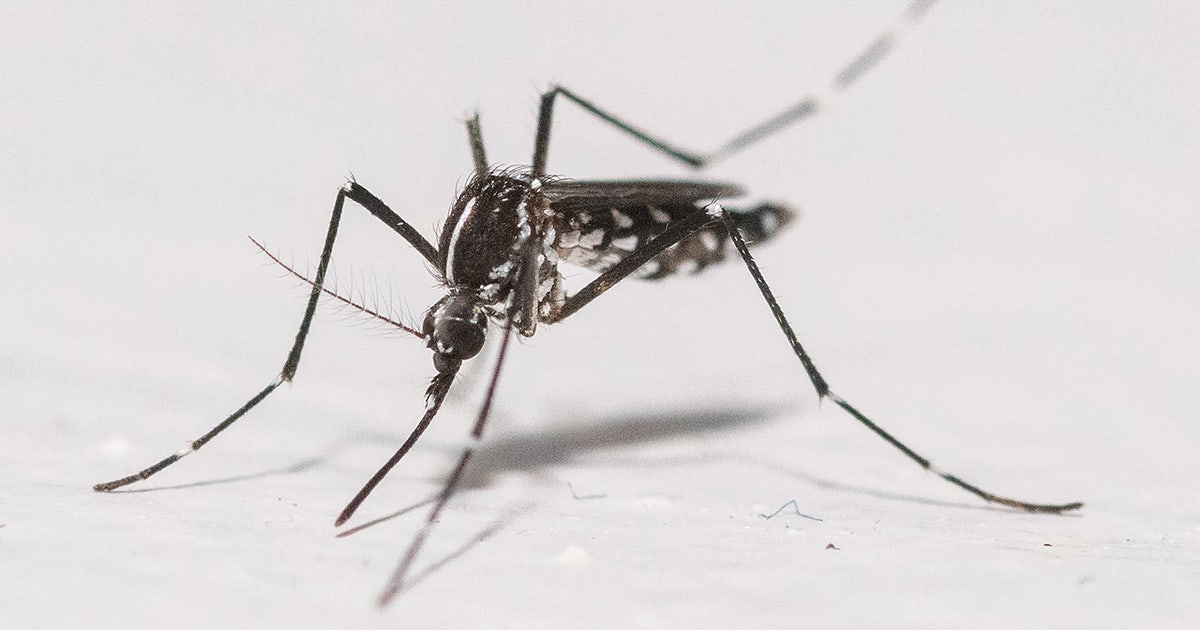
Google's Debug program seeks EPA approval to release 64 million modified mosquitoes in California and Florida
Google's Debug program plans to release up to 64 million genetically modified "good" mosquitoes in California and Florida over two years. Th
 fox35orlando.com·2h ago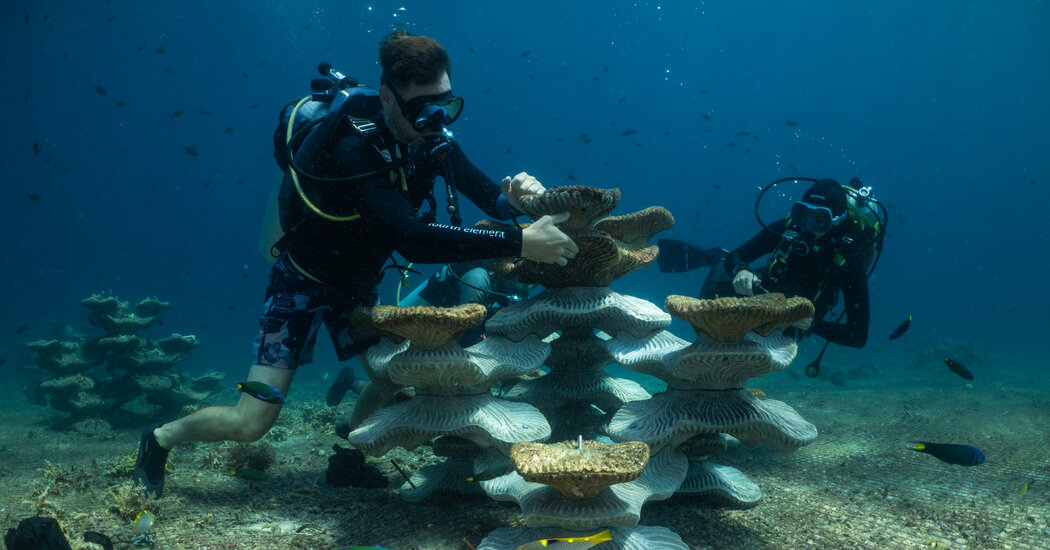
Conservation Group Uses Concrete Molds to Build Artificial Reefs in Malaysia's Coral Triangle
A conservation group is using concrete molds and 3D-printed structures to build artificial reefs in the Coral Triangle near Malaysia, aiming
 nytimes.com·4h ago
Startup Pitches Brainless Human Clones for Brain Transplantation
A startup has been quietly pitching the concept of creating "brainless clones" of human bodies — cloned human bodies without a brain — that
 futurism.com·1d ago
Millimetre-wave radar and machine learning enable non-lethal insect species identification via wingbeat reflections
Researchers at Trinity College Dublin have developed a new technique that combines millimetre-wave radar with machine learning to identify i
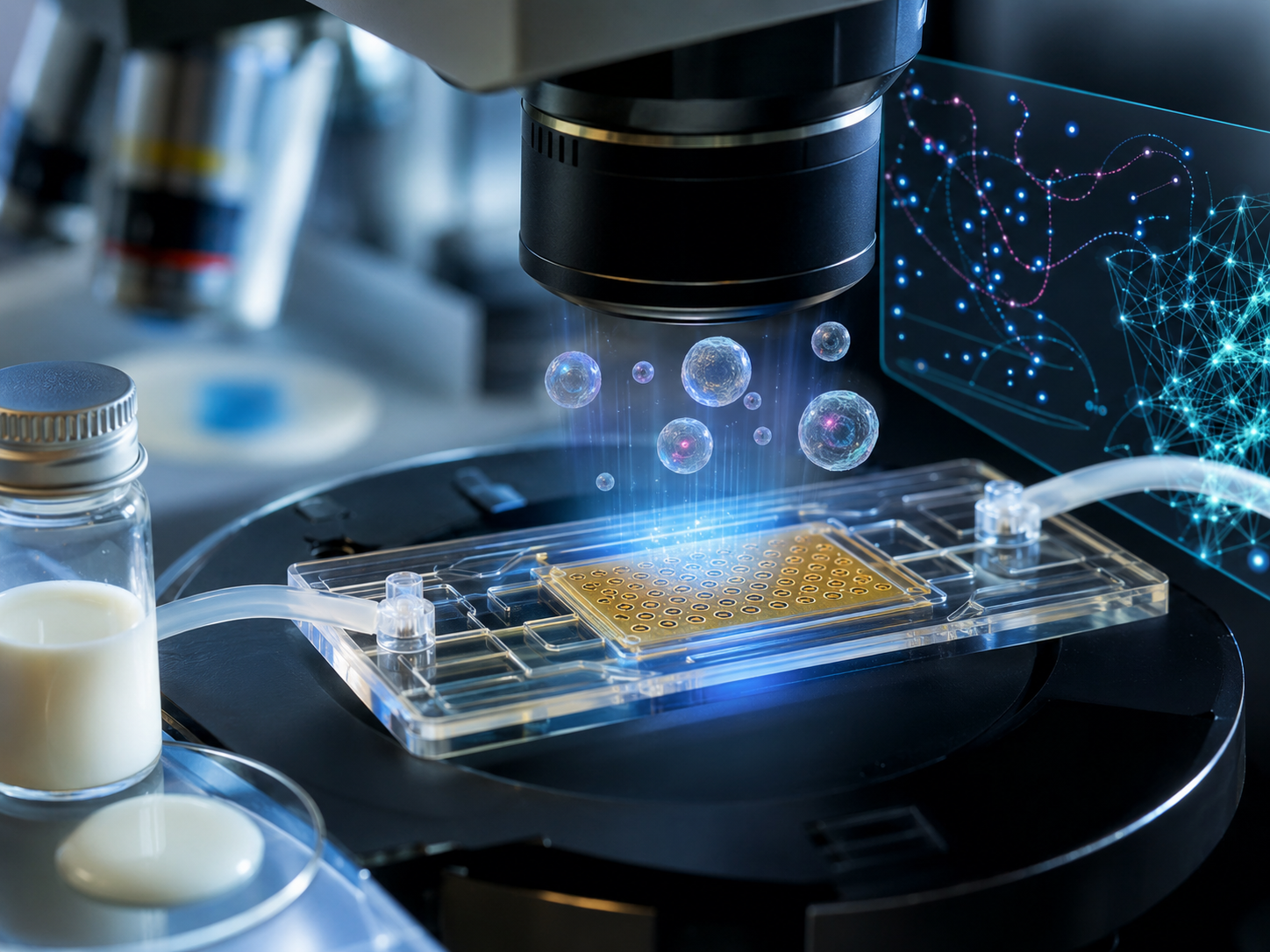
AI-Powered Nanotweezers Enable Label-Free Analysis of Milk-Derived Extracellular Vesicles
Researchers developed an AI-assisted nanotweezer platform that uses electrohydrodynamic trapping, interferometric imaging, and deep learning
 azonano.com·4d ago