
























Researchers develop game-based depression screening by measuring reward processing in the brain
Summary
Researchers are using game-like tasks that measure a person's decisional reference point — the unconscious threshold for assessing rewarding experiences — as a potential screening tool for depression. The approach aims to identify depression through behavioral patterns in how the brain evaluates rewards, offering a faster, more objective screening method compared to traditional self-report questionnaires. The study explores the link between depression symptoms and altered reward processing in the brain.
Source

 Twitter / XResearchers develop game-based depression screening by measuring reward processing in the brainnih.gov
Key quotes
· 3 pulledResearchers measured a person's decisional reference point to help identify people with depression.
Depression, or major depressive disorder, is a mood disorder that causes persistent feelings of sadness and loss of interest.
Depression symptoms may stem from how the brain...
You might also wanna read

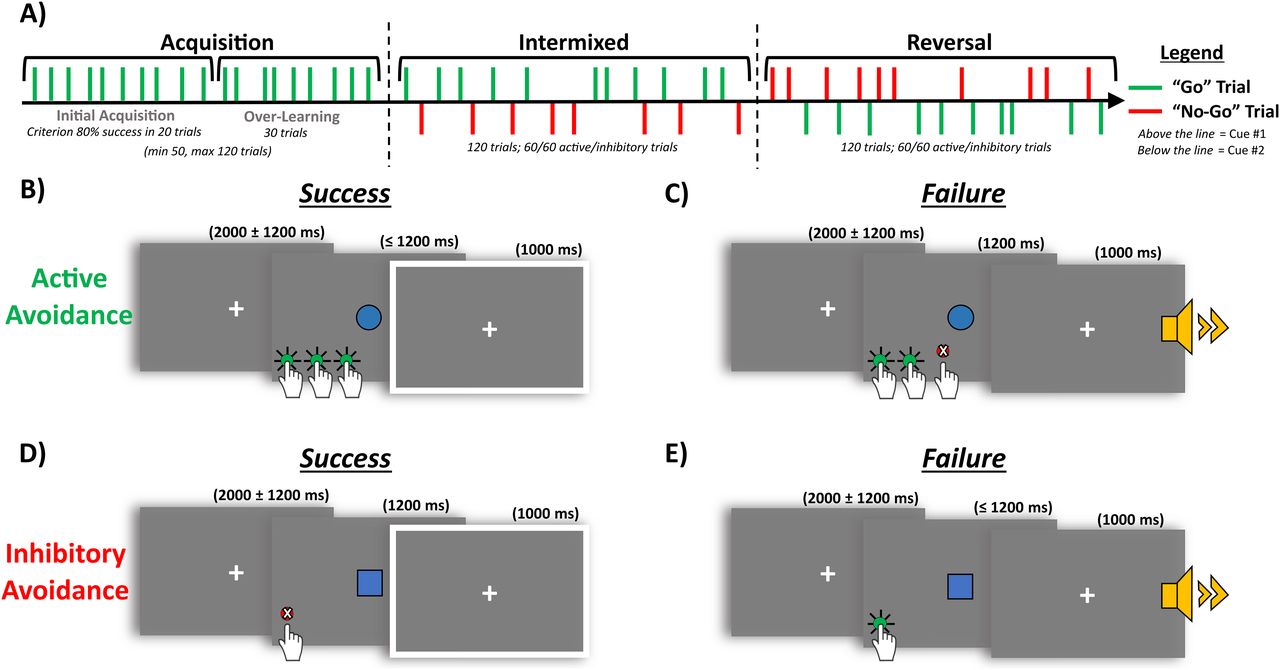
Research Links Depression to Reduced Ability to Learn Active Avoidance Behaviors in Young Adults
This research article presents findings from two studies examining the relationship between depressive symptoms and avoidance behaviors in y
 eneuro.org·9mo ago
Testing Neurable's EEG Headset: Can Brain-Scanning Tech Really Improve Gaming Focus?
This article explores the concept of achieving a "flow state" for gaming and productivity, focusing on Neurable's EEG-based brain-scanning h
 gizmodo.com·5d ago
Study Finds Association Between Daily Generative AI Use and Higher Depressive Symptoms in US Adults
This survey study examines the association between daily generative AI use and depressive symptoms among US adults. The research analyzes da
 jamanetwork.com·3mo ago
Scoping Review Reveals Methodological Gaps in EEG-Based Neurofeedback Research for Athletes and Non-Athletes
This scoping review examines EEG-based neurofeedback (NFB) research in athletes and non-athletes, analyzing methodological characteristics,

Study reveals how short-form videos exploit brain's pleasure circuitry to hook users
Researchers at Germany's University of Bayreuth conducted a review published in European Child and Adolescent Psychiatry, analyzing 42 studi
 dw.com·3d ago
The Dopamine-Driven Design of Social Media Apps and Their Addictive Impact
The article explores how social media apps are designed to exploit dopamine-driven feedback loops, leading to addictive behaviors similar to
 lookatmyprofile.org·10mo ago
Comments
Sign in to join the conversation.
No comments yet. Be the first.