
























Study reveals how short-form videos exploit brain's pleasure circuitry to hook users
By
Richard Connor
Summary
Researchers at Germany's University of Bayreuth conducted a review published in European Child and Adolescent Psychiatry, analyzing 42 studies involving nearly 30,000 participants (mostly adolescents and young adults) on how short-form video platforms like TikTok, Instagram Reels, and YouTube Shorts are designed to overwhelm the brain's pleasure circuitry, keeping users hooked. The research examines the psychological and neurological mechanisms behind short-form video addiction, particularly in children and adolescents, and suggests these attention-harvesting techniques may only be the beginning.
Source

 bskyStudy reveals how short-form videos exploit brain's pleasure circuitry to hook usersdw.com
Key quotes
· 3 pulledFor many of us, the day often starts with a swipe.
A few clips become a few dozen. Minutes become an hour.
Researchers say short-form videos may only be the start when it comes to harvesting human attention.
You might also wanna read


The Dopamine-Driven Design of Social Media Apps and Their Addictive Impact
The article explores how social media apps are designed to exploit dopamine-driven feedback loops, leading to addictive behaviors similar to
 lookatmyprofile.org·10mo ago
How Digital Platforms Design Environments for Maximum Content Consumption
The article examines how modern digital environments, particularly social media platforms like TikTok, are intentionally designed to maximiz
 fromjason.xyz·5mo ago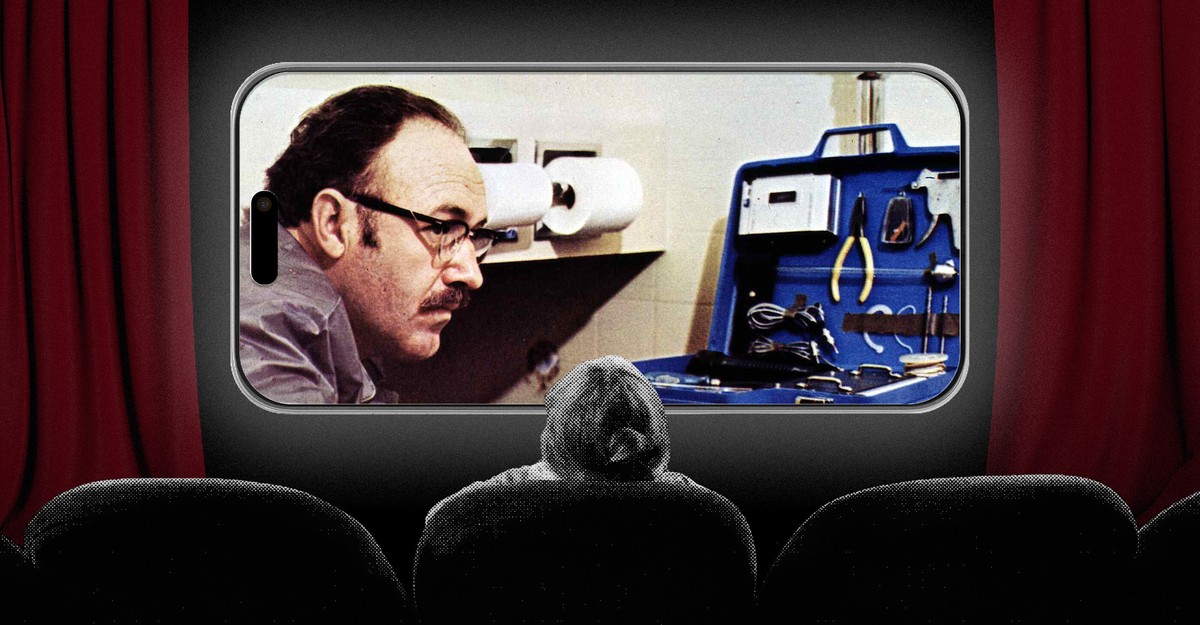
Film Students Struggle to Watch Full Movies, Reflecting Broader Attention-Span Crisis
Film professors across the U.S. report that film students increasingly struggle to watch entire movies for homework assignments, reflecting
 theatlantic.com·4mo ago
How social media evolved from friend networks to entertainment feeds — and the growing backlash
Social media platforms have shifted from being communication tools between friends to short-video entertainment hubs designed to maximize us
 bbc.com·16d ago
What science says about the mental health effects of excessive screen time
This article examines the scientific evidence behind the concept of "brain rot" from excessive digital device use. It references multiple re
 sciencenews.org·2d ago
What science says about the mental health effects of excessive screen time
This article examines the scientific evidence behind the concept of "brain rot" from excessive digital device use. It references multiple re
sciencenews.org·2d ago
Court finds Meta and YouTube liable for designing addictive platforms targeting teens
A Los Angeles jury found Meta and YouTube liable for designing addictive products, citing a confidential 2019 Meta slide deck that concluded
 The Economist·1mo ago
Comments
Sign in to join the conversation.
No comments yet. Be the first.