
























The Dopamine-Driven Design of Social Media Apps and Their Addictive Impact
If you’ve ever refreshed your feed more times than you can count, stayed up scrolling until your eyes burned, or felt empty after a post that didn’t get the eng
Read the full articleYou might also wanna read


Study reveals how short-form videos exploit brain's pleasure circuitry to hook users
TikTok, Instagram and YouTube clips are designed to overwhelm the brain's pleasure circuitry and keep people watching. Researchers say short
 dw.com·25d ago
Meta faces $1.4 trillion lawsuit over addictive social media design
If you have ever caught yourself doom scrolling on Instagram or Facebook for hours on end and felt bad, don't; the technology is working exa
 bit.ly·7d ago
EU Commission preliminarily finds Meta’s addictive design breaches the DSA
The EU Commission has preliminarily concluded that Instagram and Facebook use addictive design features that expose users, including minors

Young people seek phone-free spaces in nightlife and classrooms to combat digital addiction
In Chicago, phone-free events have ranged from unplugged creative spaces to digital detoxing dance parties.
 chicagotribune.com·1mo ago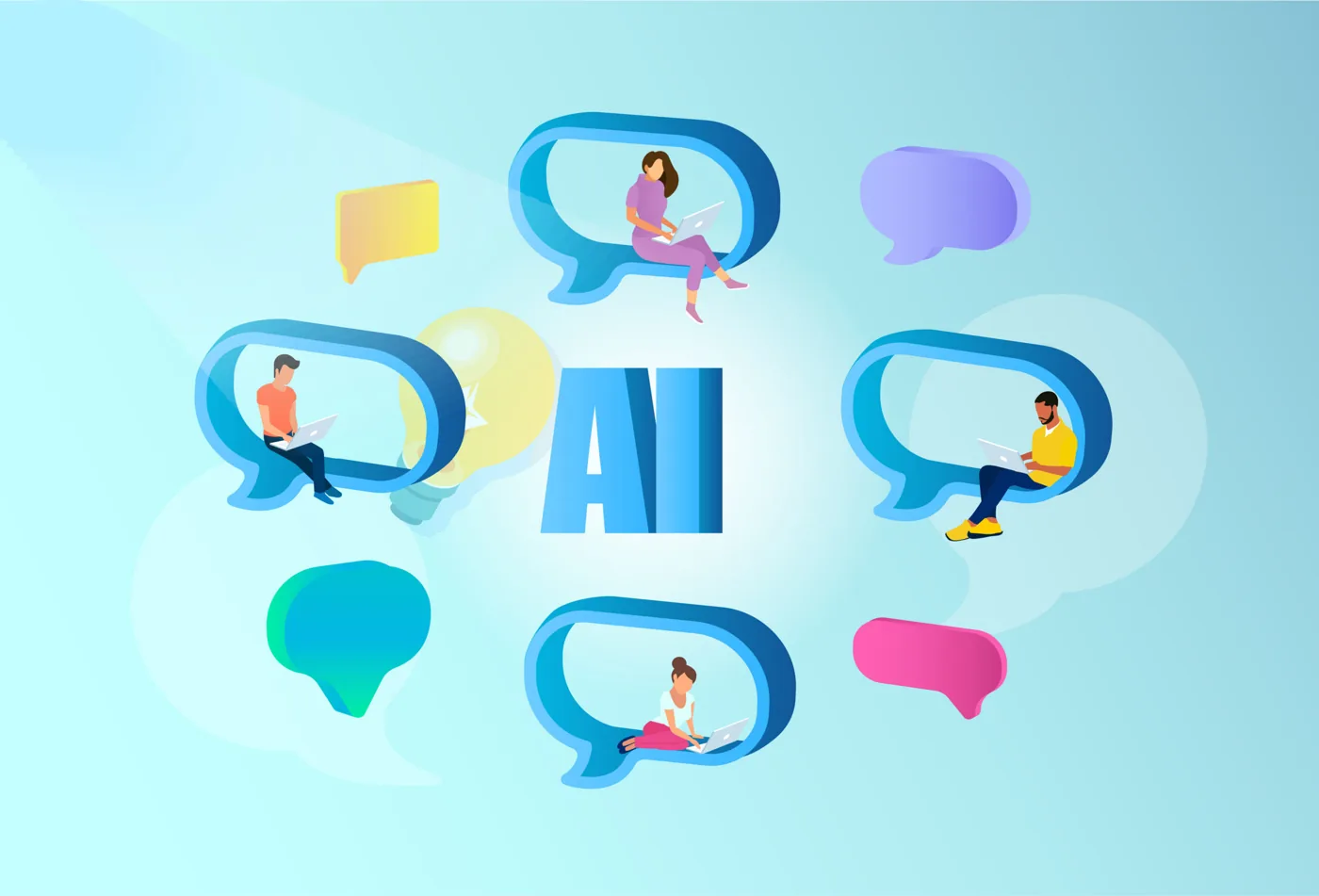
How AI's Instant Gratification Fuels Student Over-Reliance and Undermines Critical Thinking
Discover how AI over-reliance and dopamine-driven instant gratification affect critical thinking, and learn practical strategies for helping
 facultyfocus.com·10d ago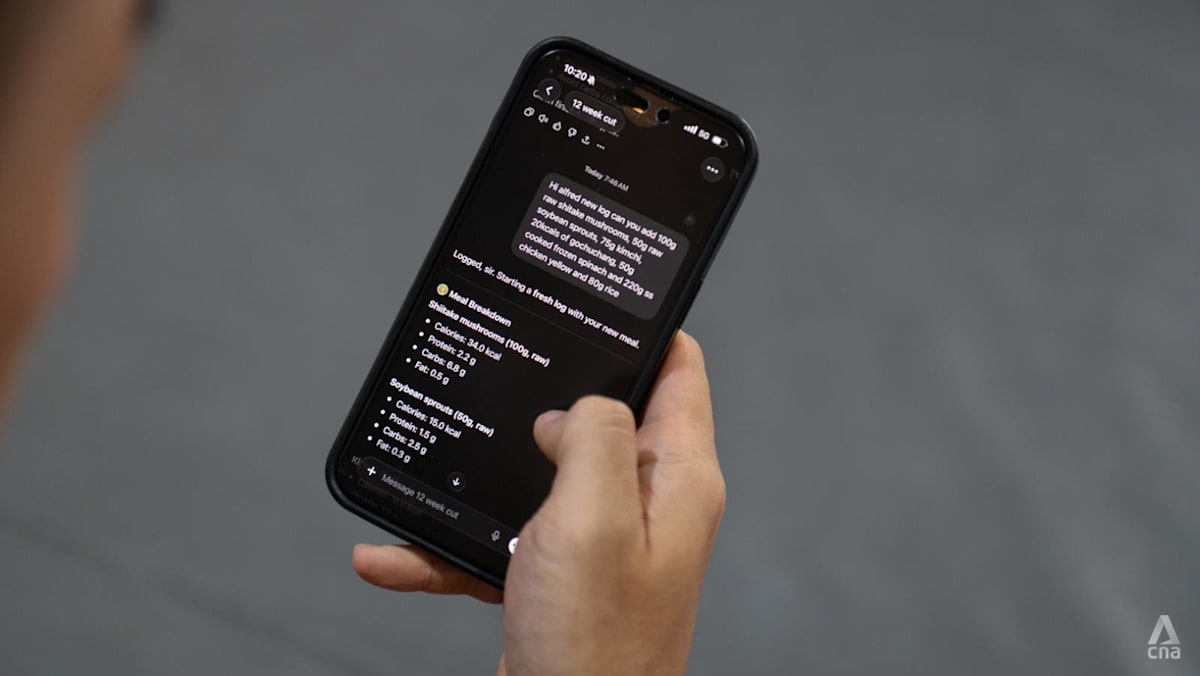
Commentary: Who is responsible if AI becomes addictive — tech companies or users?
There is a significant amount of data showing how heavy use of chatbots can lead to behaviour associated with addiction, says an academic.
 channelnewsasia.com·1mo ago
Comments
Sign in to join the conversation.
No comments yet. Be the first.