





















How social media evolved from friend networks to entertainment feeds — and the growing backlash
By
John Laurenson

Toasted golden, schmeared with insight. Top of the rack.
Summary
Social media platforms have shifted from being communication tools between friends to short-video entertainment hubs designed to maximize user time and ad revenue. The article explores this transformation through the lens of platforms like Instagram, TikTok, and YouTube, examining how algorithm-driven content feeds prioritize viral entertainment over social connection. It investigates whether a consumer backlash is emerging as users grow tired of the anti-social nature of these platforms and seek more authentic social experiences.
Key quotes
· 4 pulledAurélia fixes herself a coffee, sits down in her beautiful garden not far from Paris and goes on Instagram 'to relax.'
Social media platforms used to be about communication between friends – now many are increasingly short video entertainment hubs.
The business model is to increase the time people spend on their apps and increase ad revenue.
But is there already a consumer backlash?
You might also wanna read


Creative professionals grow disillusioned with social media as platforms lose their original value
Creative professionals are increasingly disillusioned with social media platforms that once offered free exposure and community. Through dis
 Creative Boom·3mo ago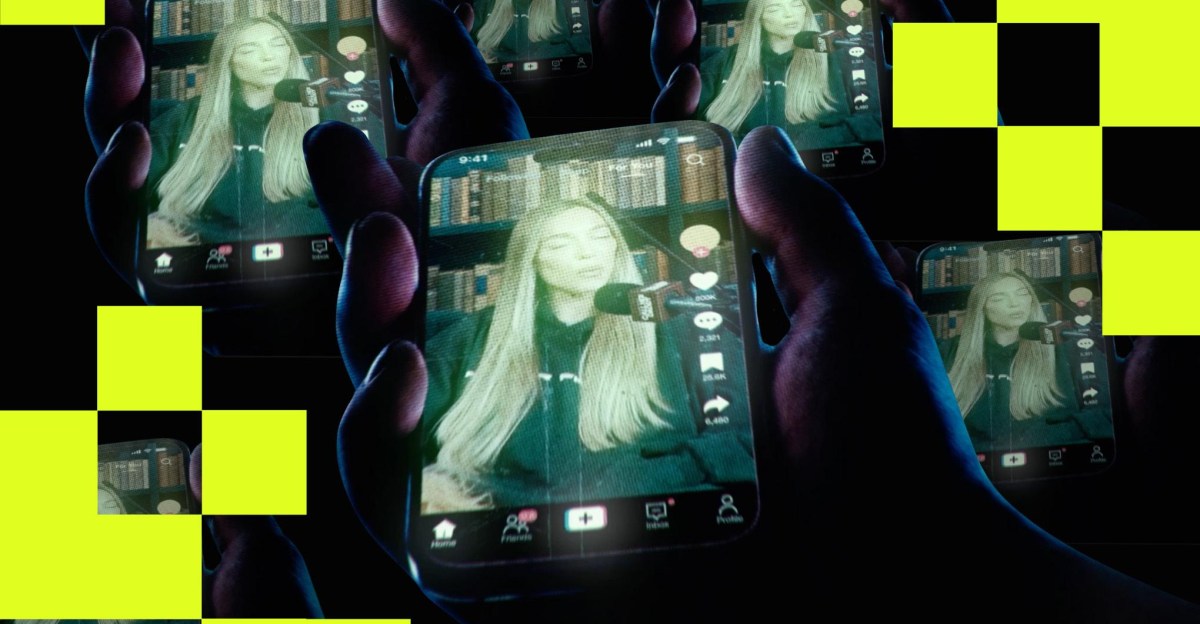
How the clipping economy and algorithms reshaped social media feeds
The article explores how social media feeds have shifted from being driven by user follows and likes to being controlled by opaque algorithm
 theverge.com·7d ago
AI-generated influencers grow increasingly realistic, challenging social media platforms' detection capabilities
This article examines the growing sophistication of AI-generated content creators and influencers on social media platforms. It traces the e
The Verge·1d ago
Ed Coper's 'Angertainment' examines how social media algorithms fuel outrage and addiction
Ed Coper's new book "Angertainment" examines how social media algorithms exploit human emotions—particularly anger and outrage—to keep users
 theage.com.au·12d ago
Why platforms should let users filter out AI-generated content
The article argues that while major platforms like YouTube, Instagram, and TikTok have implemented AI content labeling systems, they have fa
The Verge·4d agoWhy platforms should let users filter out AI-generated content
The article argues that while major platforms like YouTube, Instagram, and TikTok have implemented AI content labeling systems, they have fa
theverge.com·4d ago
Fandom's AI Clout Economy: When Fans Create Digital Replicas Despite Celebrity Discomfort
The article explores the emerging AI clout economy within fandom communities, where fans create AI-generated images and content of celebriti
The Verge·6mo ago