
























UNEP outlines nature-based solutions for climate and biodiversity goals
By
book.com/unep
Summary
This article outlines the UN Environment Programme's (UNEP) approach to nature-based solutions for addressing climate change, biodiversity loss, and resource overexploitation. It highlights that protecting and restoring nature could reduce emissions by up to 11.7 gigatons of CO2 equivalent per year by 2030. Currently, about US$133 billion flows annually into nature-based solutions (86% public, 14% private), but more investment is needed. UNEP works with IUCN, FAO, and UNDP on ecosystem restoration, reforestation, climate-smart agriculture, the UN-REDD Programme, and national biodiversity action plans to support the UN Decade of Ecosystem Restoration 2021-2030.
Source

 Twitter / XUNEP outlines nature-based solutions for climate and biodiversity goalsunep.org
Key quotes
· 3 pulledThere is no quick fix to the climate emergency and the overexploitation of natural resources.
By working with nature, emissions can be reduced by up to 11.7 gigatons of carbon dioxide equivalent per year by 2030, over 40 per cent of what is needed to limit global warming.
To unlock the full potential of nature and pave the way for the success of the United Nations Decade of Ecosystem Restoration 2021-2030, greater investment is needed in what nature does best: self-healing.
You might also wanna read


Ecosystem restoration and regenerative farming as nature-based climate solutions
This article discusses ecosystem restoration, biochar, and regenerative farming as key nature-based solutions for climate restoration. It em
 thenaturefestival.org·17d ago
Assessing the climate impact potential of ocean-based solutions: Offshore wind leads, coastal ecosystems contribute modestly
This article examines ocean-based climate solutions, assessing their readiness and potential climate impact. Offshore wind is highlighted as
 drawdown.org·20d ago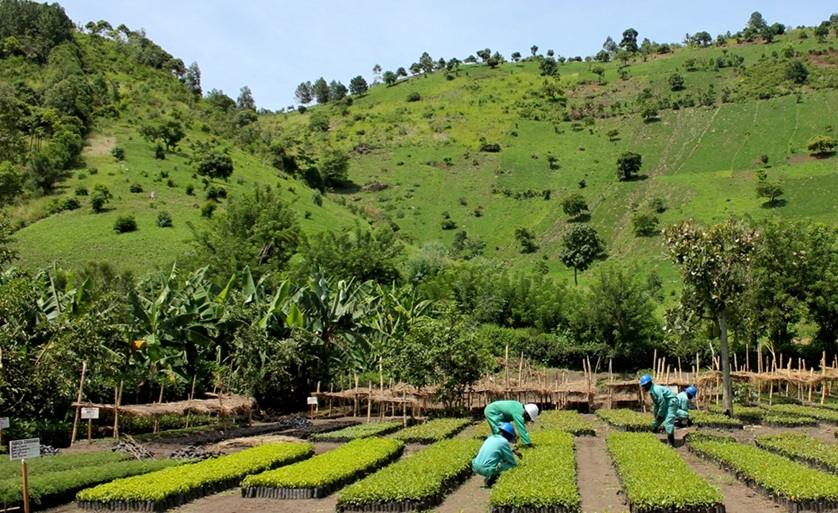
Danone and Mars Back €150 Million Livelihoods Carbon Fund 4 for Nature-Based Climate Solutions
Impact investment platform Livelihoods launched its fourth fund, Livelihoods Carbon Fund 4 (LCF4), a €150 million fund backed by Danone, Mar
 esgtoday.com·10d ago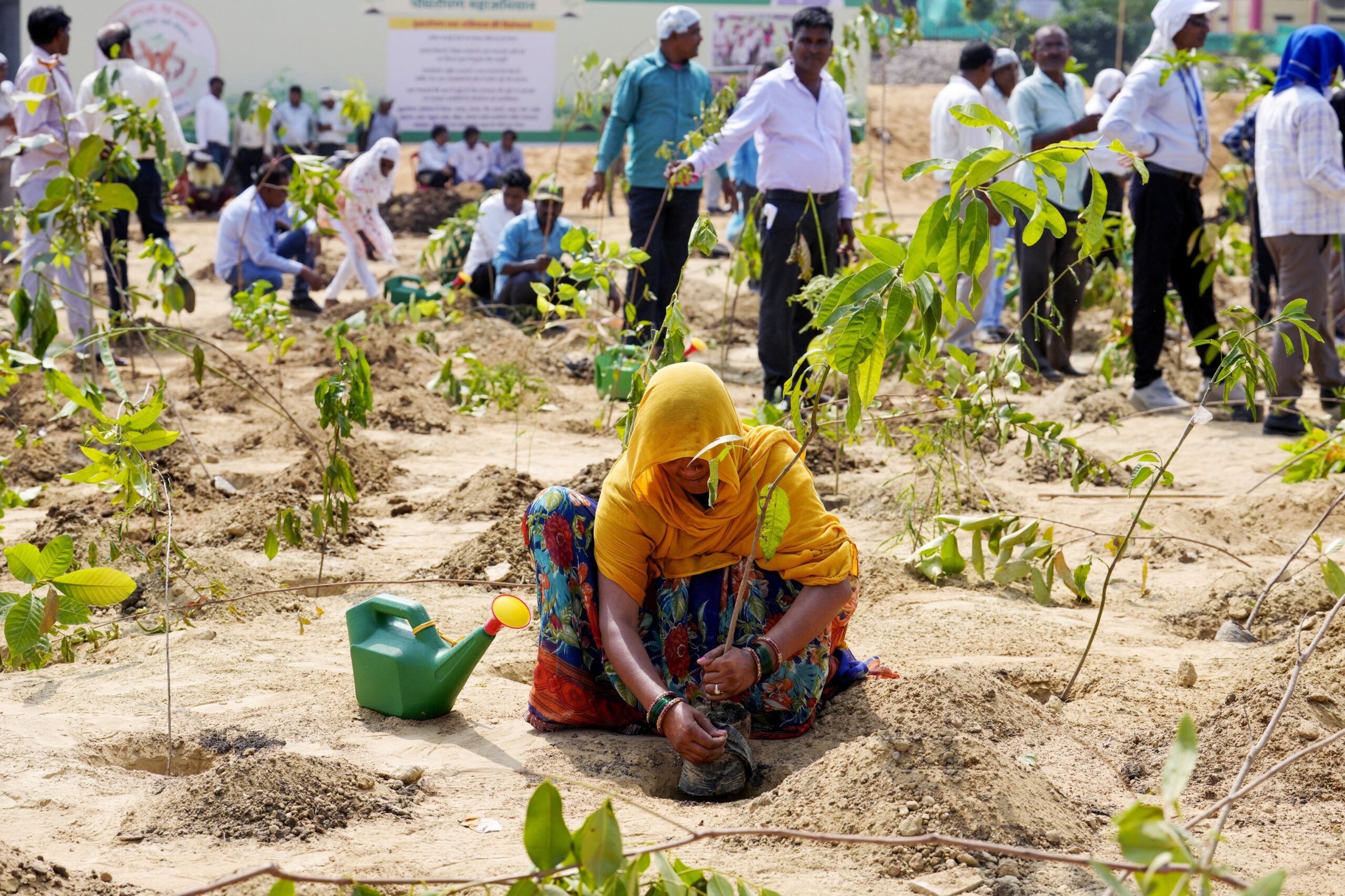
Why India's large-scale tree-planting programs fail to meet climate and biodiversity goals
India's ambitious tree-planting programs, including Van Mahotsav, Green India Mission (GIM), National Afforestation Programme (NAP), and Sub
 india.mongabay.com·28d ago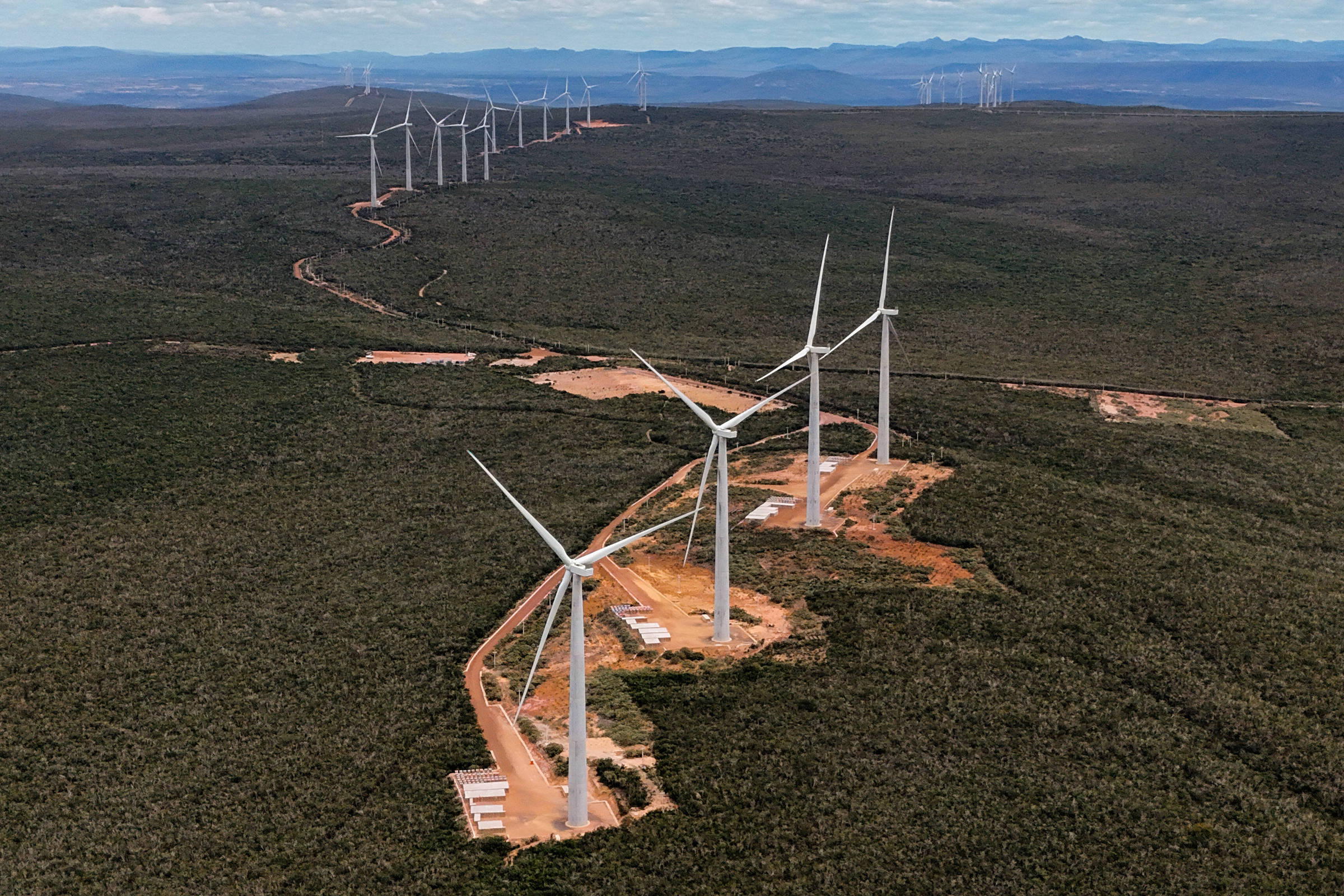
Brasil trata agenda climática como projeto de desenvolvimento econômico com Eco Invest
The article argues that climate transition has evolved from a purely environmental agenda into a major economic development opportunity for
 mla.bs·26d ago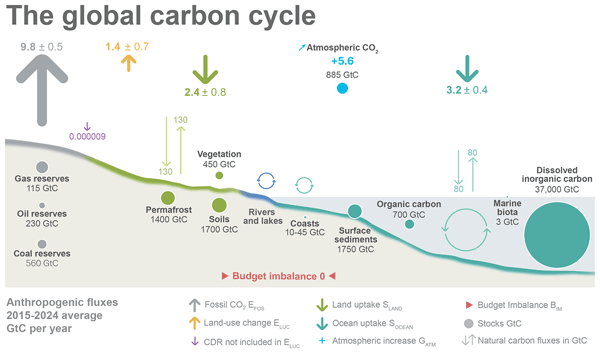
Global Carbon Budget 2025: Anthropogenic CO2 Emissions Reach 11.6 GtC/yr with Atmospheric CO2 at 422.8 ppm
This article presents the Global Carbon Budget 2025, a comprehensive scientific assessment of anthropogenic CO2 emissions and their redistri
 doi.org·1mo ago
Comments
Sign in to join the conversation.
No comments yet. Be the first.