
























Narcissistic Personality Disorder: Symptoms, Signs, and How to Respond
By
Written by Martha Anne Tudor
Summary
This article explains narcissistic personality disorder (NPD), covering its symptoms, causes, and how to recognize a narcissist. It distinguishes between healthy narcissism and pathological narcissism, outlines the diagnostic criteria for NPD, and offers practical advice on how to interact with and set boundaries around narcissistic individuals. The piece draws on psychiatric sources and expert opinions to provide a comprehensive overview of the condition.
Source

 Twitter / XNarcissistic Personality Disorder: Symptoms, Signs, and How to Respondwb.md
Key quotes
· 3 pulledThe word narcissist is thrown around a lot, but what does it really mean?
Narcissistic personality disorder is a mental health condition characterized by an inflated sense of self-importance, a deep need for excessive attention and admiration, troubled relationships, and a lack of empathy for others.
While everyone can be self-centered at times, true narcissism is a diagnosable personality disorder that affects how a person thinks, feels, and behaves.
You might also wanna read


Understanding Differential Diagnosis: When Autism Symptoms Overlap with Other Psychiatric Conditions
The article discusses the challenges of differential diagnosis in psychiatry, particularly focusing on how autism spectrum disorder can be c
 psychiatrymargins.com·7mo ago
Understanding Dissociation: From Everyday Daydreaming to Dissociative Disorders
This article explores the concept of dissociation, explaining that common everyday experiences like daydreaming or zoning out exist on a spe
 inspirethemind.org·14d ago
Satirical Proposal to Classify Happiness as a Psychiatric Disorder
The article presents a satirical proposal to classify happiness as a psychiatric disorder called 'major affective disorder, pleasant type.'
 pmc.ncbi.nlm.nih.gov·3mo ago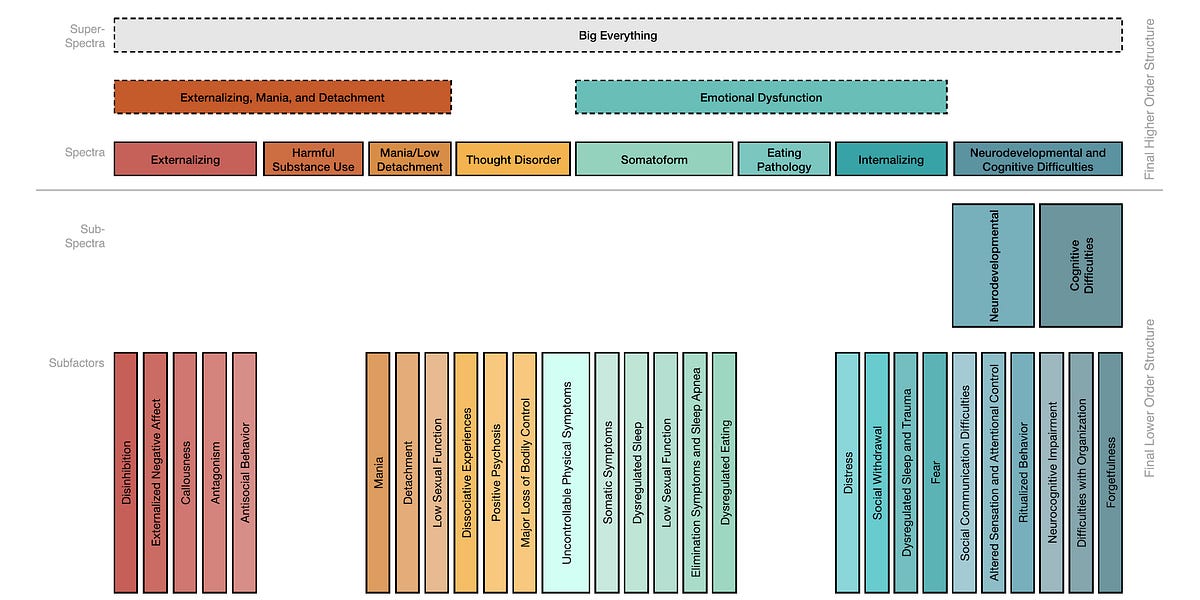
Statistical Analysis Reveals DSM-5 Disorders Don't Align with Natural Symptom Clusters
A groundbreaking study published in Clinical Psychological Science uses statistical clustering methods to analyze DSM-5 psychiatric symptoms
psychiatrymargins.com·9mo ago
Obsessive-Compulsive and Related Disorders in Children and Young People: Current Evidence and Clinical Approaches
Obsessive-Compulsive and Related Disorders in Children and Young People: Current Evidence and Clinical Approaches

Humphry Davy: a study in narcissism?
 doi.org·7d ago
Comments
Sign in to join the conversation.
No comments yet. Be the first.