
























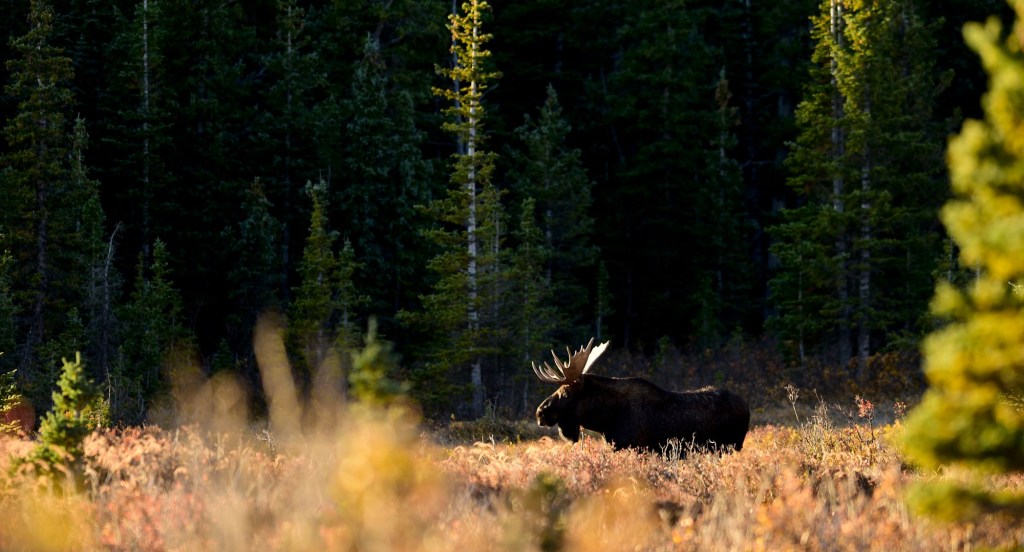
CU Boulder study proves moose are native to Colorado, overturning decades of official belief
By
Olivia Doak
Summary
A University of Colorado Boulder study has found evidence that moose are native to Colorado, directly contradicting decades of belief by government officials and wildlife experts that moose were only historically transient in the state. The research, led by anthropology professor William Taylor, analyzed newspaper articles, databases, museum collections, photos, journals, and Native traditions to prove that moose have been established in Colorado since historic records began. This overturns the long-standing classification by Colorado Parks and Wildlife and the National Park Service, which had maintained that moose did not have a stable breeding population before their reintroduction in the late 1970s.
Source
 bskyCU Boulder study proves moose are native to Colorado, overturning decades of official beliefdenverpost.com
Key quotes
· 3 pulledWhat we found is that we can prove without a shadow of a doubt that moose have been established in Colorado since there is a historic record
For decades, government officials and wildlife experts have believed that moose are not native to Colorado
Colorado Parks and Wildlife and the National Park Service classify moose in Colorado as historically transient, having never established a stable breeding population before their introduction by the state in the late 1970s
You might also wanna read

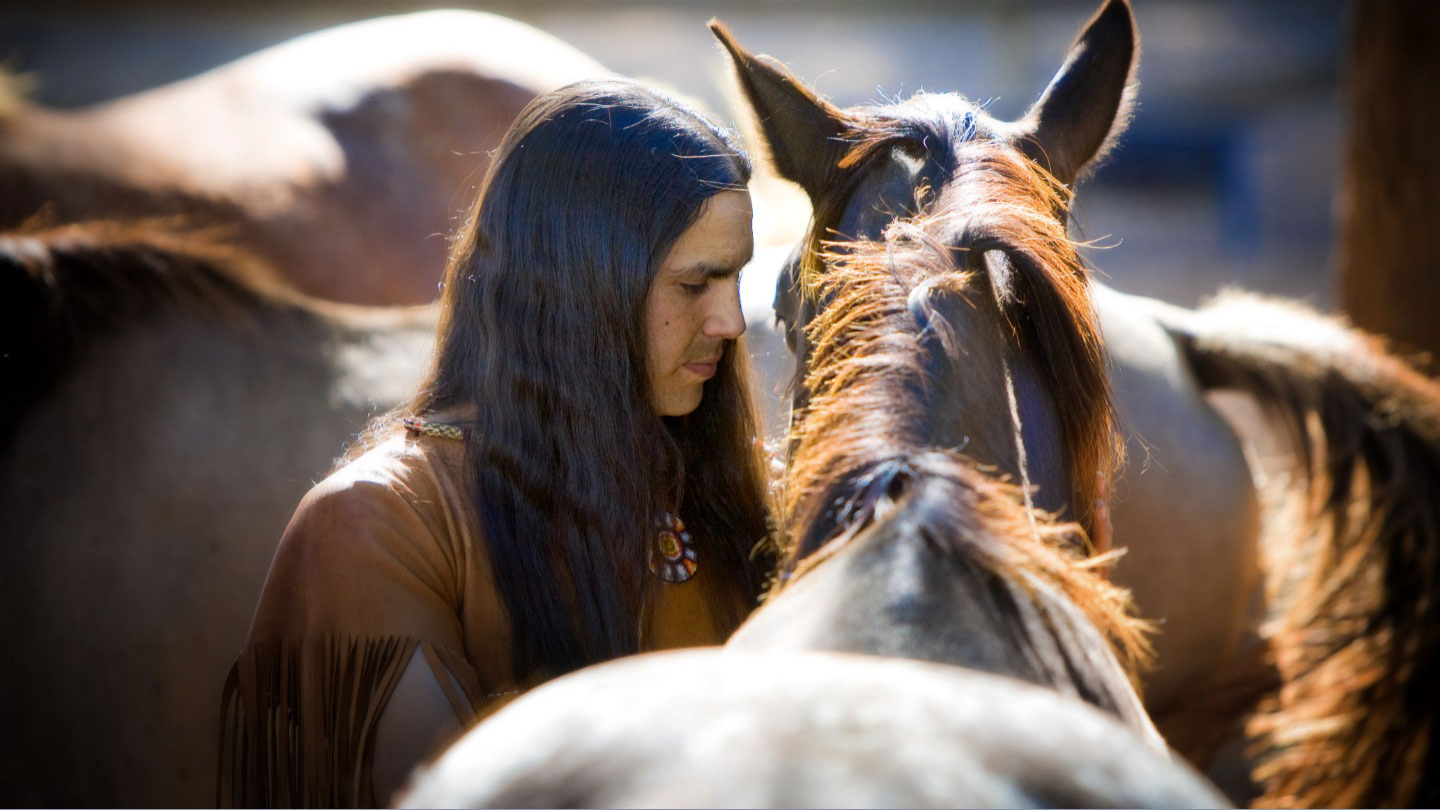
Study confirms Native Americans had Spanish horses in Great Plains by early 1600s, before European arrival
A collaboration between Western scientists and Native Americans reveals that Indigenous groups in the Great Plains incorporated horses of Sp
 sciencenews.org·8h ago
Ancient DNA reveals North America's first dogs came from Siberia, not local wolves
An analysis of ancient dog DNA suggests that North America's first dogs arrived with humans crossing a land bridge from Siberia around 10,00
sciencenews.org·1d ago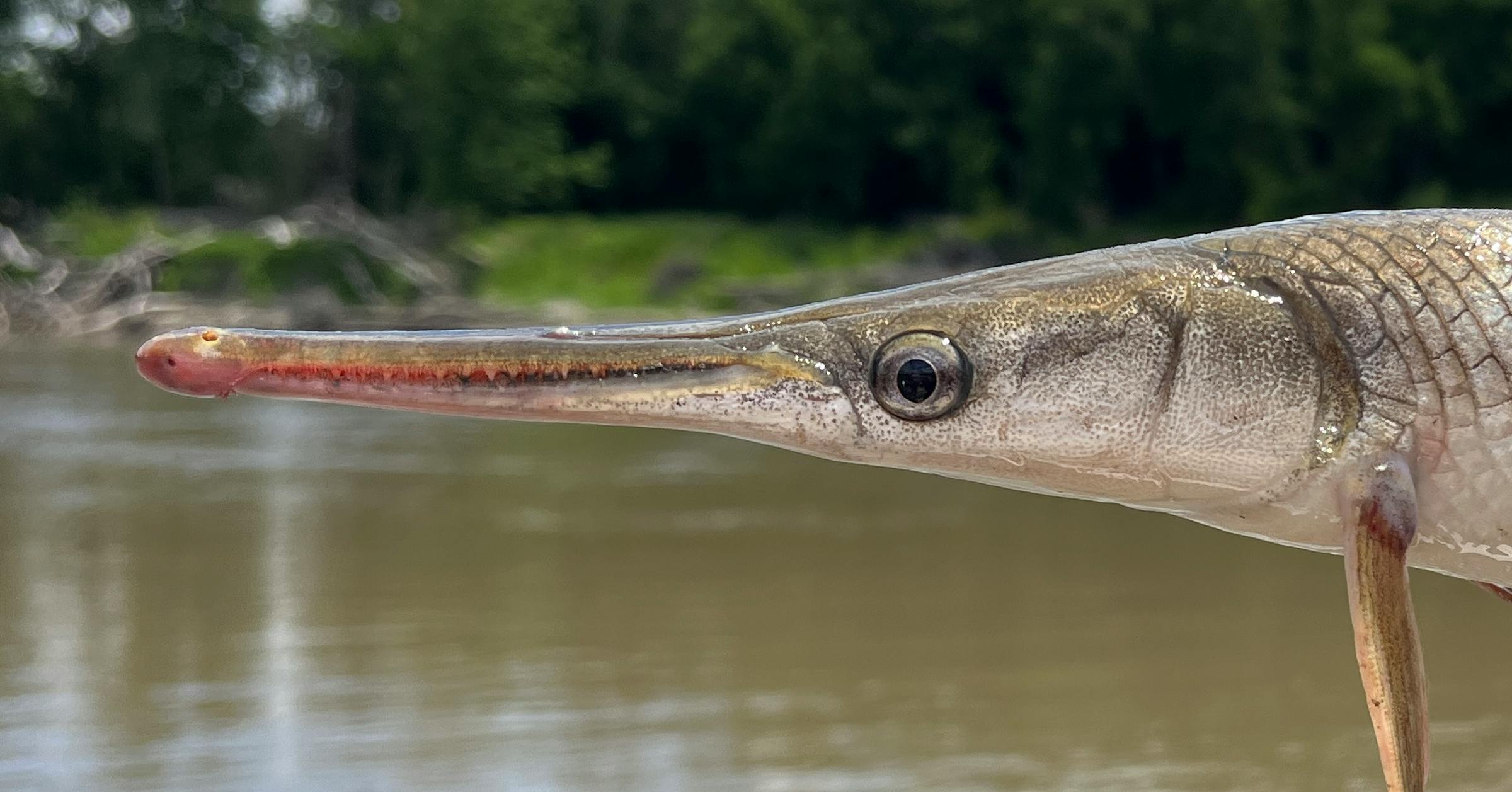
Minnesota's ancient rough fish are vital to the ecosystem, but much remains unknown
Contributing columnist David M. Perry writes about Minnesota's native population of "rough fish" (such as gar, bowfin, and sturgeon) and the
 startribune.com·12d ago
New Dating of White Sands Footprints Confirms Controversial Theory
The article discusses the new dating of footprints found at White Sands National Park in New Mexico, confirming a controversial theory about
arstechnica.com·1y ago
Virus Causes Tentacle-Like Growths in Colorado Rabbits
A group of cottontail rabbits in Fort Collins, Colorado, have developed tentacle-like growths due to a virus, with authorities confirming no
 The Onion·10mo ago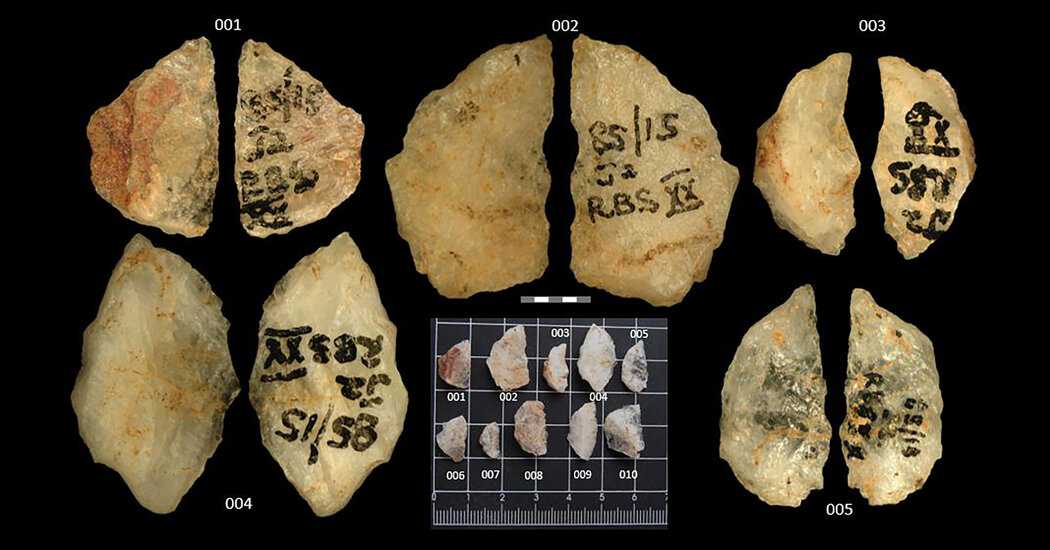
60,000-Year-Old Arrow Tips Reveal Earliest Evidence of Poison Use for Hunting
Researchers have discovered 60,000-year-old poison residues on arrow tips found in South Africa, pushing back the timeline for when humans b
 nytimes.com·5mo ago
Comments
Sign in to join the conversation.
No comments yet. Be the first.