
























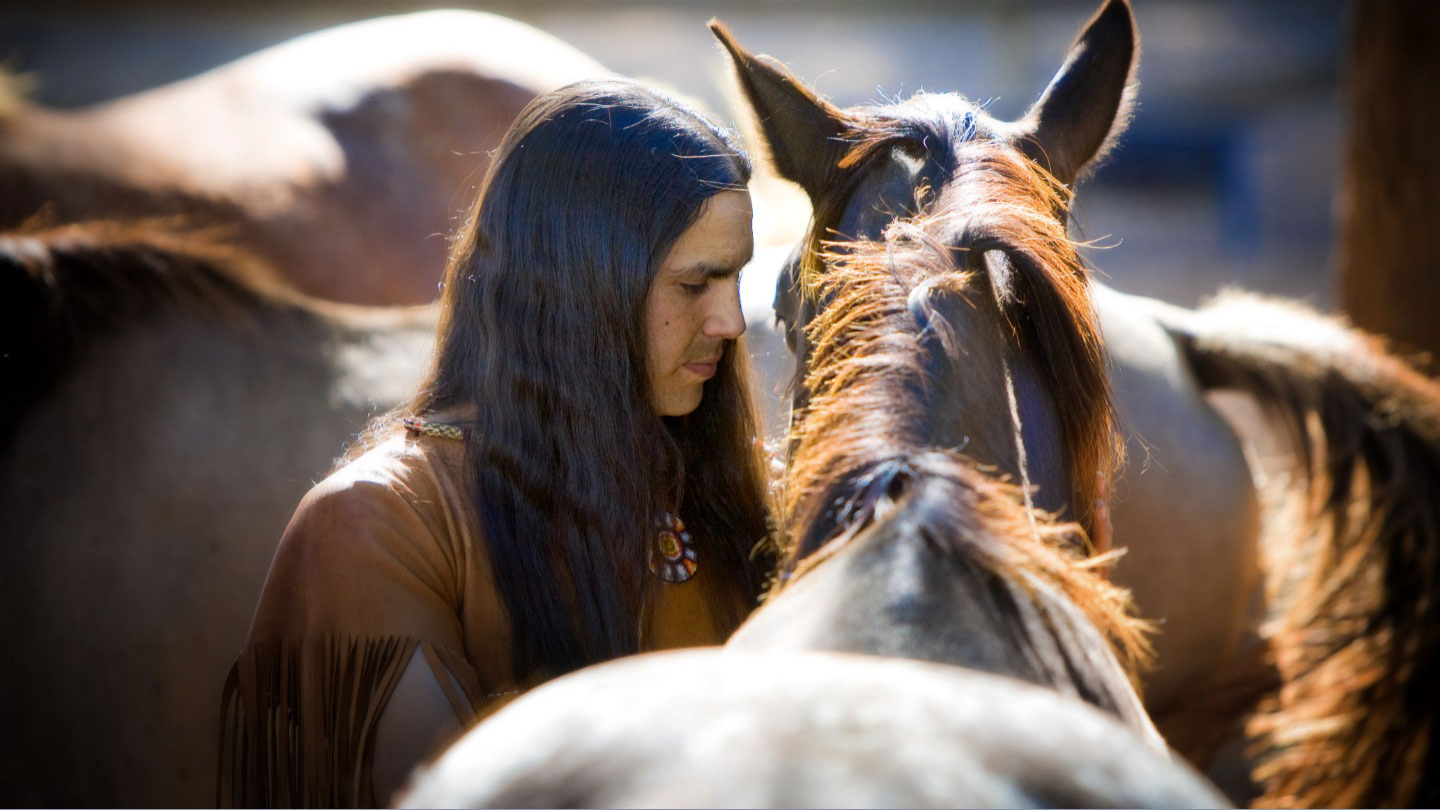
Study confirms Native Americans had Spanish horses in Great Plains by early 1600s, before European arrival
By
Bruce Bower
Summary
A collaboration between Western scientists and Native Americans reveals that Indigenous groups in the Great Plains incorporated horses of Spanish ancestry into their cultures by the early 1600s, decades before Europeans arrived in the region. The research combines archaeological evidence, DNA analysis, and Indigenous oral histories to challenge previous timelines. Some oral traditions suggest an even earlier relationship with horses, possibly dating back to equine survivors of the Ice Age.
Source
 Twitter / XStudy confirms Native Americans had Spanish horses in Great Plains by early 1600s, before European arrivalsciencenews.org
Key quotes
· 3 pulledIndigenous knowledge and Western science have written a new tale about when horses most recently arrived in North America.
Some Indigenous oral histories say their relationship with horses goes back even farther to possible equine survivors of the Ice Age.
A collaboration between Western scientists and Native Americans finds that Indigenous groups rapidly incorporated horses of Spanish ancestry into Great Plains cultures by the early 1600s.
You might also wanna read

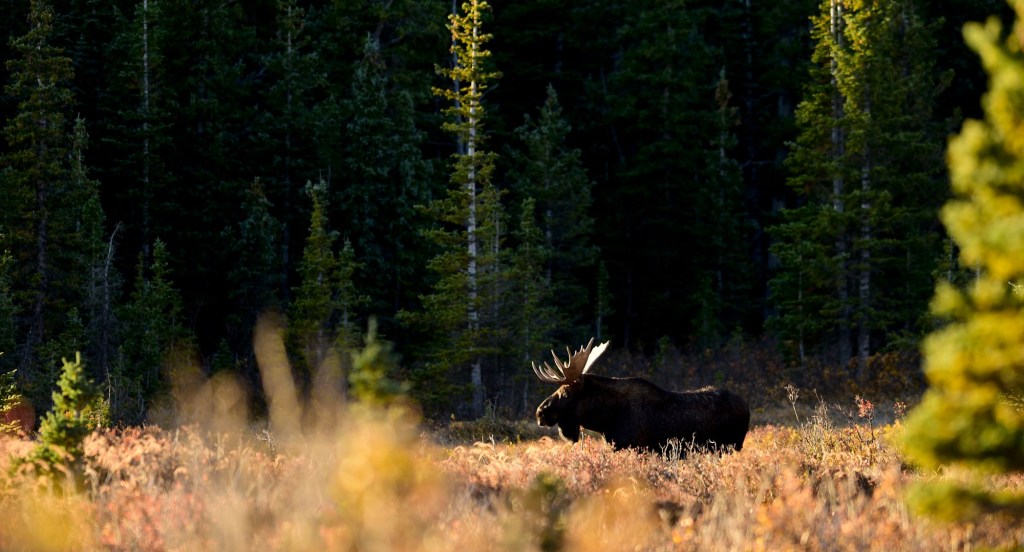
CU Boulder study proves moose are native to Colorado, overturning decades of official belief
A University of Colorado Boulder study has found evidence that moose are native to Colorado, directly contradicting decades of belief by gov
 denverpost.com·9d ago
120,000-year-old fossils reveal dramatic genetic diversity loss in European fallow deer
Researchers analyzed 120,000-year-old fallow deer fossils from the Neumark-Nord site in central Germany, revealing that modern fallow deer p

New Dating of White Sands Footprints Confirms Controversial Theory
The article discusses the new dating of footprints found at White Sands National Park in New Mexico, confirming a controversial theory about
arstechnica.com·1y ago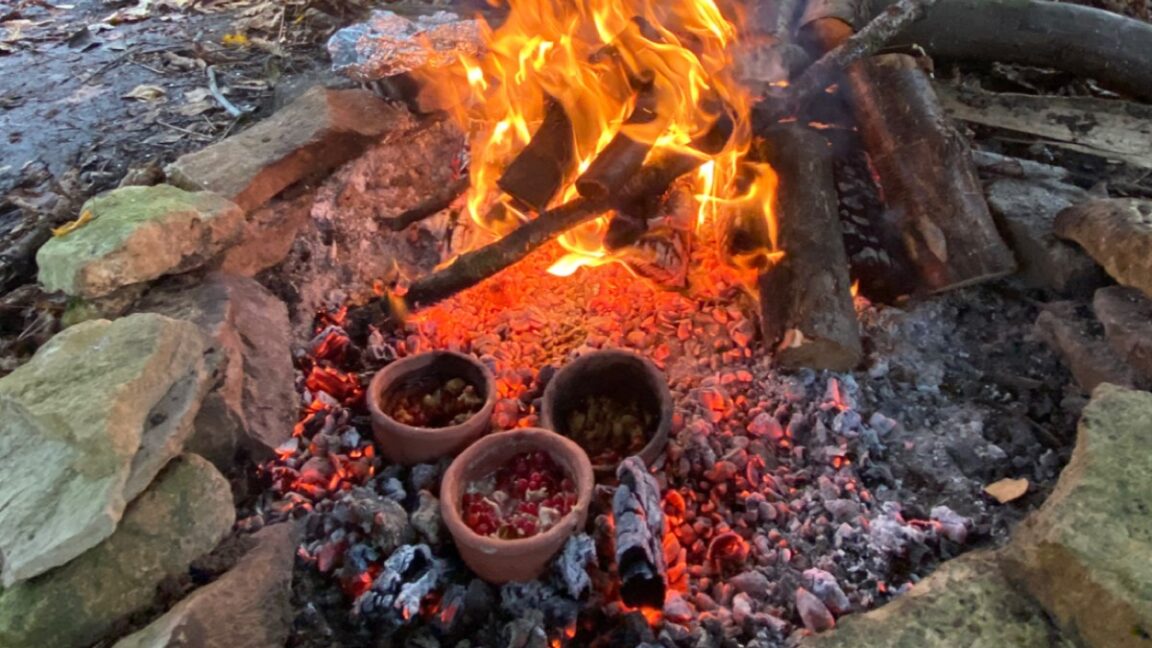
Archaeological Study Reveals Complex Plant-Based Diets of Prehistoric Europeans Through Pottery Residue Analysis
Archaeological research analyzing pottery residues from prehistoric European sites reveals complex plant-based diets and cooking practices.
arstechnica.com·3mo ago
How equine cloning transformed polo in Argentina: The story of Adolfo Cambiaso's cloned champion horses
The article explores how Argentine polo legend Adolfo Cambiaso pioneered the use of equine cloning in polo, transforming the sport by creati
 knowablemagazine.org·27d ago
From Masa to Pan Dulce: The Cultural History of Bread in Mesoamerica and Mexico
This essay traces the deep history of bread in Mesoamerica and Mexico, from pre-Columbian maize-based masa and tortillas to the introduction
 brewminate.com·24d ago
Comments
Sign in to join the conversation.
No comments yet. Be the first.