
























ESO Study Warns Satellite Megaconstellations Could Cripple Ground-Based Astronomy
By
Mark Jackson
Summary
A new study from the European Southern Observatory (ESO) warns that if the number of satellites in low Earth orbit exceeds 100,000 — including those not visible to the naked eye — ground-based astronomical observation could become severely compromised. Satellite streaks are increasingly ruining telescope images, threatening humanity's ability to study the night sky with modern instruments.
Source

 bskyESO Study Warns Satellite Megaconstellations Could Cripple Ground-Based Astronomyispreview.co.uk
Key quotes
· 3 pulledA significant new study, which was conducted by astronomers from the European Southern Observatory (ESO), has warned that if the number of satellites in Earth's orbit exceeds 100,000 (i.e. those with below naked eye visibility) then the human race may lose its ability observe the night sky with modern telescopes.
The issue of satellite streaks appearing in astronomical photos taken from telescopes on the ground has been steadily increasing over the past few years as the number of satellites continues to grow.
Astronomy is under threat like never before.
You might also wanna read

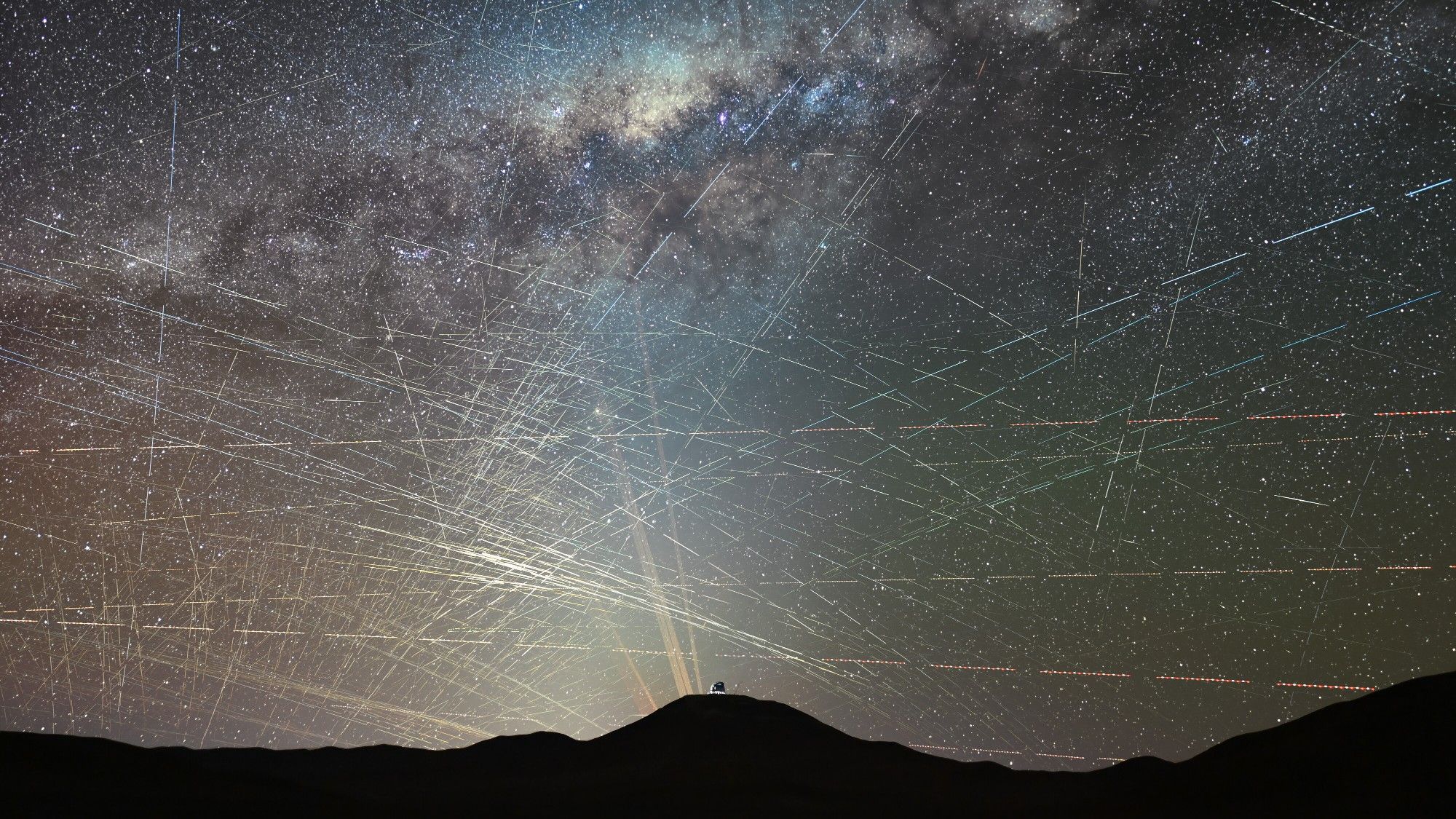
ESO study warns satellite mega-constellations could render ground-based astronomy obsolete
A study by astronomers from the European Southern Observatory (ESO) warns that if the number of satellites in Earth's orbit exceeds 100,000
 space.com·3d ago
ESO study warns satellite mega-constellations could render ground-based astronomy obsolete
A study by astronomers from the European Southern Observatory (ESO) warns that if the number of satellites in Earth's orbit exceeds 100,000
Space·3d ago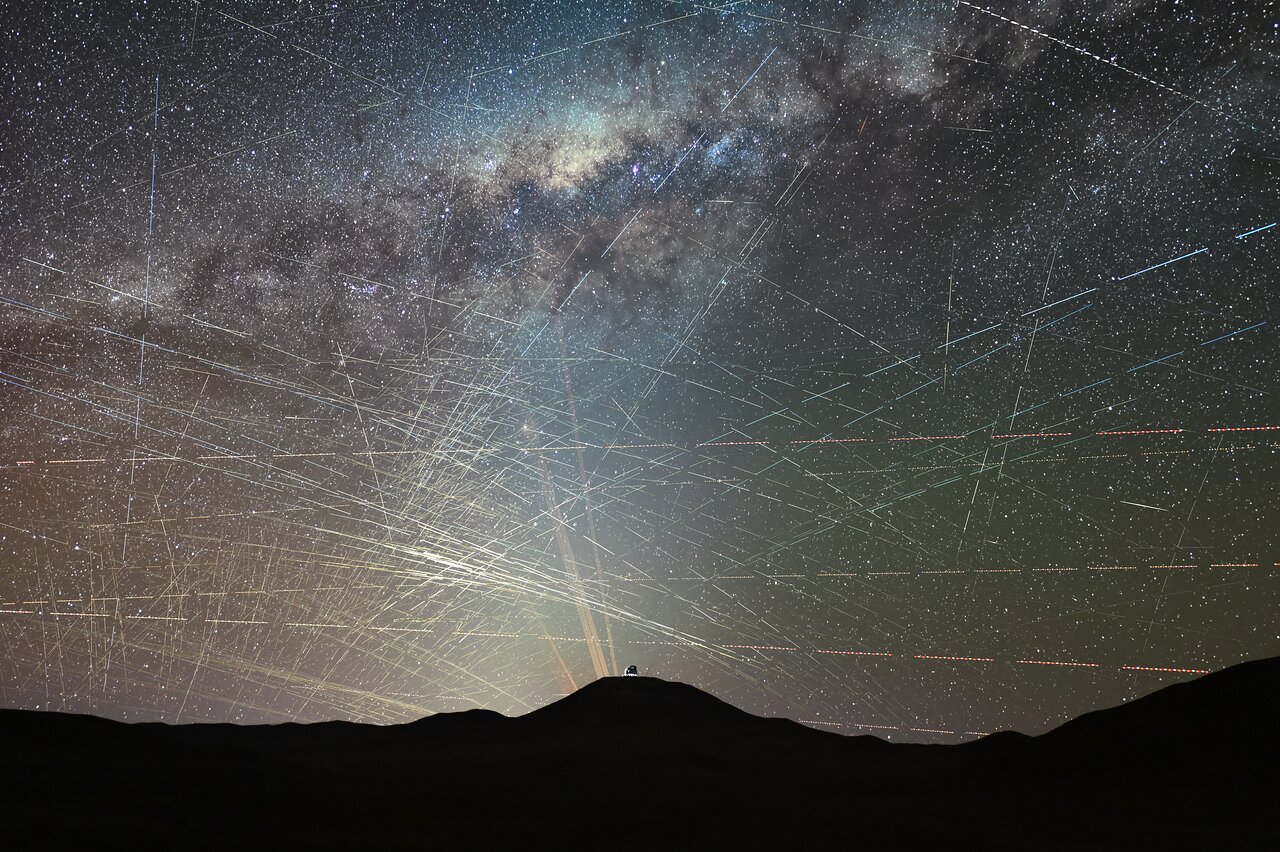
ESO study warns 1.7 million satellites would devastate astronomy, recommends limit of 100,000
A new European Southern Observatory (ESO) study warns that proposals to launch over 1.7 million satellites into orbit, including extremely b
 eso.org·10h ago
ESO study warns 1.7 million satellites would devastate astronomy, recommends limit of 100,000
A new European Southern Observatory (ESO) study warns that proposals to launch over 1.7 million satellites into orbit, including extremely b
eso.org·10h ago
Scientists raise concerns over SpaceX's proposal to launch one million satellites, citing risks to night sky, space access, and atmosphere
Scientists are raising alarms about SpaceX's proposal to launch up to one million satellites into Earth orbit. The concerns center on three
 CBC·1mo ago
Machine Learning Validates Unrecognized Transient Astronomical Phenomena in Historical Observatory Images
This research paper uses machine learning to validate the existence of previously unrecognized transient astronomical phenomena in historica
 arxiv.org·2mo ago
Vera C. Rubin Observatory Set to Discover Millions of Asteroids and Transient Phenomena in Big-Data Astronomy Era
The Vera C. Rubin Observatory in Chile is preparing to begin operations, designed to capture the entire Southern Hemisphere night sky every
 quantamagazine.org·1mo ago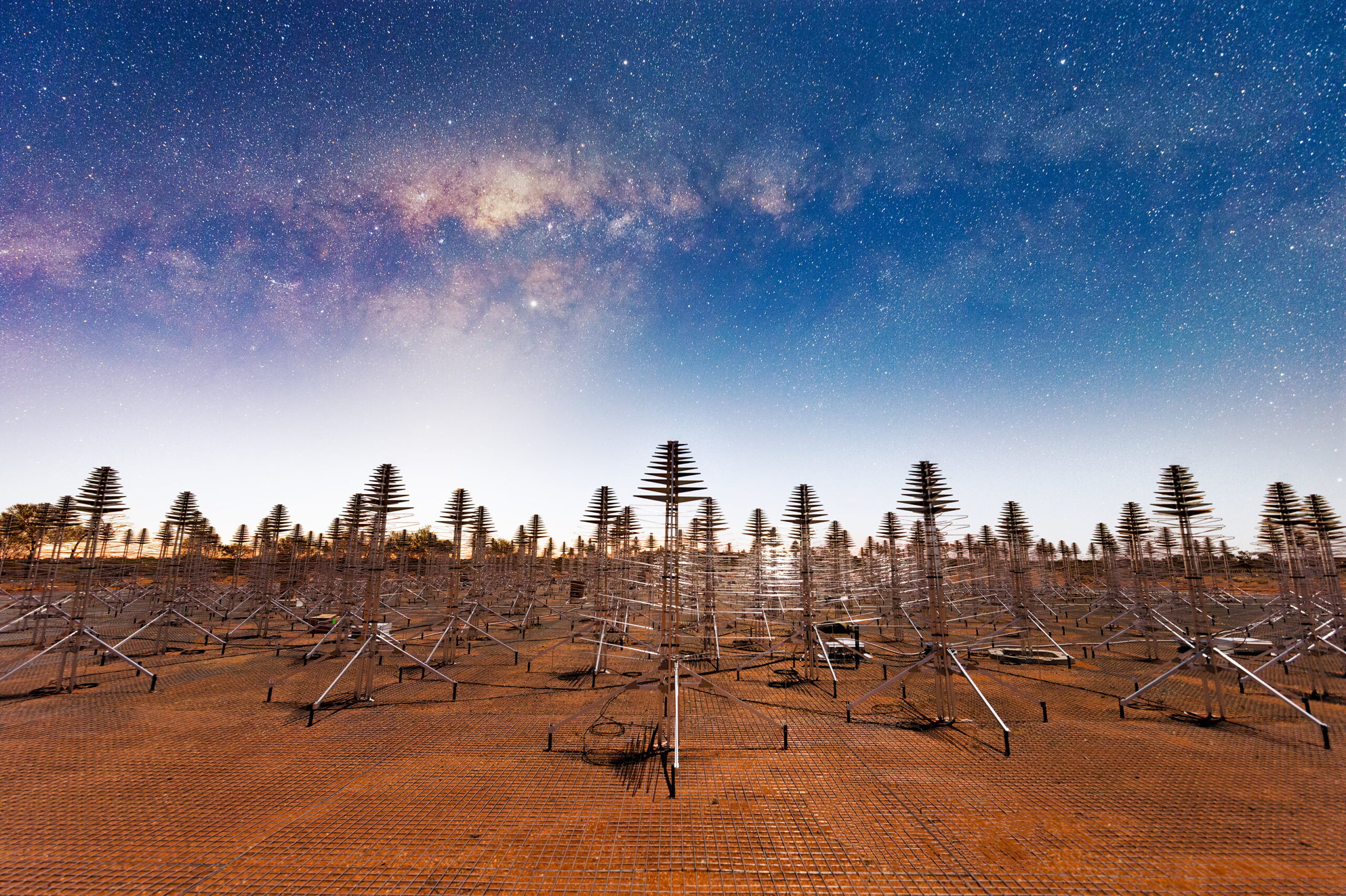
Study Reveals Starlink Satellite Emissions Disrupt SKA-Low Frequency Radio Astronomy
The article discusses the unintended impact of Starlink satellite broadband emissions on radio astronomy, particularly in the SKA-Low freque
 astrobites.org·10mo ago
Comments
Sign in to join the conversation.
No comments yet. Be the first.