





















Study Reveals Starlink Satellite Emissions Disrupt SKA-Low Frequency Radio Astronomy
By
aragilar

Toasted golden, schmeared with insight. Top of the rack.
Summary
The article discusses the unintended impact of Starlink satellite broadband emissions on radio astronomy, particularly in the SKA-Low frequency range. Authored by Dylan Grigg et al., the study is one of the most comprehensive analyses of satellite interference at low radio frequencies. It highlights the growing challenges faced by astronomers due to the increasing number of satellites in orbit.
Key quotes
· 3 pulled"One of the most comprehensive studies of satellite interference at low radio frequencies so far."
"The growing impact of unintended Starlink broadband emission on radio astronomy in the SKA-Low frequency range."
"Nearly 1 in 3 Starlink satellites detected within the SKA-Low frequency band."
You might also wanna read


Earth's Expanding Radio Bubble: How Humanity's Signals Are Reaching the Cosmos
This article explores the concept of Earth's "radio bubble" — a sphere of electromagnetic radiation expanding outward at the speed of light
 thescientificdrop.com·13d ago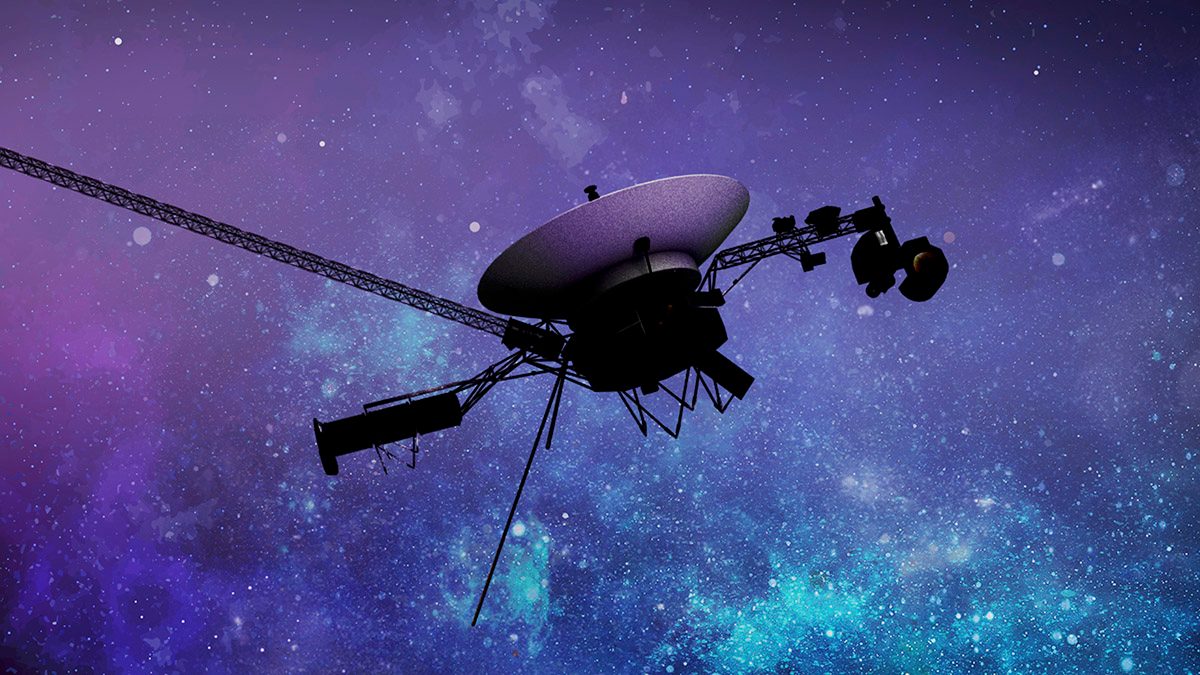
Voyager 1 to reach one light-day from Earth by November 2026
Voyager 1, the farthest human-made object in existence since 1998, is approaching a major milestone: on or around November 13, 2026, it will
 skyatnightmagazine.com·16h ago
Environmental consequences of rocket launch failures and spaceport pollution
The article examines the environmental consequences of space launches, particularly when rockets fail. It highlights the destruction caused
 bbc.com·17h ago
Report warns electromagnetic moon catapults could serve as first-strike weapons
A new report examines the strategic and security implications of placing electromagnetic mass drivers (essentially railguns) on the moon. Wh
 space.com·1d ago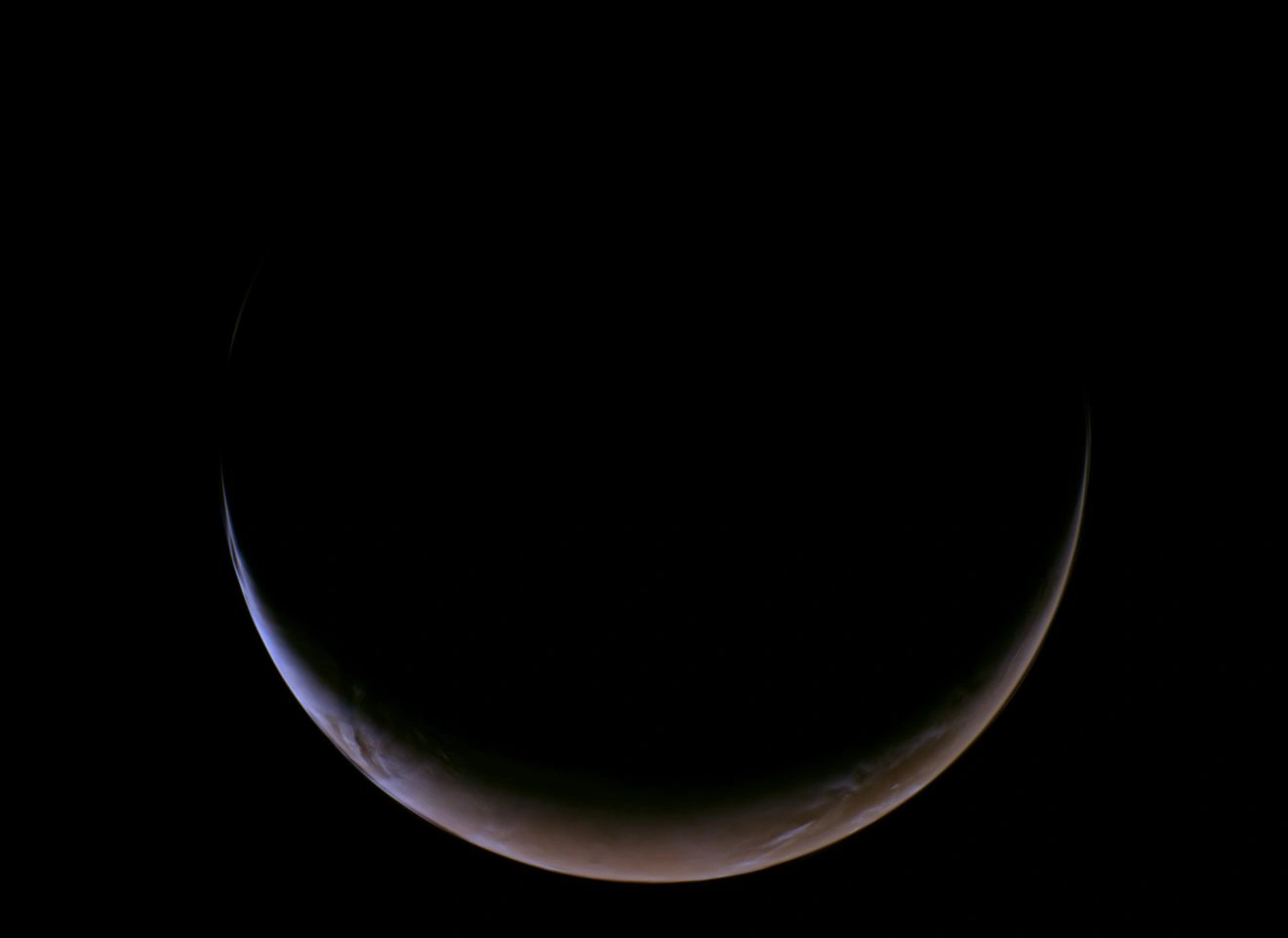
NASA's Psyche Mission Captures Stunning Mars Images During Gravity-Assist Flyby
NASA's Psyche asteroid mission performed a successful gravity-assist flyby of Mars on its way to the asteroid Psyche. The spacecraft used Ma
 skyandtelescope.org·4d ago
August 12, 2026 Total Solar Eclipse: Path and Viewing Safety Guide
The August 12, 2026 total solar eclipse will be visible across the Arctic Ocean, Greenland, Iceland, Atlantic Ocean, Portugal, and northern
 nso.edu·4d ago