
























ESO study warns 1.7 million satellites would devastate astronomy, recommends limit of 100,000
By
[email protected]
Summary
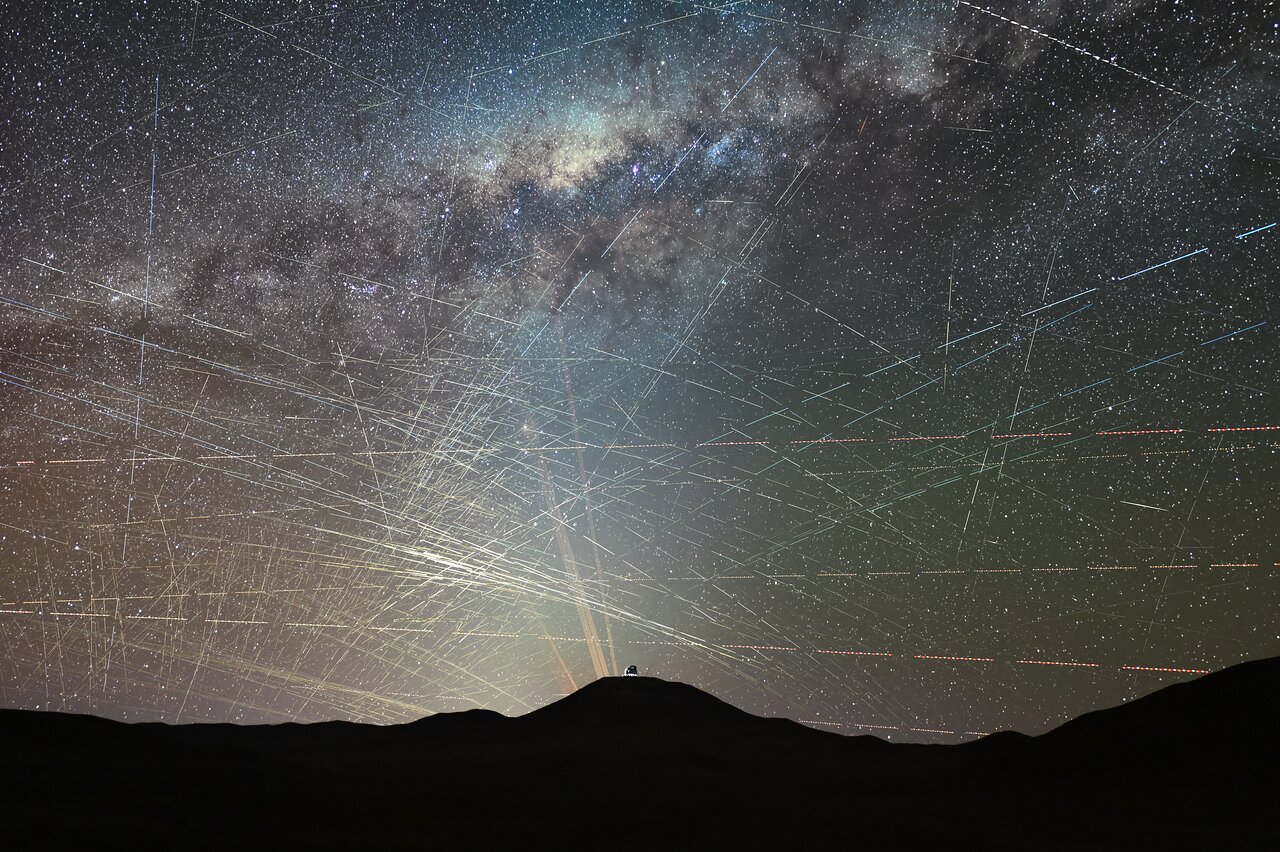
A new European Southern Observatory (ESO) study warns that proposals to launch over 1.7 million satellites into orbit, including extremely bright ones, would have "devastating consequences for astronomy." The study is the first to compute how large and bright satellite constellations would affect astronomical observations by making the night sky brighter. It recommends that no more than 100,000 faint satellites (below naked-eye visibility) should orbit Earth to safeguard modern telescope observations. The research also notes concerns about impacts on health and the environment from these satellite megaconstellations.
Source
 Hacker NewsESO study warns 1.7 million satellites would devastate astronomy, recommends limit of 100,000eso.org
Key quotes
· 3 pulleddevastating consequences for astronomy
no more than 100 000 faint satellites, below naked eye visibility, should orbit Earth
Beyond the limit
You might also wanna read


ESO Study Warns Satellite Megaconstellations Could Cripple Ground-Based Astronomy
A new study from the European Southern Observatory (ESO) warns that if the number of satellites in low Earth orbit exceeds 100,000 — includi
 ispreview.co.uk·1d ago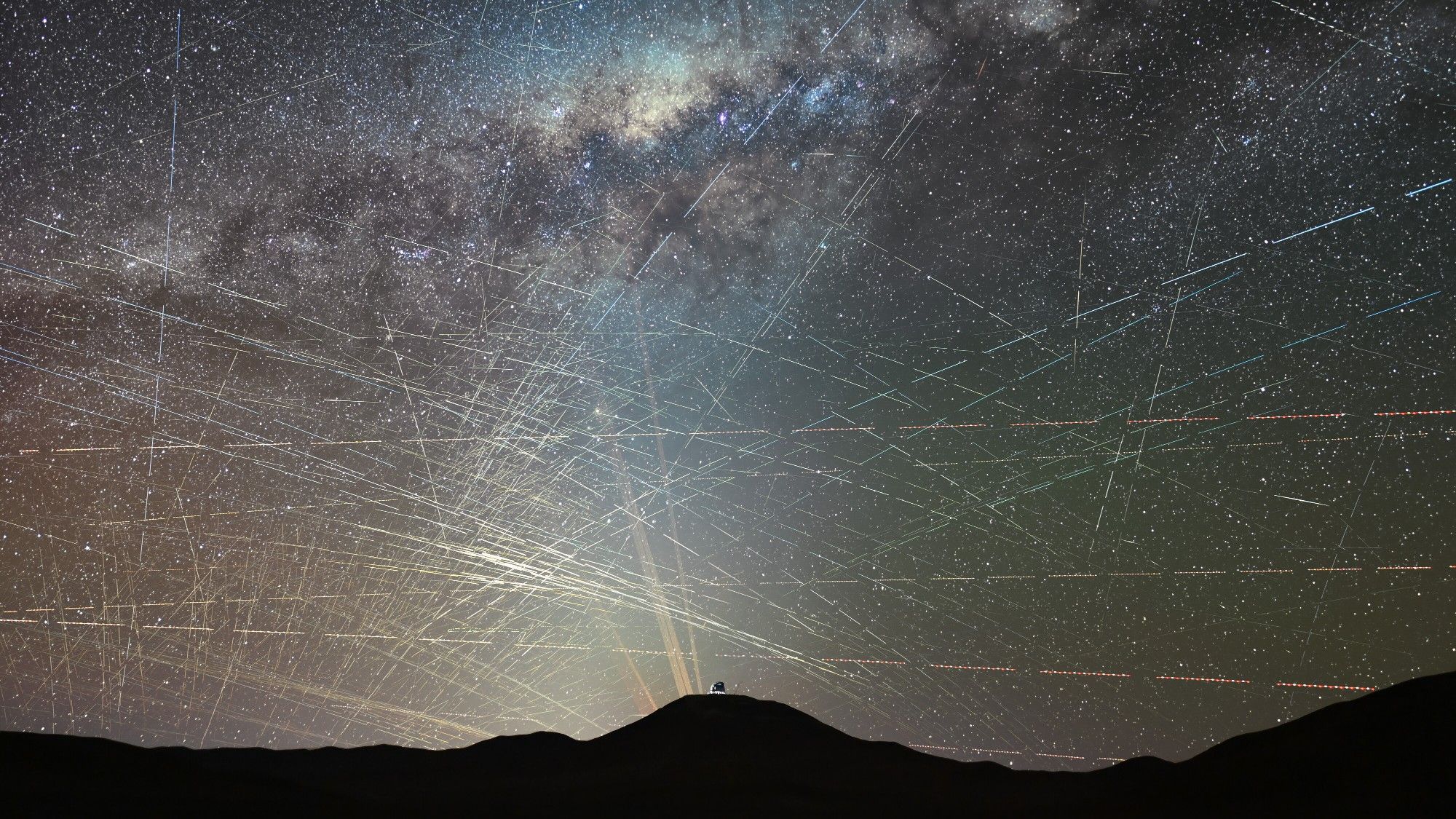
ESO study warns satellite mega-constellations could render ground-based astronomy obsolete
A study by astronomers from the European Southern Observatory (ESO) warns that if the number of satellites in Earth's orbit exceeds 100,000
 Space·3d ago
ESO study warns satellite mega-constellations could render ground-based astronomy obsolete
A study by astronomers from the European Southern Observatory (ESO) warns that if the number of satellites in Earth's orbit exceeds 100,000
space.com·3d ago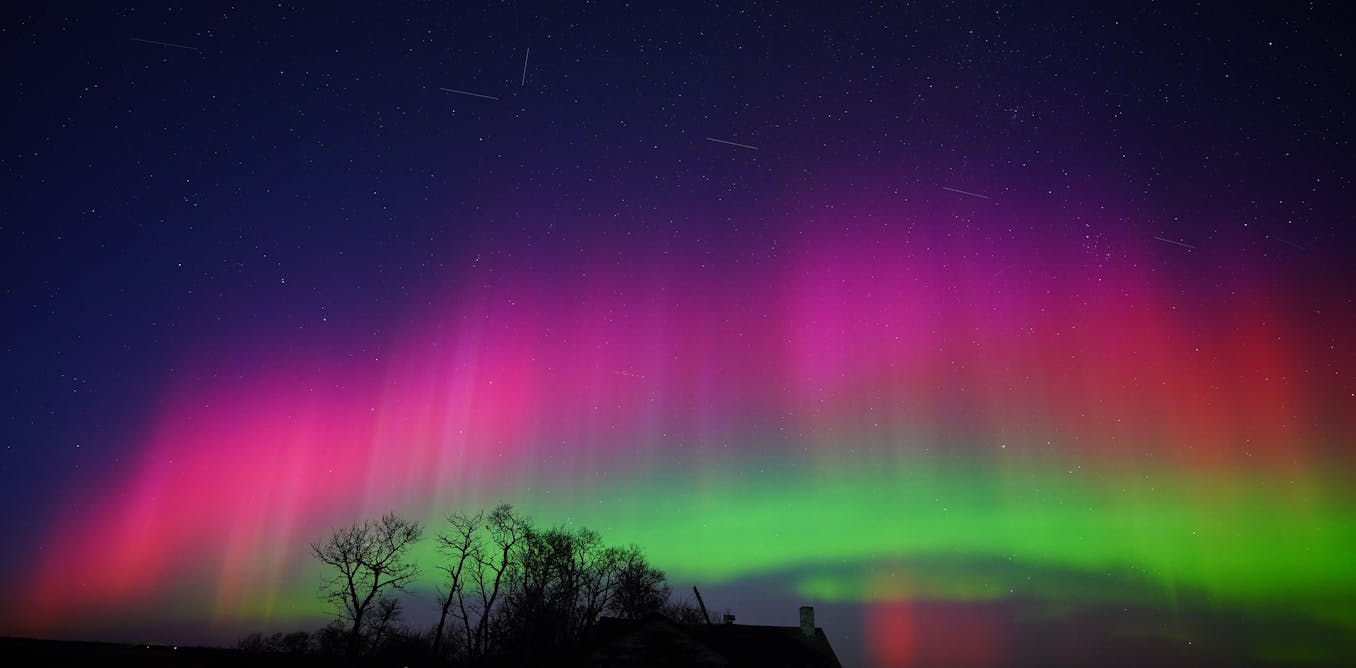
SpaceX's plan for one million new Starlink satellites threatens night sky visibility and astronomy
SpaceX plans to launch one million new Starlink satellites as orbital data centers for AI computing, adding to the 10,000+ already in orbit.
 theconversation.com·19d ago
An astrophotographer's surprise: Fewer satellites visible than expected under dark skies
An astrophotographer recounts a surprising experience at Saguaro National Park during a new moon, expecting the night sky to be ruined by th
 darksky.org·20d ago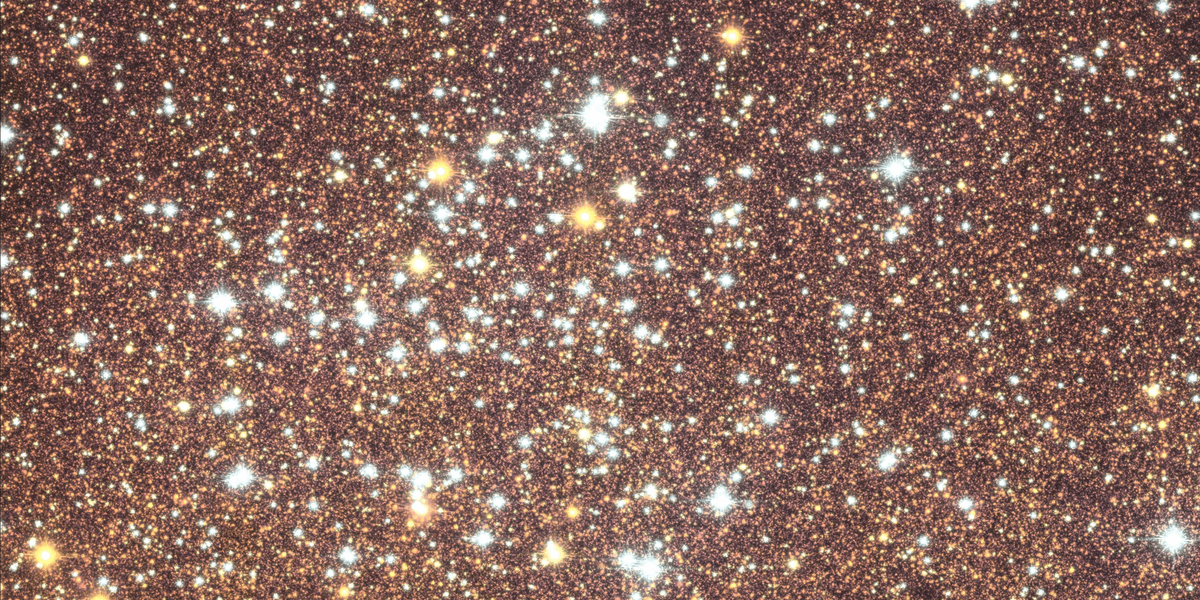
Euclid telescope captures most detailed visible-light image of Milky Way's centre, revealing 60 million stars
The European Space Agency's Euclid space telescope, originally designed to study dark energy and dark matter, has captured the most detailed
 gbnews.com·10d ago
ESA approves €320 million ARRAKIHS telescope to map faint galactic halos and stellar streams
The European Space Agency (ESA) has approved a new €320 million space telescope called ARRAKIHS, set to launch on 10 June, to study the fain
 scim.ag·12d ago
Comments
Sign in to join the conversation.
No comments yet. Be the first.