

























An astrophotographer's surprise: Fewer satellites visible than expected under dark skies
By
By Ruskin Hartley
Summary
An astrophotographer recounts a surprising experience at Saguaro National Park during a new moon, expecting the night sky to be ruined by thousands of active satellites from megaconstellations. Instead, they saw only three satellites with the naked eye and captured just nine in over 100 long-exposure frames, challenging assumptions about the visible impact of satellite megaconstellations on astrophotography.
Source
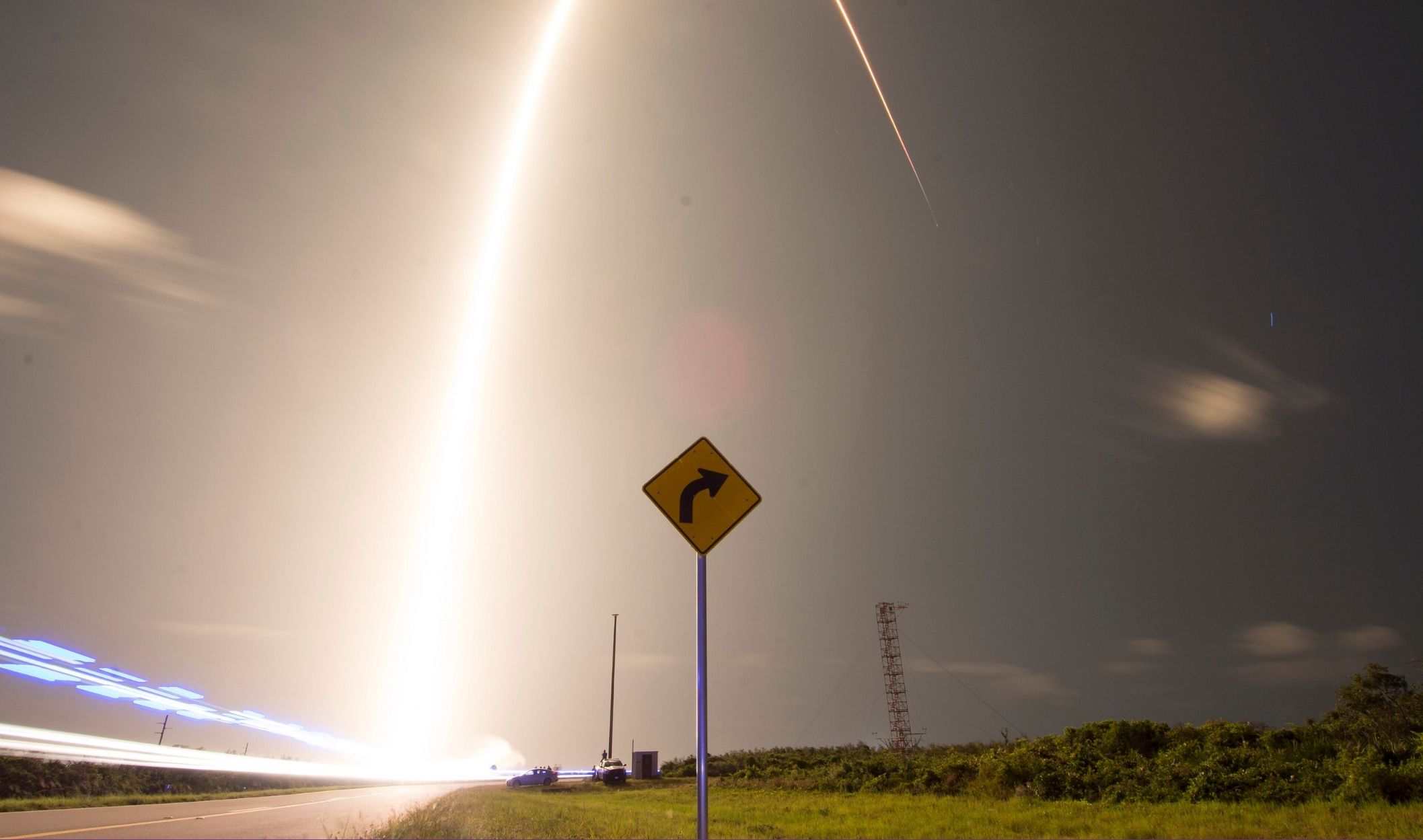
 bskyAn astrophotographer's surprise: Fewer satellites visible than expected under dark skiesdarksky.org
Key quotes
· 3 pulledKnowing that there are now approximately 15,000 active satellites orbiting overhead, I braced myself for an astrophotographer's nightmare—a sky permanently crisscrossed by artificial streaks.
Instead, I saw exactly three satellites with my naked eye.
Even more surprising, in the 100-plus long-exposure frames I shot, my camera picked up a mere nine satellites in total.
You might also wanna read

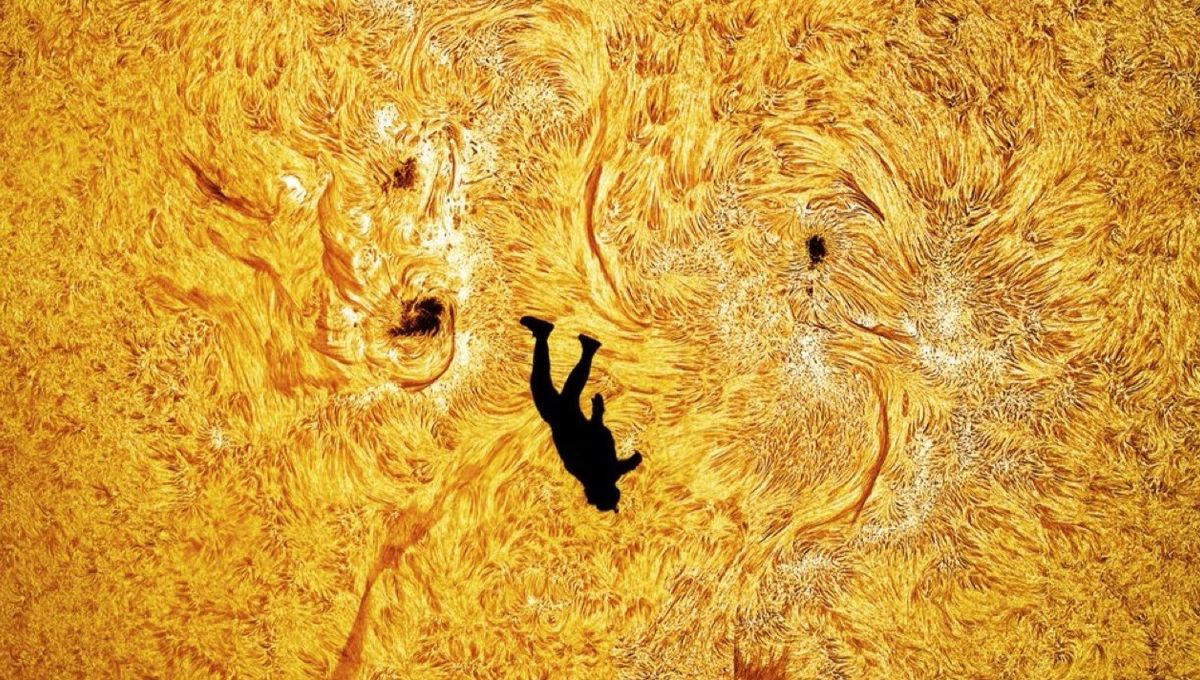
Astrophotographer Captures Skydiver Silhouetted Against the Sun in Unique Photo
An astrophotographer captured a remarkable photo of a skydiver falling in front of the Sun, creating an image reminiscent of the mythologica
 iflscience.com·7mo ago
Scientists raise concerns over SpaceX's proposal to launch one million satellites, citing risks to night sky, space access, and atmosphere
Scientists are raising alarms about SpaceX's proposal to launch up to one million satellites into Earth orbit. The concerns center on three
 CBC·1mo ago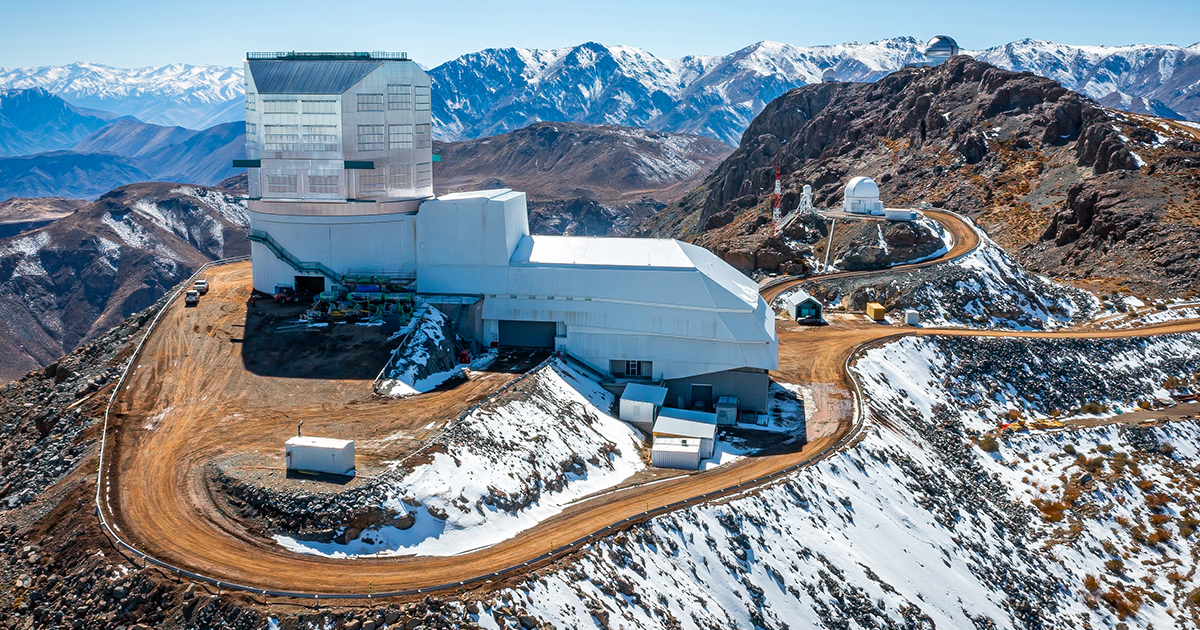
Vera C. Rubin Observatory Set to Discover Millions of Asteroids and Transient Phenomena in Big-Data Astronomy Era
The Vera C. Rubin Observatory in Chile is preparing to begin operations, designed to capture the entire Southern Hemisphere night sky every
 quantamagazine.org·20d ago
NASA Dumps 12,000+ Artemis Photos Online; Here Are The Best From The Collection
The article discusses NASA's release of 12,217 new photos from the Artemis mission, criticizing the poor organization and accessibility of t
 Defector·1mo ago
Machine Learning Validates Unrecognized Transient Astronomical Phenomena in Historical Observatory Images
This research paper uses machine learning to validate the existence of previously unrecognized transient astronomical phenomena in historica
 arxiv.org·1mo ago
Vera C. Rubin Observatory's 3.2-Billion-Pixel Camera Captures First Image of 10 Million Galaxies
Tony Tyson, a cosmologist, unveils the first image from the Vera C. Rubin Observatory's 3.2-billion-pixel digital camera — the largest ever
quantamagazine.org·11mo ago