

























Skin inflammation as a sentinel marker for neurodegeneration: Chronic skin disorders may signal dementia risk in older adults
By
Yue Han 1 2 ,
Summary
This article discusses the emerging link between chronic inflammatory skin conditions and dementia risk in older adults. It highlights that skin disorders such as bullous pemphigoid (BP), herpes zoster (HZ), psoriasis, atopic dermatitis (AD), rosacea, prurigo nodularis (PN), and chronic pruritus may serve as early signals or amplifiers of neuroimmune vulnerability. The article argues that the skin acts as a "sentinel organ" for neurodegeneration and that addressing these modifiable systemic inflammatory stressors could be an underrecognized target for dementia prevention.
Source

 Twitter / XSkin inflammation as a sentinel marker for neurodegeneration: Chronic skin disorders may signal dementia risk in older adultspubmed.ncbi.nlm.nih.gov
Key quotes
· 3 pulledDementia prevention increasingly requires attention to modifiable systemic inflammatory stressors.
In older adults, bullous pemphigoid (BP), herpes zoster (HZ), psoriasis, atopic dermatitis (AD), rosacea, prurigo nodularis (PN), and chronic pruritus are not merely disorders limited to the skin; they may signal or amplify neuroimmune vulnerability.
Observational studies link BP with dementia and Alzheimer
You might also wanna read


Shingles Vaccination Reduces Mild Cognitive Impairment and Dementia-Related Deaths, Study Finds
A natural experiment study found that herpes zoster (shingles) vaccination reduces the occurrence of mild cognitive impairment and deaths du
AI-powered blood test distinguishes between four major neurodegenerative diseases causing dementia
Researchers have developed an AI-powered classifier that uses a simple blood test to distinguish between four major neurodegenerative diseas
 flip.it·21d ago
Senolytic treatment linked to oligodendrocyte dysfunction and demyelination in brain study
This scientific research article investigates the effects of senolytic treatment (dasatinib and quercetin combination) on the corpus callosu
 pnas.org·20d ago
Experimental blood test detects multiple dementia types with 92% accuracy
Researchers have developed an experimental blood test that measures 15 proteins to help diagnose four major neurodegenerative diseases — Alz
 sciencenews.org·16h ago
Experimental blood test detects multiple dementia types with 92% accuracy
Researchers have developed an experimental blood test that measures 15 proteins to help diagnose four major neurodegenerative diseases — Alz
sciencenews.org·16h agoExperimental blood test detects multiple dementia types with 92% accuracy
Researchers have developed an experimental blood test that measures 15 proteins to help diagnose four major neurodegenerative diseases — Alz
sciencenews.org·16h ago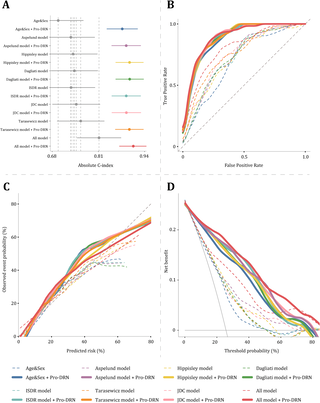
Plasma proteomic signatures enable risk prediction of early retinal neurodegeneration in type 2 diabetes
This multi-cohort prospective observational study by Wei Wang and colleagues investigates circulating plasma protein signatures associated w
 plos.io·13d ago
The Unintended Harms of Alzheimer's Biomarker Testing: Why Amyloid Isn't a Diagnosis
This article critically examines the growing trend of Alzheimer's Disease biomarker testing, arguing that testing for amyloid plaques does n
 abpp.org·15d ago