

























The Unintended Harms of Alzheimer's Biomarker Testing: Why Amyloid Isn't a Diagnosis
By
https://facebook.com/getABPP/
Summary
This article critically examines the growing trend of Alzheimer's Disease biomarker testing, arguing that testing for amyloid plaques does not equate to diagnosing Alzheimer's Disease. It highlights that many individuals with amyloid buildup never develop dementia (citing cognitive reserve research showing 25-67% of those meeting autopsy criteria were nondemented). The article warns about the unintended harms of biomarker testing, including psychological distress, stigma, discrimination, and unnecessary treatments. It also discusses how families may struggle with these diagnoses in a digital era where information spreads rapidly, and suggests psychologists can help patients and families navigate the uncertainty and emotional impact of biomarker results.
Source

 bskyThe Unintended Harms of Alzheimer's Biomarker Testing: Why Amyloid Isn't a Diagnosisabpp.org
Key quotes
· 3 pulledFor the first time in history, the dementias are being marketed directly to the public as having a simple diagnostic answer.
What is not nearly as well known is Stern's insights about cognitive reserve that demonstrated that 25% to 67% of individuals meeting autopsy criteria for AD were nondemented.
Families may struggle to cope with abuse in a digital era. Psychologists can help.
You might also wanna read
Newborns have elevated levels of a biomarker for Alzheimer's


Skin inflammation as a sentinel marker for neurodegeneration: Chronic skin disorders may signal dementia risk in older adults
This article discusses the emerging link between chronic inflammatory skin conditions and dementia risk in older adults. It highlights that
 pubmed.ncbi.nlm.nih.gov·2d ago
Why Has There Been So Little Progress on Alzheimer's Disease?
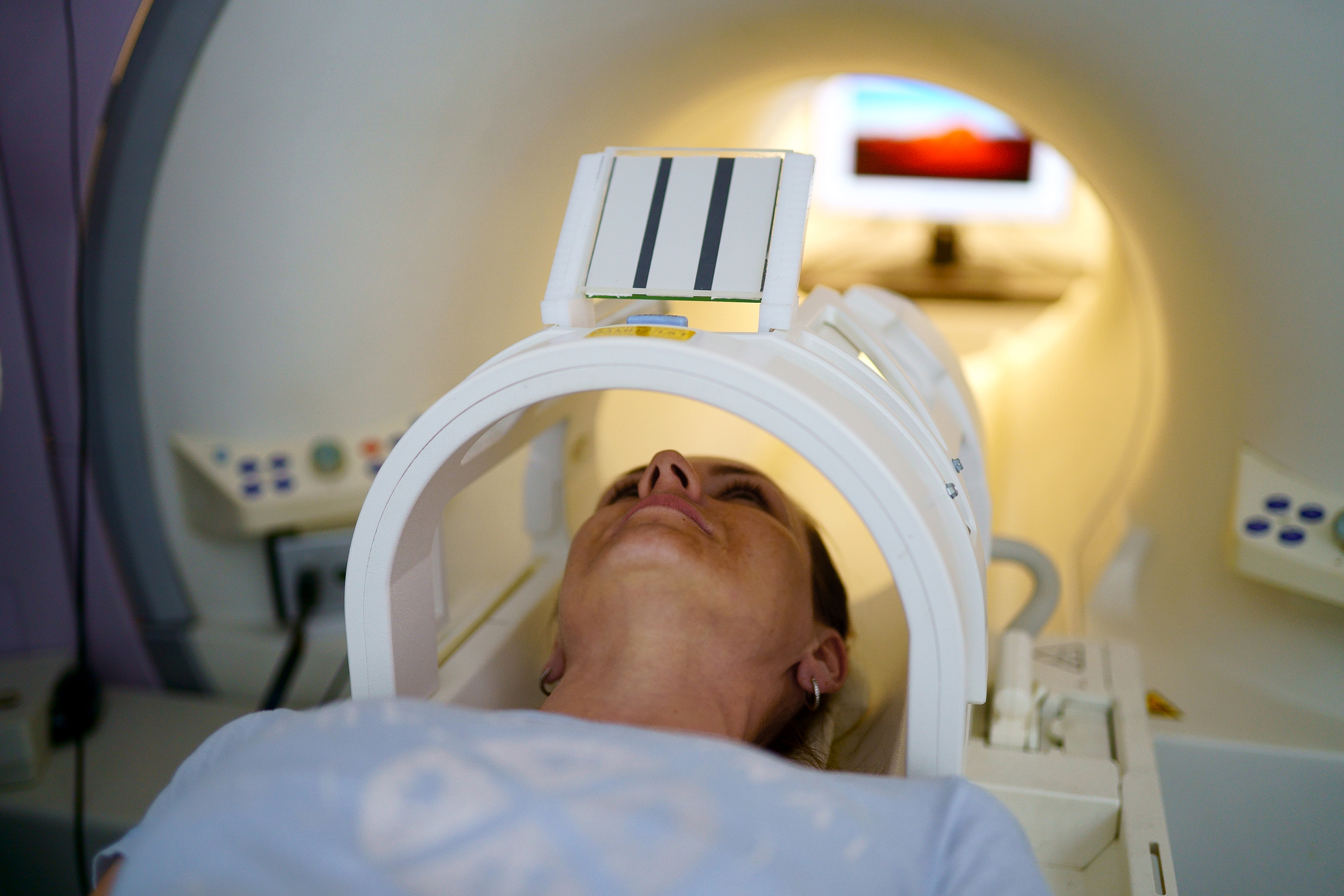
New MRI-Based Biomarker Predicts Aging and Disease Risks
Researchers from Duke University, Harvard University, and the University of Otago have developed DunedinPACNI, a noninvasive MRI-based bioma
 insideprecisionmedicine.com·10mo ago
Three-Minute Home Test Shows Promise for Early Alzheimer's Detection Years Before Traditional Diagnosis
Researchers have developed a three-minute take-home test called 'Fastball' that can identify symptoms linked to Alzheimer's disease years be
 smithsonianmag.com·9mo ago