
























Intestinal IgA found necessary and sufficient for clearing norovirus in mouse model
By
Craig B. Wilen
Summary
This study investigates the immune mechanisms required to clear norovirus infection using a murine model. The researchers found that intestinal immunoglobulin A (IgA) is both necessary and sufficient for clearing norovirus in mice, highlighting a critical role for mucosal IgA in antiviral defense. The findings have important translational implications for developing vaccines against human norovirus, which remains the leading cause of viral gastroenteritis worldwide and poses particular risks to infants, older adults, and immunocompromised individuals.
Source

 bskyIntestinal IgA found necessary and sufficient for clearing norovirus in mouse modelscience.org
Key quotes
· 3 pulledIgA is necessary and sufficient to prevent norovirus infection in mice
Human norovirus is the leading cause of viral gastroenteritis, yet effective vaccines and therapeutics remain elusive
The authors found that intestinal IgA in particular was both necessary and sufficient for clearance of norovirus in mice
You might also wanna read


Stanford Researchers Develop Universal Vaccine Formula Protecting Mice Against Respiratory Viruses, Bacteria, and Allergens
Stanford Medicine researchers have developed a universal vaccine formula that protects mice against a wide range of respiratory viruses, bac
 med.stanford.edu·3mo ago
BEACON nanoparticles show promise as mucosal vaccine adjuvant for genital herpes
This article describes the development of BEACONs (Bioactive Enhanced Adjuvant Chemokine Oligonucleotide Nanoparticles), a novel adjuvant fo
 scim.ag·1d ago
BEACONs: A novel nanoparticle adjuvant approach for mucosal vaccination against genital herpes
This article presents research on a novel adjuvant called BEACONs (Bioactive Enhanced Adjuvant Chemokine Oligonucleotide Nanoparticles) deve
scim.ag·1d ago
Japanese Researchers Discover Frog Gut Bacteria with Potent Anticancer Properties
Japanese researchers at JAIST have discovered that Ewingella americana bacteria from Japanese tree frog intestines shows potent anticancer a
 jaist.ac.jp·6mo ago
Cell- and tissue-specific regulation of immune responses by IL-17 cytokine signaling
This article reviews recent advances in understanding the cell- and tissue-specific activities of IL-17 family cytokines, which are central
scim.ag·7d ago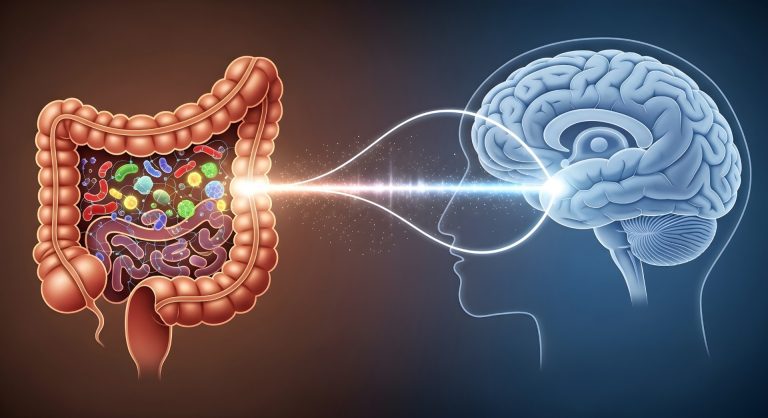
Stanford Study: Restoring Gut-Brain Communication Reverses Cognitive Decline in Aging Mice
Stanford Medicine researchers discovered that aging-related changes in gut bacteria composition trigger an inflammatory response that impair
med.stanford.edu·3mo agoComments
Sign in to join the conversation.
No comments yet. Be the first.