
























Study suggests Homo floresiensis scavenged Komodo dragon leftovers rather than hunting
By
Jake Buehler
Summary
New analysis of bones found with Homo floresiensis ("hobbits") remains on the Indonesian island of Flores suggests these ancient hominids scavenged food from Komodo dragon kills rather than actively hunting small elephant relatives (Stegodon). This challenges previous assumptions about the behavior and capabilities of our tiny extinct relatives.
Source
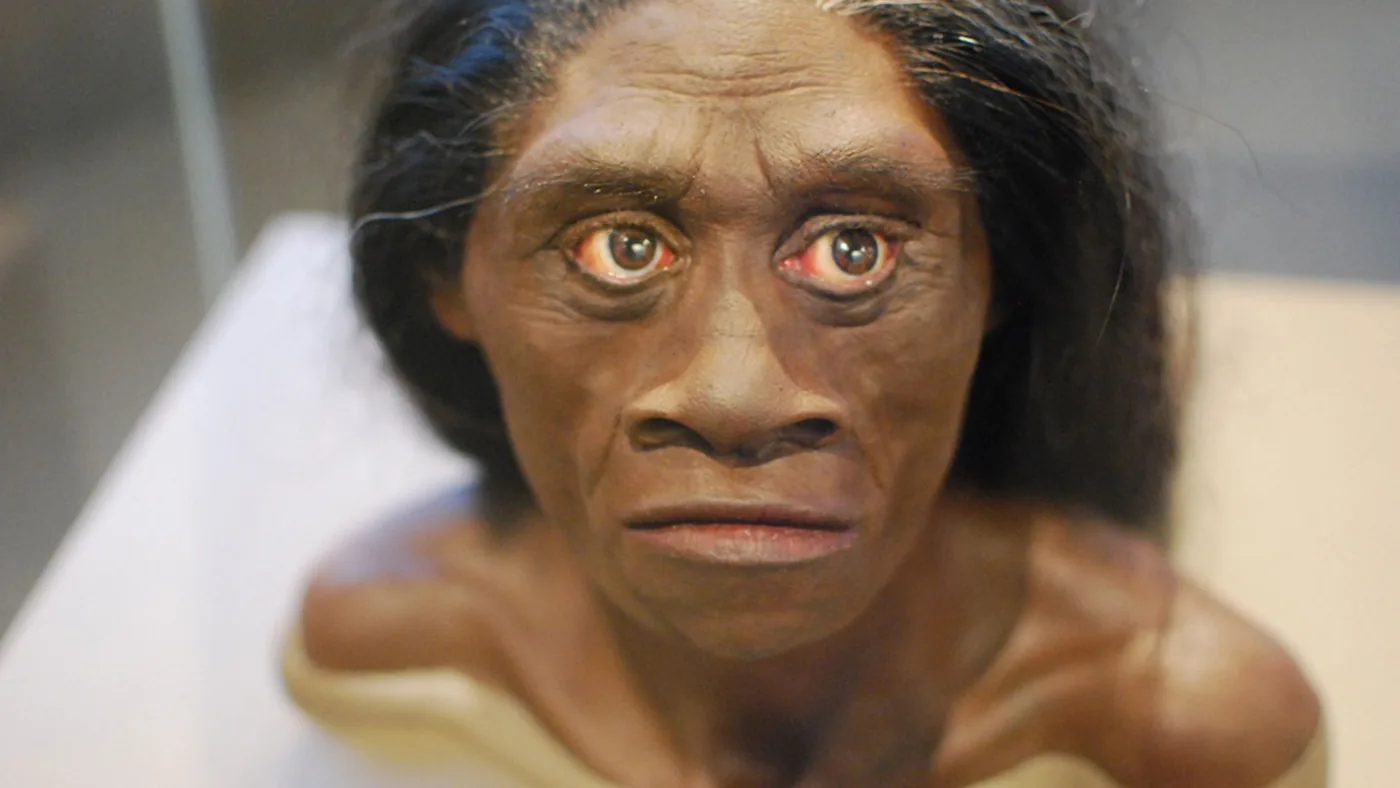
 Twitter / XStudy suggests Homo floresiensis scavenged Komodo dragon leftovers rather than huntingsciencenews.org
Key quotes
· 1 pulledLong ago on the Indonesian island of Flores, Komodo dragons ate first, ripping into the flesh of cow-sized elephant kin and stripping...
You might also wanna read


Study reveals Homo floresiensis was a scavenger, not a hunter, challenging assumptions about the 'hobbit' species
Archaeological analysis of Homo floresiensis ("hobbits") reveals they were scavengers rather than hunters, feeding on dwarf elephants after
 livescience.com·5d ago
Study reveals Homo floresiensis was a scavenger, not a hunter, challenging assumptions about the 'hobbit' species
Archaeological analysis of Homo floresiensis ("hobbits") reveals they were scavengers rather than hunters, feeding on dwarf elephants after
Live Science·5d ago
Hobbit-like Humans May Have Scavenged Komodo Dragons' Leftovers to Survive
Ancient hobbit-like humans may have survived on meat left behind by Komodo dragons

Taphonomic study suggests Komodo dragons, not Homo floresiensis, had primary access to large prey at Liang Bua
A systematic taphonomic study of the proboscidean bone assemblage at Liang Bua (Flores, Indonesia) challenges the notion that Homo floresien
 science.org·3d ago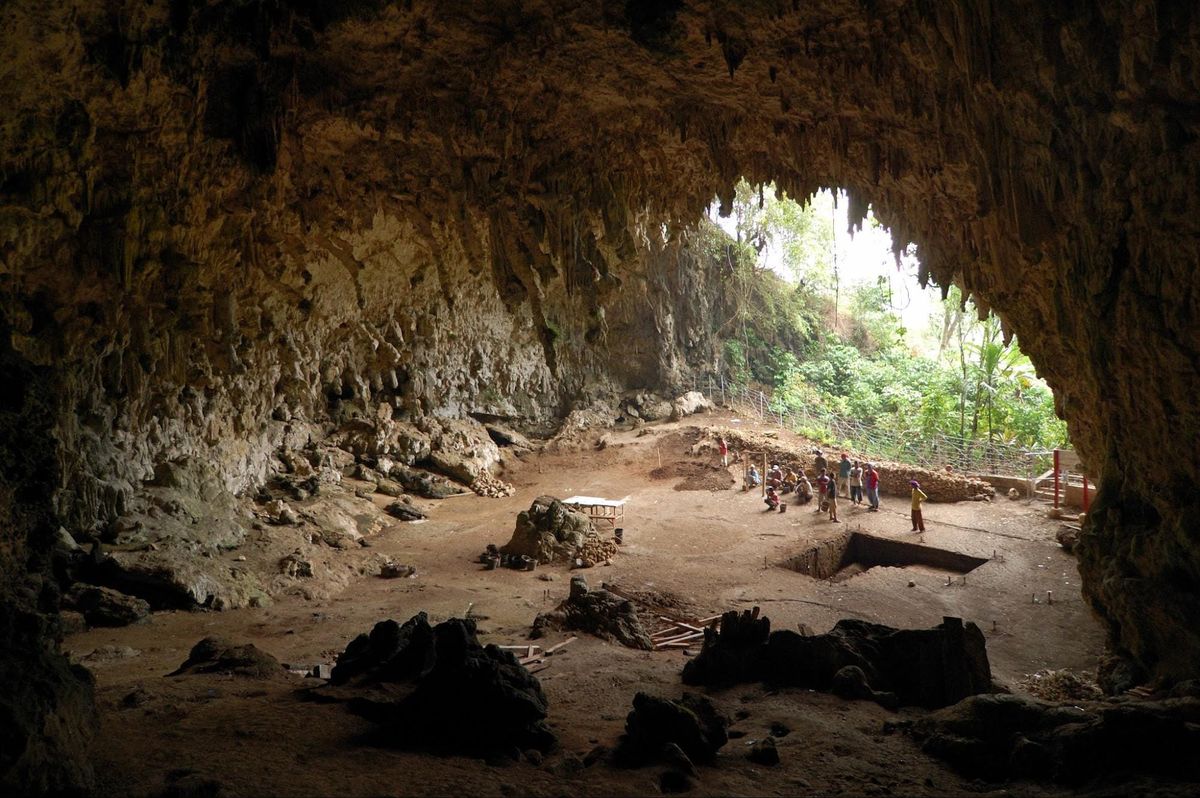
Science Roundup: Hobbit relatives less advanced than thought, megalodon discovery, and satellite constellations outshine stars
This article is a science news roundup (the "Abstract" column) covering multiple recent studies: a mysterious group of extinct human relativ
 404media.co·4d ago
Ancient Foods Still Eaten Today: Exploring 100-Million-Year-Old Edibles
The article explores ancient foods that have survived for millions of years and are still consumed today, inspired by the Ginkgo biloba tree
Comments
Sign in to join the conversation.
No comments yet. Be the first.