
























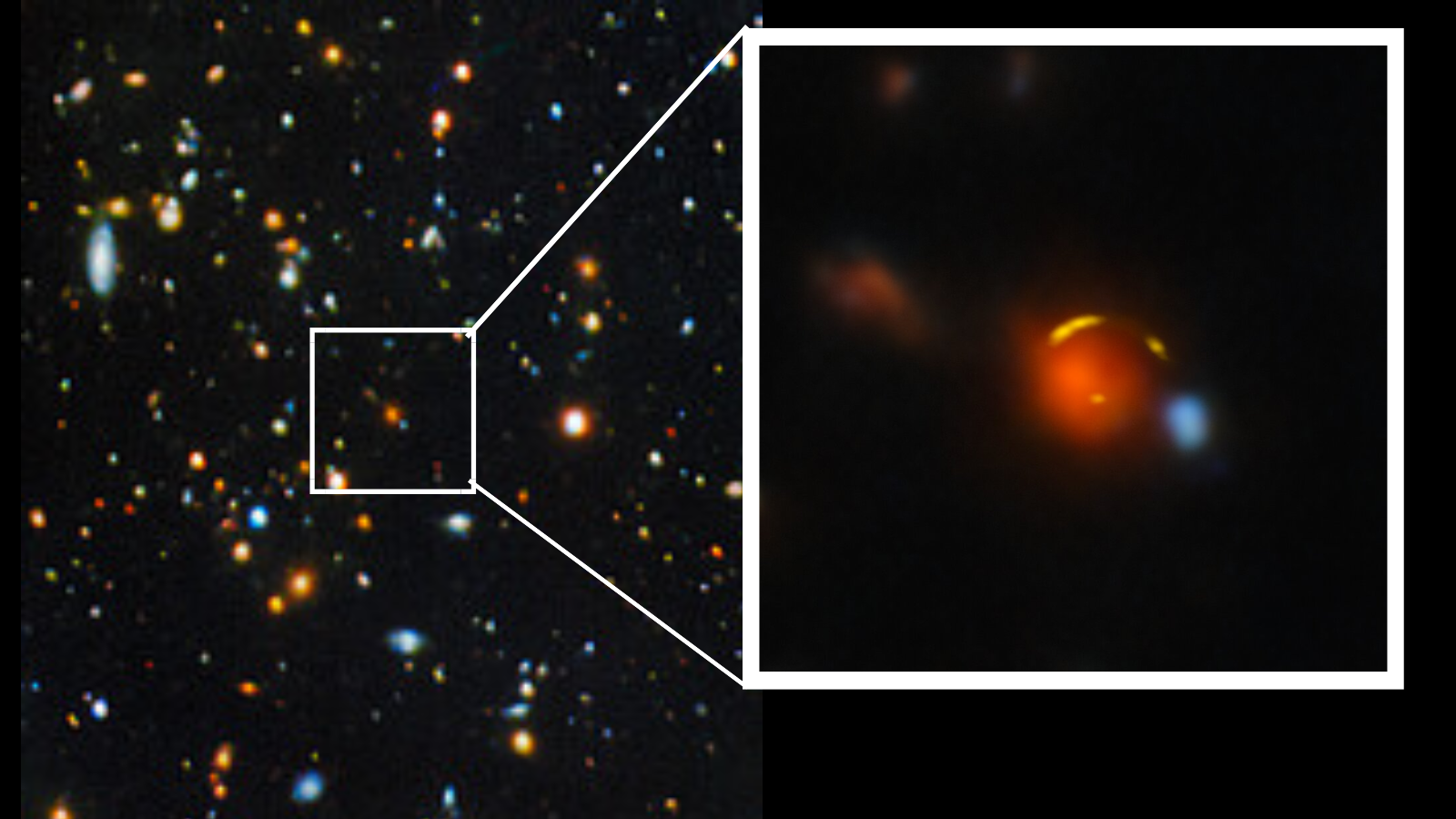
Astronomers trace high-energy neutrino to distant 'Shadow Blaster' galaxy 11 billion light-years away
By
Robert Lea
Summary
Astronomers have traced a high-energy neutrino (a "ghost particle") detected by the IceCube Neutrino Observatory in 2021 back to its source: a gravitationally lensed, star-forming galaxy nicknamed "Shadow Blaster," located 11 billion light-years away. This marks the first time a dusty star-forming galaxy has been directly linked to a high-energy neutrino event. The neutrino traveled for roughly 11 billion years, originating when the universe was only about 3 billion years old. The discovery provides new insights into the extreme cosmic environments that produce such particles and opens a new window into multimessenger astronomy.
Source
 Twitter / XAstronomers trace high-energy neutrino to distant 'Shadow Blaster' galaxy 11 billion light-years awayspace.com
Key quotes
· 3 pulledIf confirmed, Shadow Blaster would be the first-ever individual dusty star-forming galaxy directly linked to a high-energy neutrino event.
The discovery offers the first evidence that...
Astronomers have traced a high-energy 'ghost particle' back to Shadow Blaster, a star-forming galaxy located 11 billion light-years away.
You might also wanna read

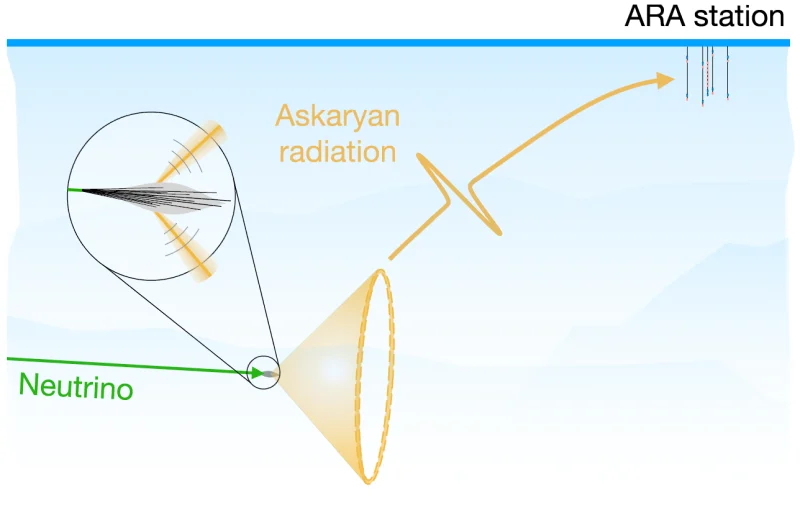
First direct observation of Askaryan radiation in ice confirms new method for detecting ultrahigh-energy neutrinos
This paper presents the first direct observation of Askaryan radiation in ice induced by high-energy cosmic rays, serving as a proof-of-conc
 astrobites.org·22d ago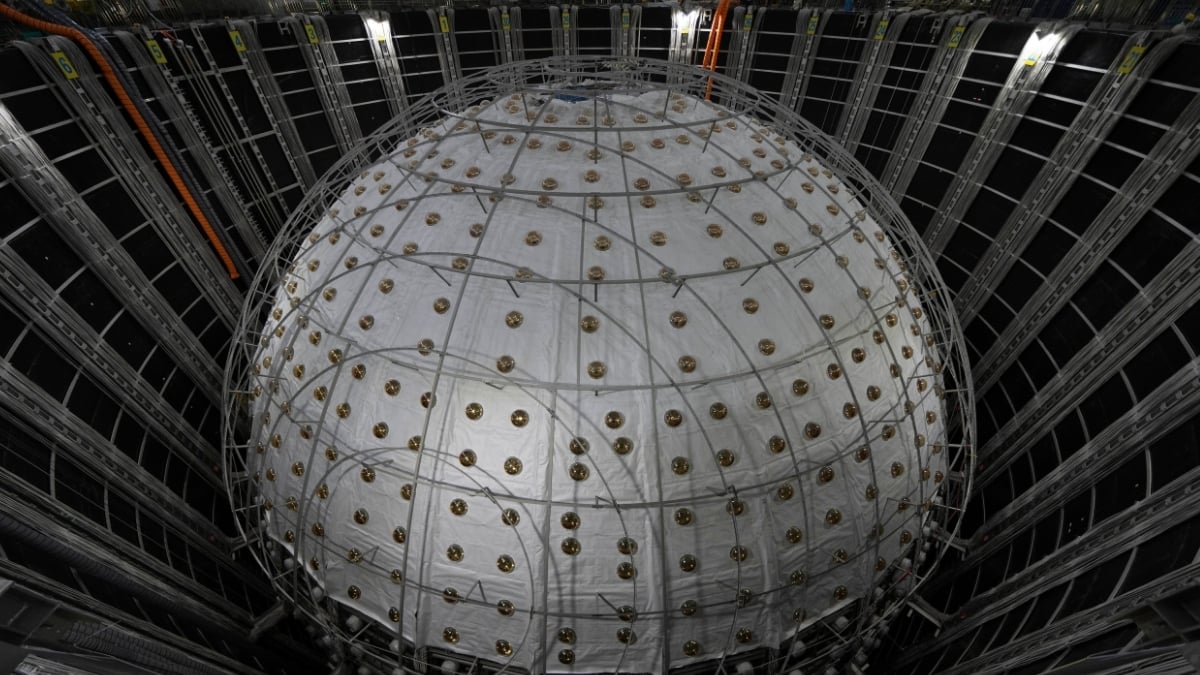
China's Jiangmen Underground Neutrino Observatory Releases First Major Findings on Neutrinos
The Jiangmen Underground Neutrino Observatory (JUNO) in China has released its first major findings on neutrinos—tiny cosmic particles from
 sciencealert.com·9d ago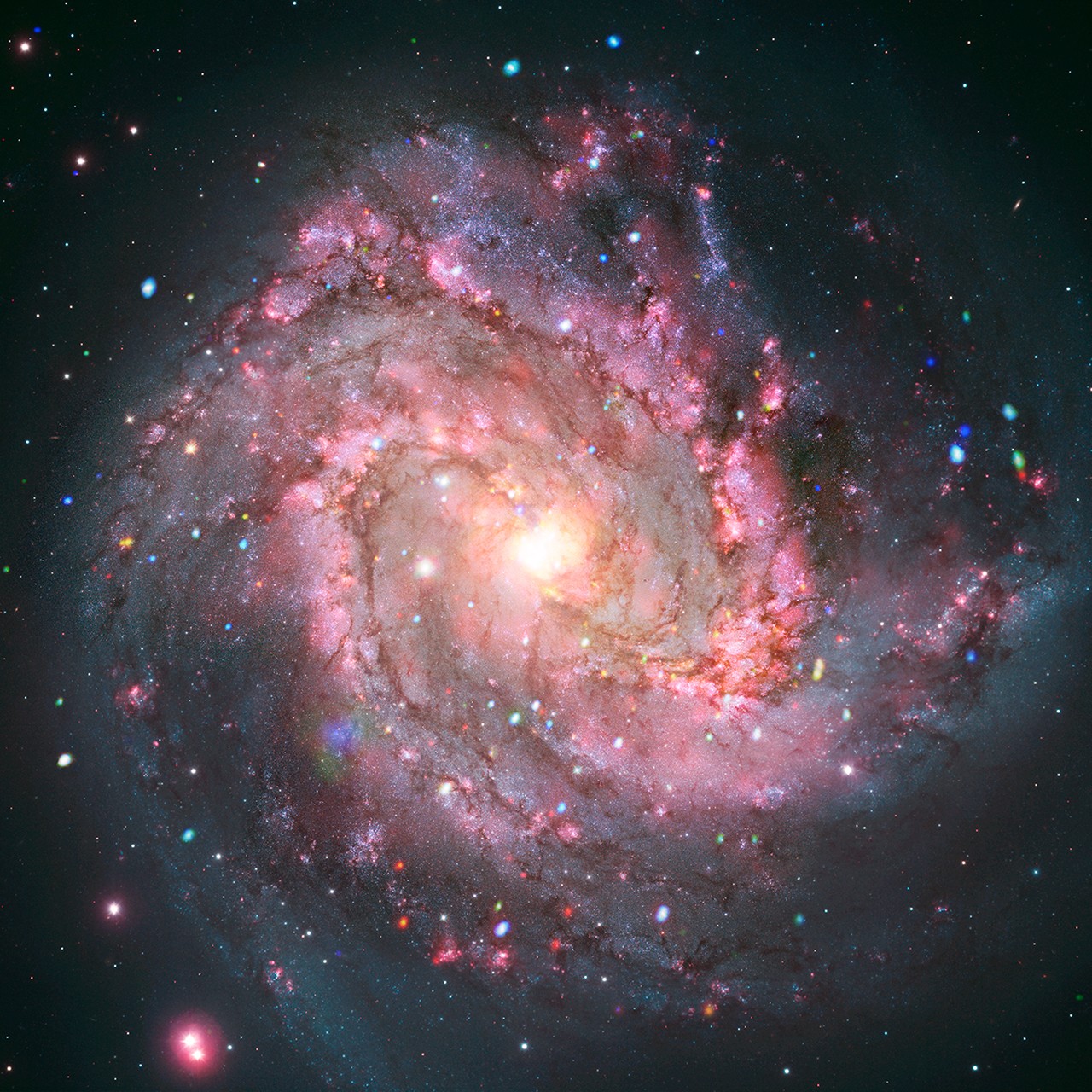
NASA's Chandra Observatory Discovers Unexpected Brightness Changes in Supernova Remnants in Galaxy M83
Astronomers using NASA's Chandra X-ray Observatory studied the galaxy Messier 83 (M83) over a 14-year period and unexpectedly discovered tha
 science.nasa.gov·5d ago
Machine Learning Validates Unrecognized Transient Astronomical Phenomena in Historical Observatory Images
This research paper uses machine learning to validate the existence of previously unrecognized transient astronomical phenomena in historica
 arxiv.org·2mo ago
NASA's Chandra X-ray Observatory detects supernova debris near Milky Way's supermassive black hole
NASA's Chandra X-ray spacecraft has detected supernova wreckage near Sagittarius A*, the supermassive black hole at the center of the Milky
 space.com·8d ago
Antarctica's Cosmic Particle Detector Detects Strange Radio Pulses
A cosmic particle detector in Antarctica has detected strange radio pulses at steep angles below the ice surface, challenging current partic
psu.edu·1y agoComments
Sign in to join the conversation.
No comments yet. Be the first.