





















Antarctica's Cosmic Particle Detector Detects Strange Radio Pulses
By
geox

If you only eat one bagel today, this is the bagel.
Summary
A cosmic particle detector in Antarctica has detected strange radio pulses at steep angles below the ice surface, challenging current particle physics understanding. The signals passed through kilometers of rock before reaching the detector, defying expectations of absorption.
Key quotes
· 3 pulledThe radio waves that we detected were at really steep angles, like 30 degrees below the surface of the ice.
It’s an interesting problem because we still don
The anomalous signal had to pass through and interact with thousands of kilometers of rock before reaching the detector.
You might also wanna read


Study Shows Weight Decay During Pretraining Improves Language Model Adaptability After Fine-Tuning
This research paper investigates how weight decay during pretraining of large language models affects their downstream adaptability (plastic
 arxiv.org·11m ago
New Quantum Oblivious Transfer Protocol Achieves Simulation Security with One-Way Functions
This paper presents a new simulation-secure quantum oblivious transfer (QOT) protocol built on one-way functions in the plain model. The pro
 quantum-journal.org·13m ago
From Plant Pathogens to Genome Editors: The Biotechnology Journey of TALEs and TALENs
This article reviews how TALEs (transcription activator-like effectors), originally discovered as bacterial proteins that Xanthomonas pathog
 doi.org·53m ago
Inside the movement of AI successionists who want artificial intelligence to replace humanity
The article explores a fringe but growing movement of AI "successionists" who believe humanity should create an AI so advanced that it would
 vox.com·1h ago
Inside the movement of AI successionists who want artificial intelligence to replace humanity
The article explores a fringe but growing movement of AI "successionists" who believe humanity should create an AI so advanced that it would
vox.com·1h ago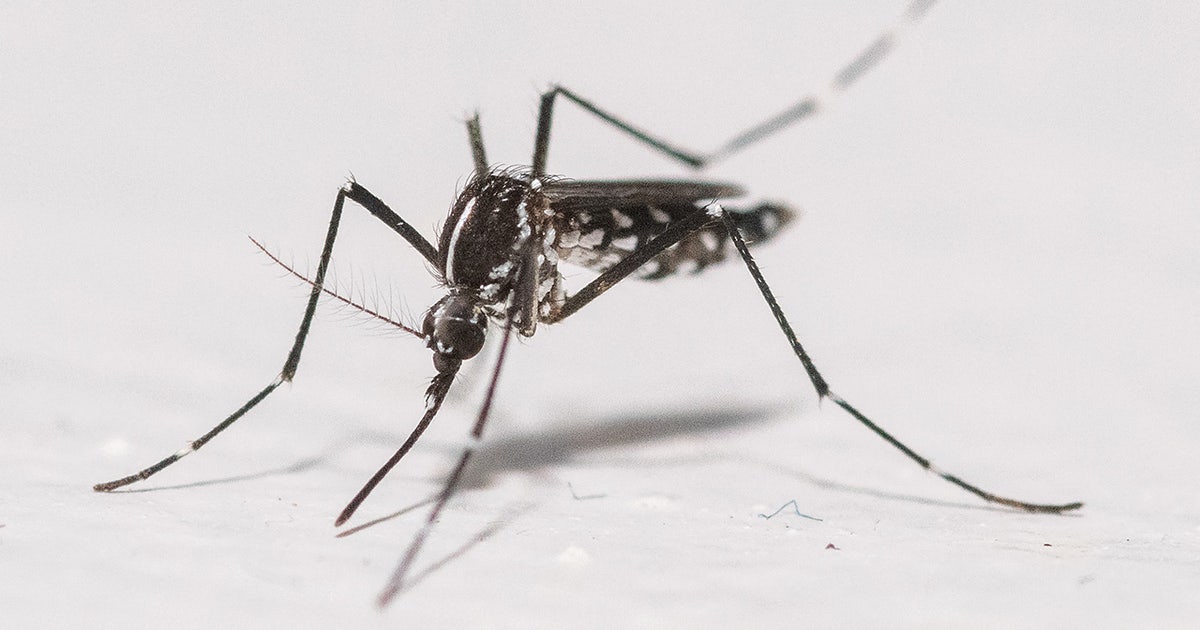
Google's Debug program seeks EPA permit to release 64 million modified mosquitoes in California and Florida
Google's Debug program plans to release up to 64 million genetically modified "good" mosquitoes in California and Florida over two years. Th
 bit.ly·1h ago