
























Neurosurgeon with engineering background implants Paradromics' first long-term brain chip
By
Lloyd Lee
Summary
Dr. Matthew Willsey, a neurosurgeon at the University of Michigan Health, describes how his background as an electrical engineer led him to implant Paradromics' first long-term brain-computer interface in a patient. The article explores the intersection of engineering and medicine in the development of brain-computer interfaces (BCIs), detailing the surgical procedure, the technology behind Paradromics' implant, and the potential future applications for patients with severe neurological conditions.
Source
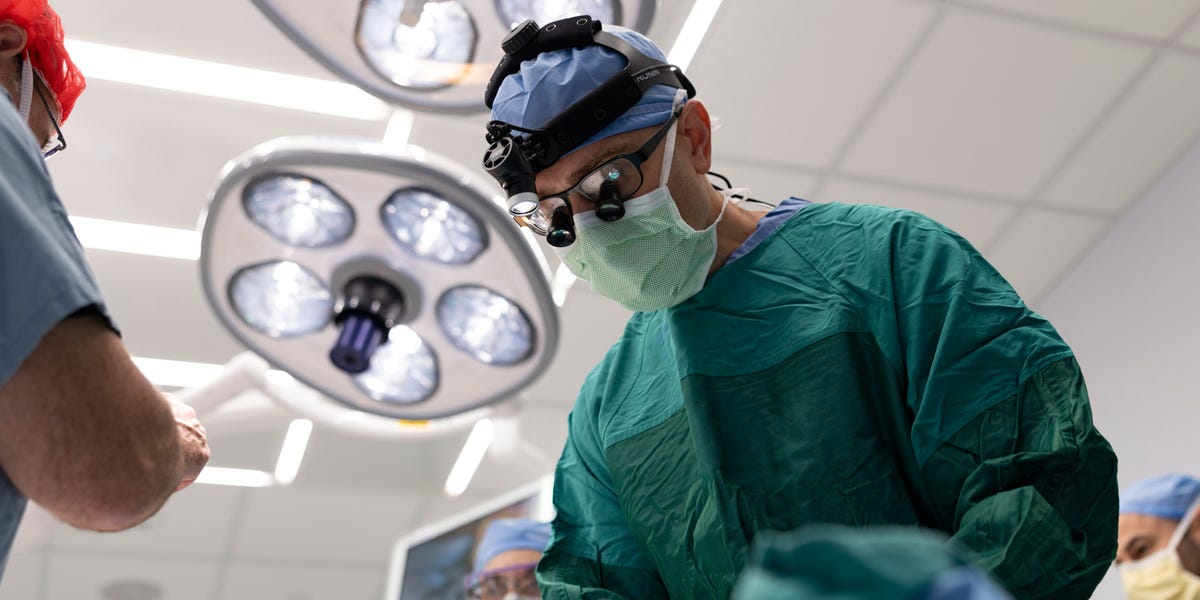
 bskyNeurosurgeon with engineering background implants Paradromics' first long-term brain chipbusinessinsider.com
Key quotes
· 3 pulledI began my career as an electrical engineer, and that background gave me a unique perspective on how to approach the implantation of brain-computer interfaces.
This is the first long-term implant of its kind from Paradromics, and it represents a significant milestone in the field of neurotechnology.
The intersection of engineering and medicine is where the most exciting innovations happen.
You might also wanna read

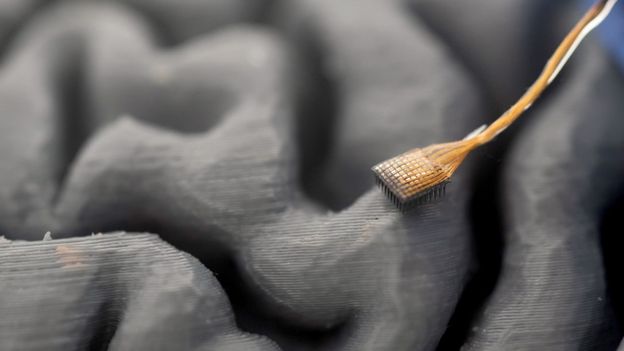
AI Decodes Brain Activity to Help Paralyzed Patients Communicate
Researchers at University of California, Davis are using artificial intelligence to decode brain activity and translate it into speech, part
 bbc.com·3mo ago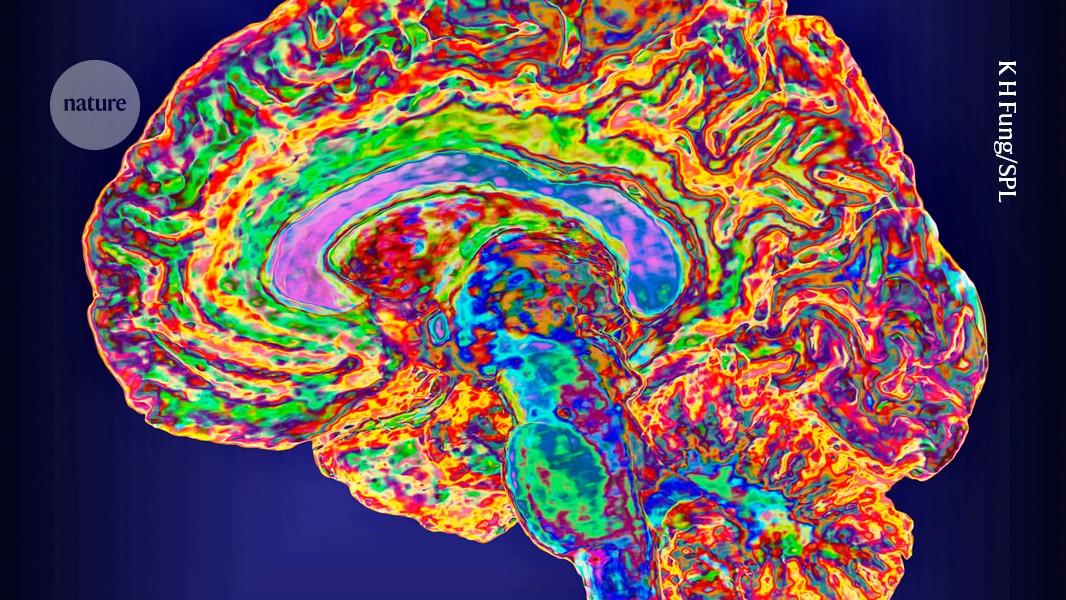
Brain Implant Decodes Internal Speech with Password Protection
A brain implant, or brain-computer interface (BCI), can decode a person's internal speech with 74% accuracy, but only when the user thinks o
 nature.com·10mo ago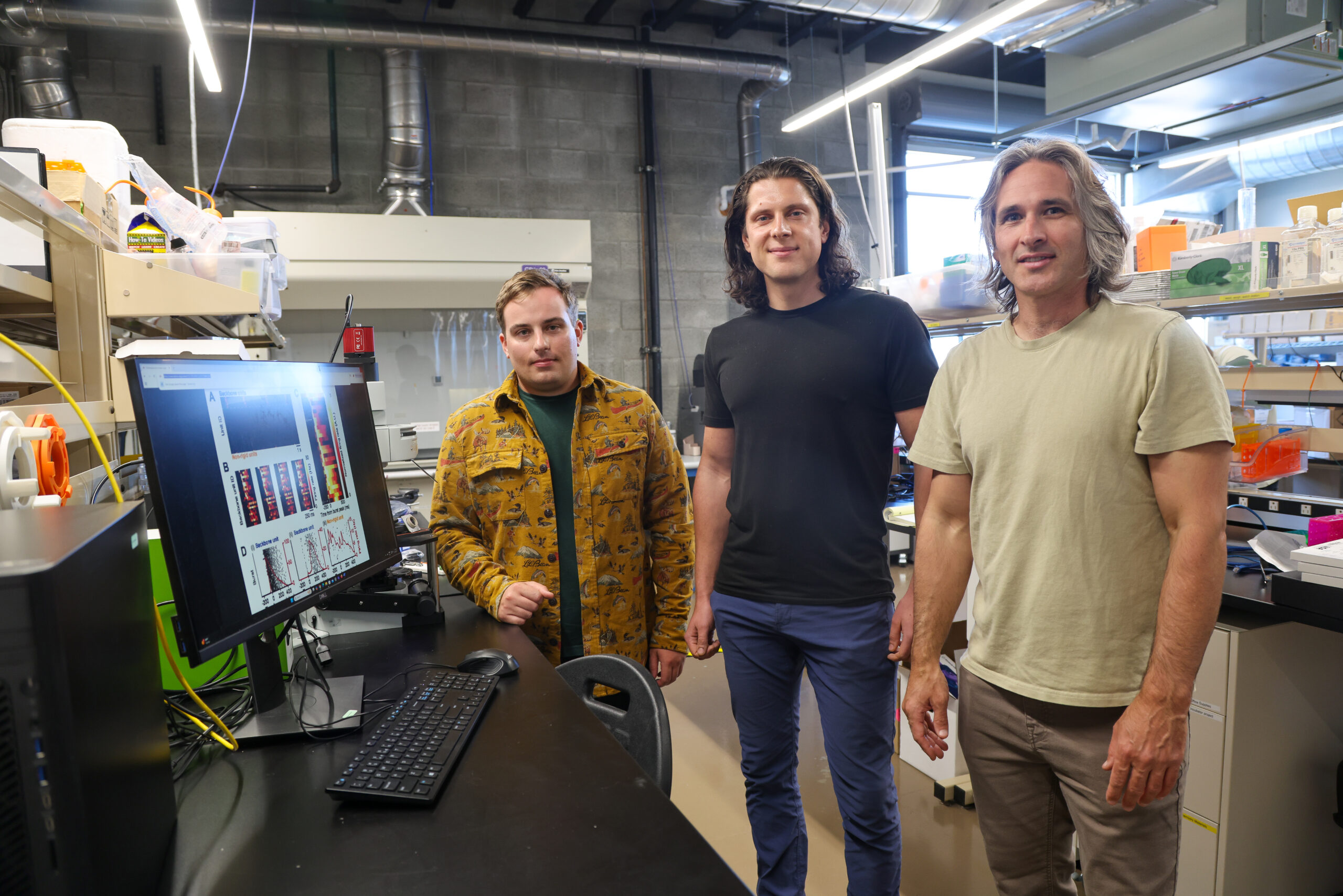
Brain Organoid Research Reveals Pre-Configured Electrical Patterns in Early Human Brain Development
Researchers at UC Santa Cruz used brain organoids to study early brain development, discovering that human brains show organized electrical
 news.ucsc.edu·7mo ago
Brain implant data enables reliable seizure prediction days in advance, study finds
Researchers have developed forecasting algorithms using brain implant data that can reliably predict seizure risk several days in advance. T
 universal-sci.com·3d ago
Mayo Clinic neuroscientists use computational tools and neuromodulation to decode and repair brain function
Mayo Clinic neuroscientists, led by neurosurgeon-scientist Dr. Gelareh Zadeh, are using advanced computational tools and neuromodulation tec
 mayocl.in·2d ago
DARPA's N3 Program: Developing Nonsurgical Brain-Machine Interfaces for Military Applications
DARPA's Next-Generation Nonsurgical Neurotechnology (N3) program aims to develop high-performance, bi-directional brain-machine interfaces t
 darpa.mil·5d ago
Comments
Sign in to join the conversation.
No comments yet. Be the first.