
























How living on Mars could drive human evolution into a new species, according to an evolutionary biologist
By
Anita Chandran
Summary
Evolutionary biologist Scott Solomon explores how human evolution would be shaped by long-term settlement on Mars. The article examines how Mars' lower gravity, higher radiation, different atmosphere, and isolated environment could drive physical and genetic changes in humans over generations — potentially leading to a new species altogether. Key adaptations discussed include taller, more fragile skeletons, altered skin pigmentation, changes to the circulatory and respiratory systems, and potential shifts in social and reproductive behaviors due to the harsh, enclosed environment.
Source
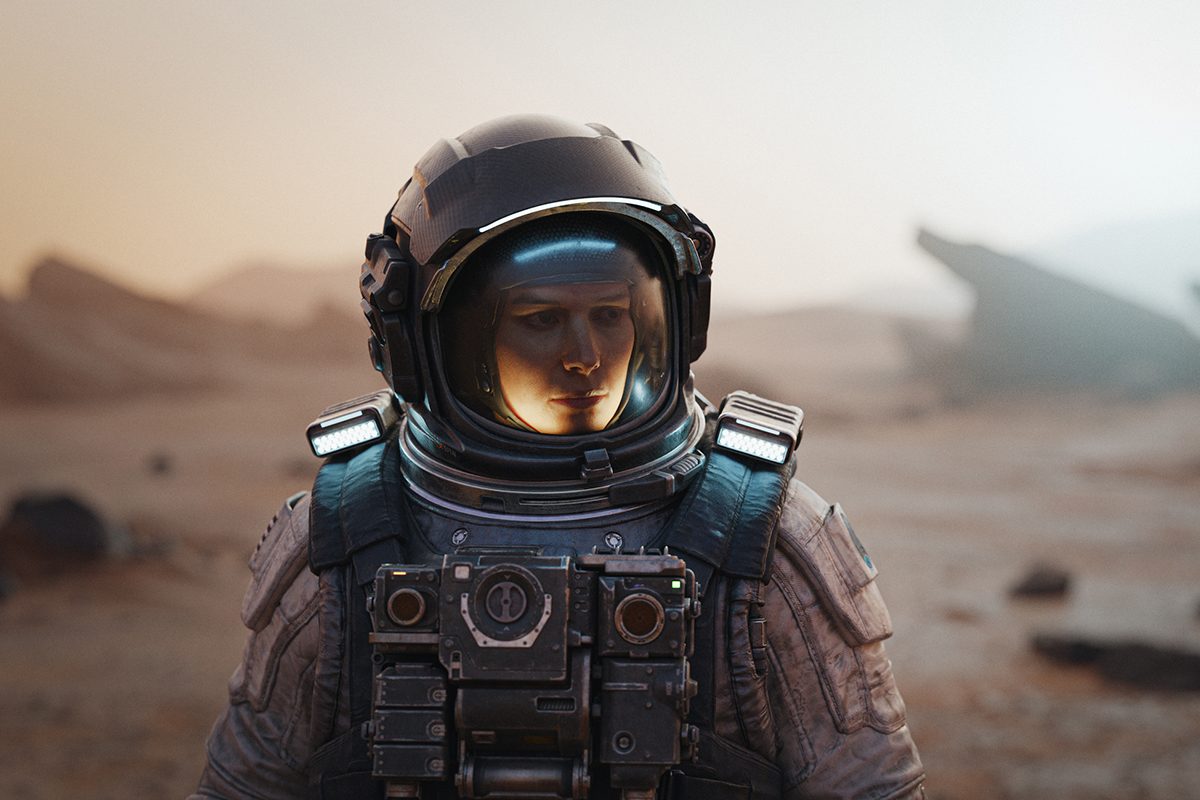
 bskyHow living on Mars could drive human evolution into a new species, according to an evolutionary biologistskyatnightmagazine.com
Key quotes
· 5 pulledIf we were to establish a permanent settlement on Mars, the differences in environment — lower gravity, higher radiation, a different atmosphere — would create new selective pressures that would shape the evolution of the human body in ways we can begin to predict.
Over many generations, humans living on Mars could become so different from Earthlings that they might be considered a new species altogether.
The reduced gravity on Mars would likely lead to changes in bone density and muscle mass, potentially resulting in taller, more slender bodies with weaker skeletons.
Higher radiation levels on the surface of Mars would select for individuals with more melanin, leading to darker skin over time as a natural protection against DNA damage.
In a small, isolated population on Mars, genetic drift would play a much larger role than it does on Earth, meaning that traits could become fixed in the population simply by chance.
You might also wanna read


Early Homo sapiens may have lived in rainforests, new clues suggest — and it could overturn our understanding of human evolution
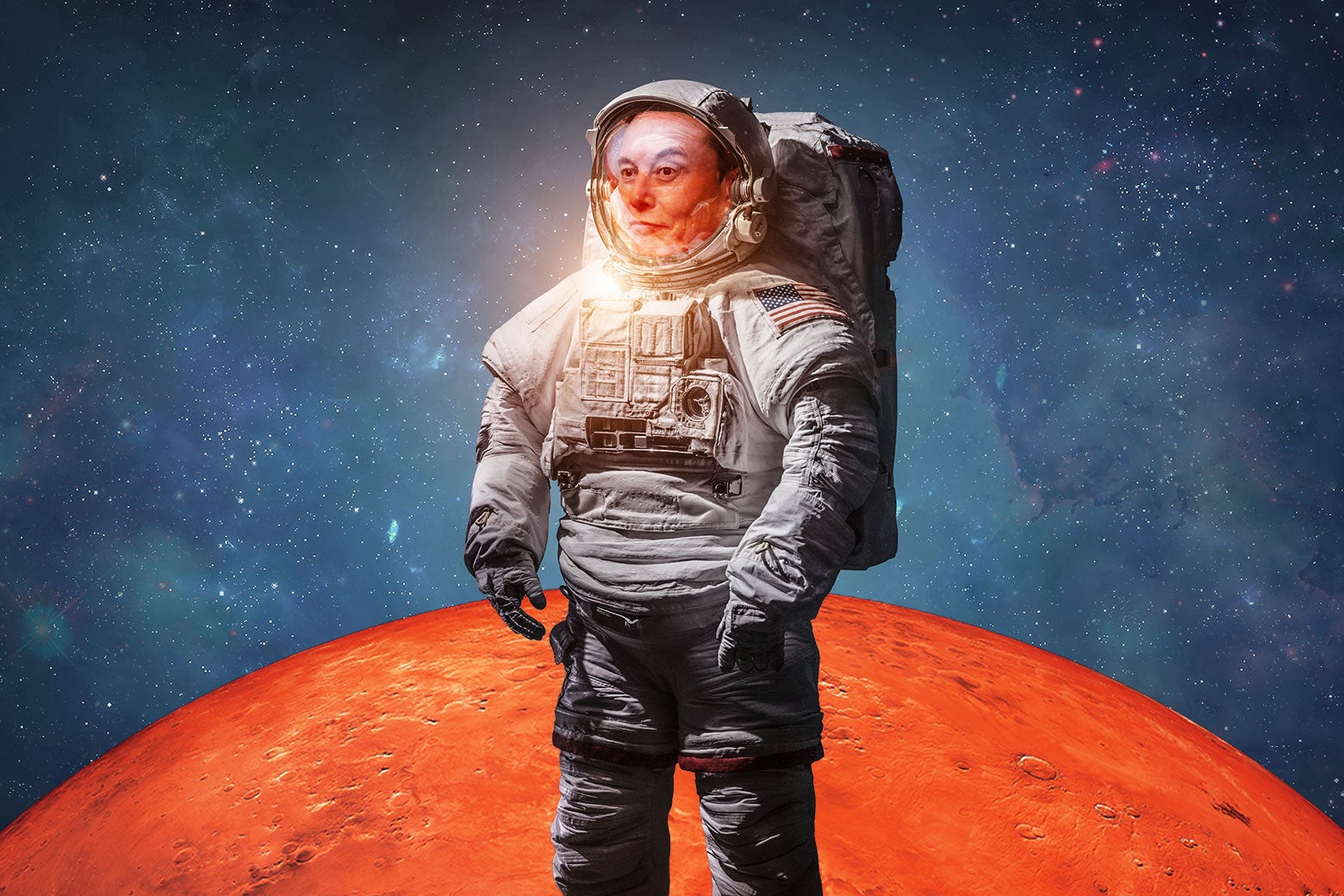
The Health Risks and Practical Challenges of Human Travel to Mars
The article examines the significant health risks and practical challenges of human travel to Mars, arguing against the romanticized view of
 slate.com·4mo ago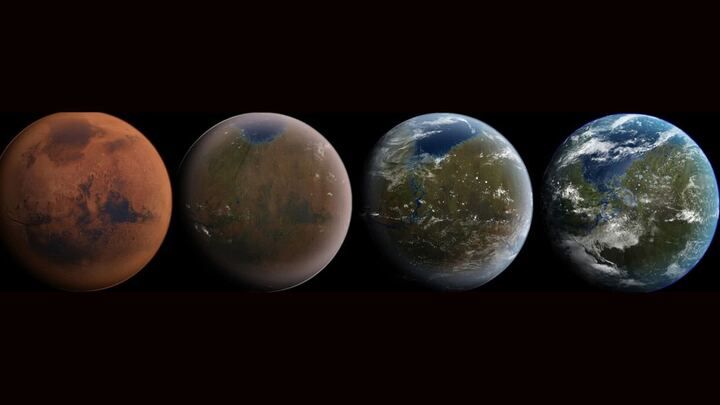
Scientists explore aerosol-based methods to warm Mars as first step toward terraforming
Scientists are researching methods to terraform Mars, including the dispersion of aerosols to warm the planet's atmosphere as a first step t
 space.com·12d ago
Scientists explore aerosol-based methods to warm Mars as first step toward terraforming
Scientists are researching methods to terraform Mars, including the dispersion of aerosols to warm the planet's atmosphere as a first step t
space.com·12d ago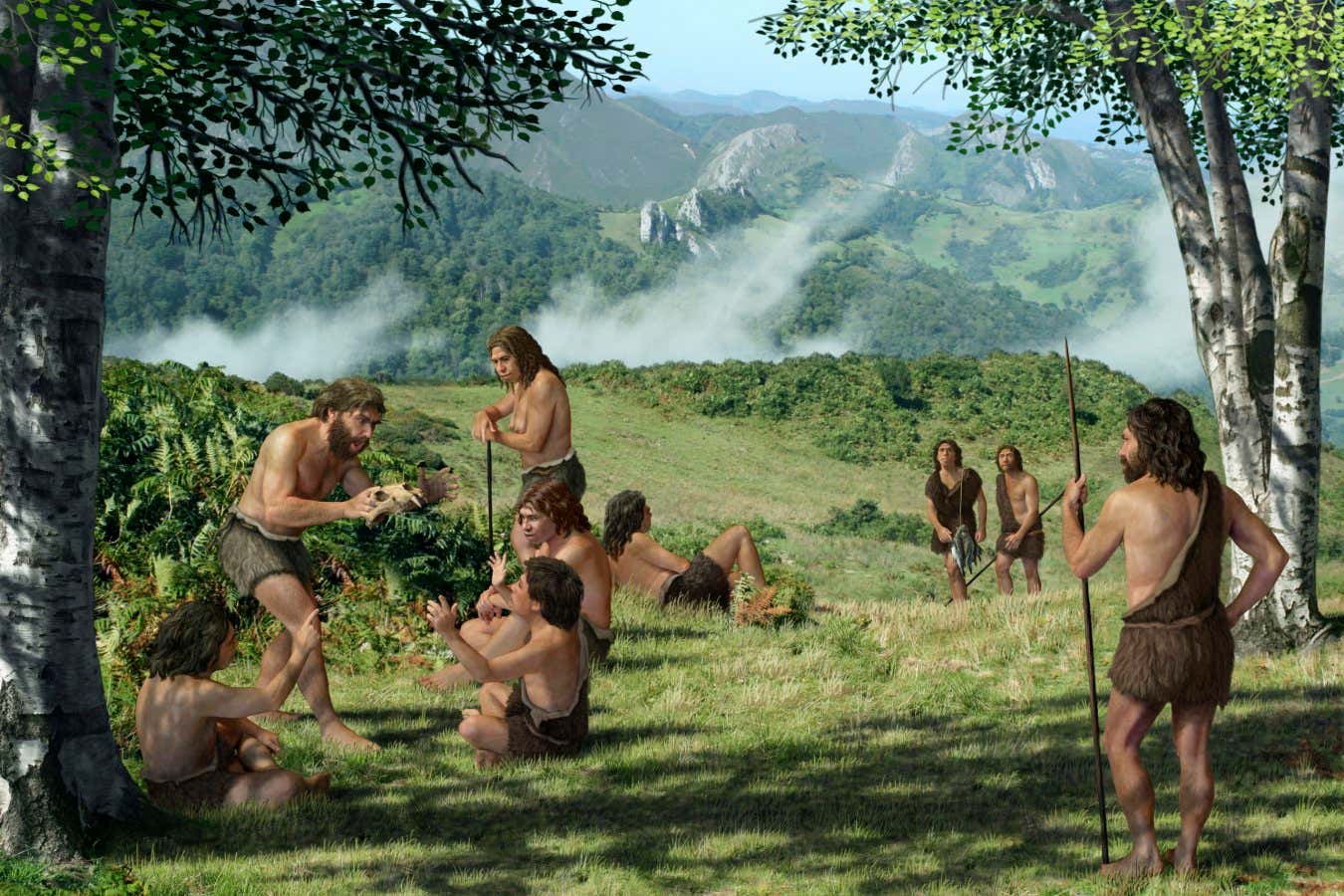
Genetic analysis shows some late-surviving Neanderthals had diverse populations, challenging inbreeding extinction theory
A new genetic analysis of Neanderthals from north-western Europe reveals that some of the last surviving Neanderthals lived in genetically d
 newscientist.com·10d ago
Ancient DNA reveals human evolution is a complex network, not a simple branching tree
This article argues that the traditional metaphor of a branching "human family tree" is outdated and misleading. Instead, based on ancient D
 universal-sci.com·16d ago
Mars Mission Challenges Serve as Stress Test for Astrobiology and Life Detection Methods
This article discusses how the search for life on Mars presents unique challenges and serves as a "stress test" for scientific methods used
 astrobiology.com·14d ago
Comments
Sign in to join the conversation.
No comments yet. Be the first.