





















Ancient DNA reveals human evolution is a complex network, not a simple branching tree
By
TechnologyWhy battery-powered vehicles stack up better than hydrogenTechnologyTechnology
Summary
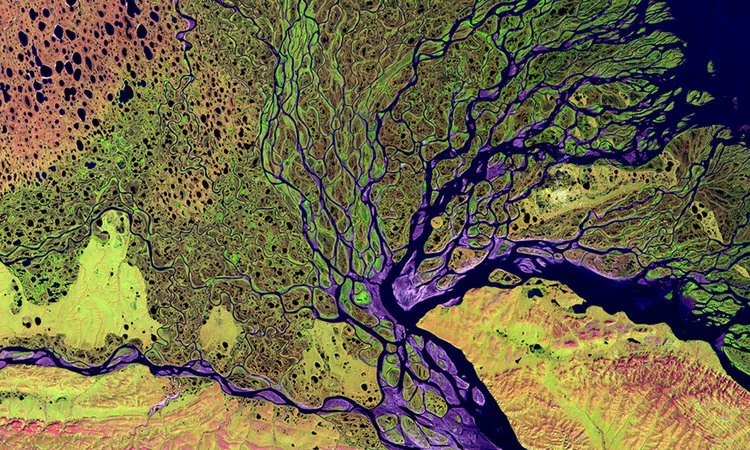
This article argues that the traditional metaphor of a branching "human family tree" is outdated and misleading. Instead, based on ancient DNA evidence, human evolution is better understood as a complex, interconnected network or "muddy delta" where different hominid populations (including Neanderthals, Denisovans, and early Homo sapiens) separated for hundreds of thousands of years but continued to interbreed and exchange genes. The author traces the history of how anthropologists constructed the family tree model and explains how modern genetic discoveries have fundamentally reshaped our understanding of human origins, revealing a web of connections rather than isolated branches.
Source
 Twitter / XAncient DNA reveals human evolution is a complex network, not a simple branching treeuniversal-sci.com
Key quotes
· 3 pulledWhere once we saw each branch in isolation, DNA evidence now reveals a network of connections.
From an African origin more than 1.8 million years ago, human ancestors flowed into different populations, following separate paths for hundreds of thousands of years, yet still coming together to mix their genes.
It's a powerful metaphor, but it also turns out to be a deeply mistaken one.
You might also wanna read


DNA studies reveal complex migration history in Britain beyond traditional Anglo-Saxon, Celtic, and Viking narratives
Population genomics studies reveal that Britain's genetic history is far more complex than traditional narratives of Anglo-Saxons, Celts, an
 theconversation.com·21d ago
David Reich's Genetics Lab Rewrites Human History Through Ancient DNA Analysis
The article profiles David Reich's ancient genetics lab at Harvard Medical School, which is revolutionizing our understanding of human histo
 laphamsquarterly.org·9mo ago
Proteins from 400,000-year-old Homo erectus teeth reveal genetic links to Denisovans and modern humans
A new study published in Nature reveals that researchers have successfully extracted and analyzed proteins from the enamel of six Homo erect
 doi.org·2d ago
Humans 40k yrs ago developed a system of conventional signs

Long-read sequencing reveals archaic structural variants in Papua New Guinean genomes
This study by Hsieh et al. uses long-read sequencing to analyze archaic introgression (Neanderthal and Denisovan DNA) in two Papua New Guine
 science.org·9d ago
Long-read sequencing reveals archaic structural variants in Papua New Guinean genomes
This article presents a genetic study using long-read sequencing to identify archaic-derived structural variants (SVs) in two Papua New Guin
science.org·9d ago