
























Early Homo sapiens may have lived in rainforests, new clues suggest — and it could overturn our understanding of human evolution
By
Sophie Berdugo
8d ago
Source
 Live ScienceEarly Homo sapiens may have lived in rainforests, new clues suggest — and it could overturn our understanding of human evolutionlivescience.com
The long-held idea that rainforests held a minor role in our species' evolution is changing — and our ability to adapt to these tropical areas may give insight about "what it means to be uniquely human."
You might also wanna read

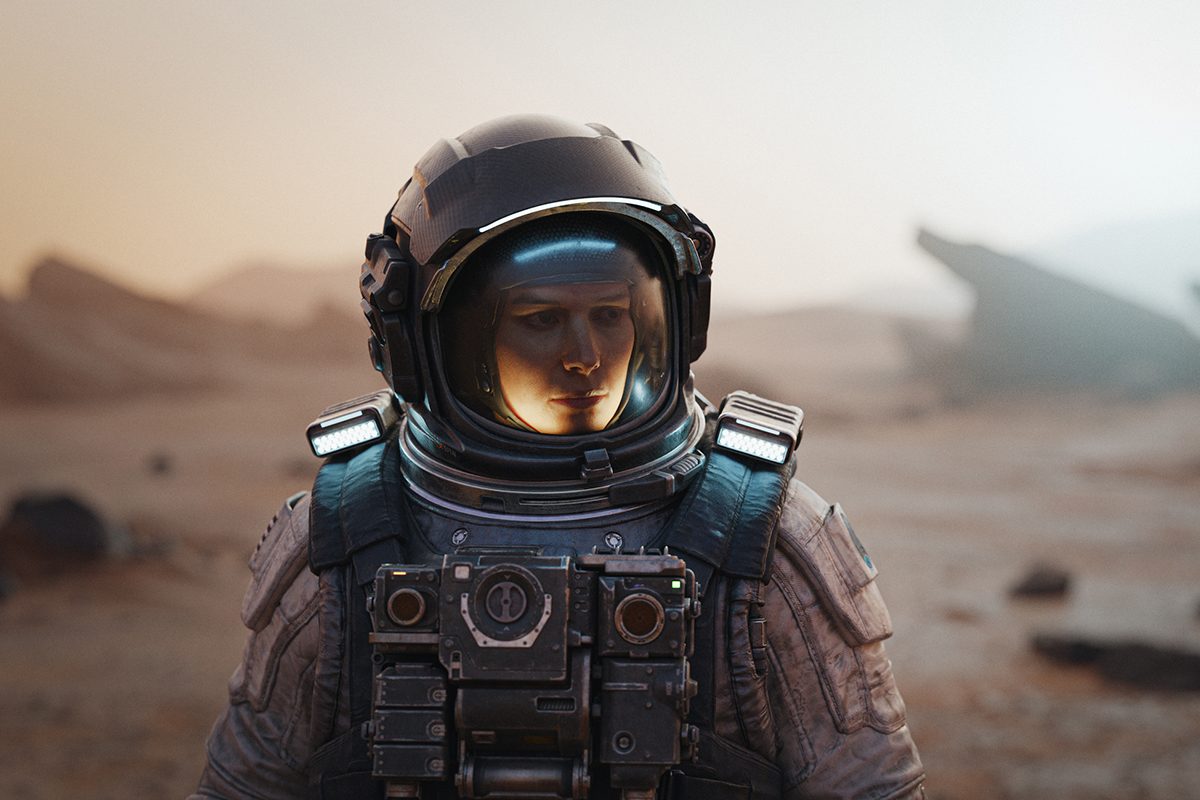
How living on Mars could drive human evolution into a new species, according to an evolutionary biologist
Evolutionary biologist Scott Solomon explores how human evolution would be shaped by long-term settlement on Mars. The article examines how
 skyatnightmagazine.com·10h ago
Conservation genomics faces growing calls to center Indigenous knowledge and data rights
Phys·1d ago
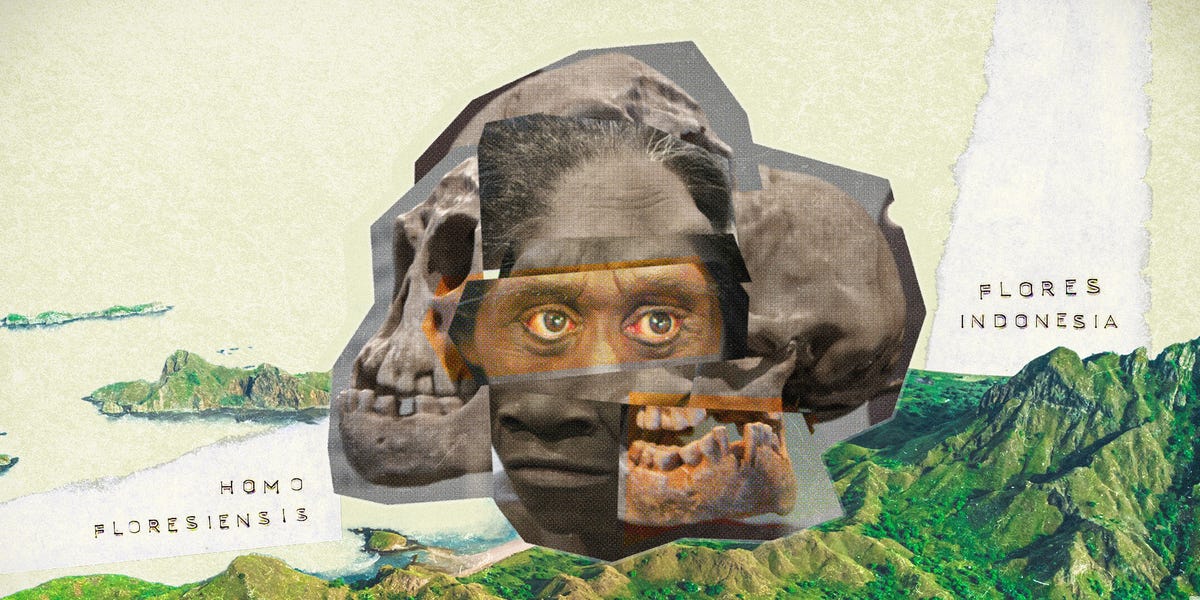
Anthropologist Suggests Homo floresiensis May Have Survived Until Modern Times on Flores Island
Anthropologist Gregory Forth explores the possibility that Homo floresiensis (the "hobbit" hominid discovered on Flores Island, Indonesia) m
 popularmechanics.com·1d ago
Humans' Adaptation to Extreme Environments in Africa 70,000 Years Ago
Humans learned to thrive in extreme environments in Africa about 70,000 years ago, setting the stage for global migration.
nytimes.com·1y ago
Alice Roberts on human evolution: why our species is not as exceptional as we think
Professor Alice Roberts, a biological anthropologist and broadcaster, discusses human evolution and challenges the notion of human exception
 newscientist.com·11d ago
Ancient DNA reveals human evolution is a complex network, not a simple branching tree
This article argues that the traditional metaphor of a branching "human family tree" is outdated and misleading. Instead, based on ancient D
 universal-sci.com·16d ago
Comments
Sign in to join the conversation.
No comments yet. Be the first.