

























Mars Mission Challenges Serve as Stress Test for Astrobiology and Life Detection Methods
By
Keith Cowing
Summary
This article discusses how the search for life on Mars presents unique challenges and serves as a "stress test" for scientific methods used in astrobiology. It explores how billions of years ago, Mars had warm, humid conditions with a dense atmosphere that could have supported life. The piece examines the difficulties scientists face in detecting signs of past or present life on the Red Planet, given the harsh environmental conditions that exist today and the limitations of current detection technologies.
Source
 Twitter / XMars Mission Challenges Serve as Stress Test for Astrobiology and Life Detection Methodsastrobiology.com
Key quotes
· 2 pulledBillions of years ago, environmental conditions on Mars were significantly more hospitable than they are today.
Our neighbouring planet was likely warm, humid, and surrounded by a dense atmosphere.
You might also wanna read


The Health Risks and Practical Challenges of Human Travel to Mars
The article examines the significant health risks and practical challenges of human travel to Mars, arguing against the romanticized view of
 slate.com·3mo ago
NASA's Mars Sample Return Mission Paused Amid Budget Overruns Despite New Evidence of Potential Life
NASA has announced new evidence for potential life on Mars, with the Perseverance rover already collecting a sample from an interesting rock
 caseyhandmer.wordpress.com·9mo ago
UK Mission to Search for Alien Life in Venus's Clouds
A UK-based mission is planning to send a probe to Venus's clouds to search for microbial life after detecting potential signs of biological
gizmodo.com·11mo ago
Microbe Chroococcidiopsis Shows Potential to Produce Oxygen from Martian Soil
Scientists have discovered that the extremophile microbe Chroococcidiopsis can grow on materials similar to Martian soil and produce oxygen,
 scienceclock.com·6mo ago
Nonliving respiration: Another breath in the soil?
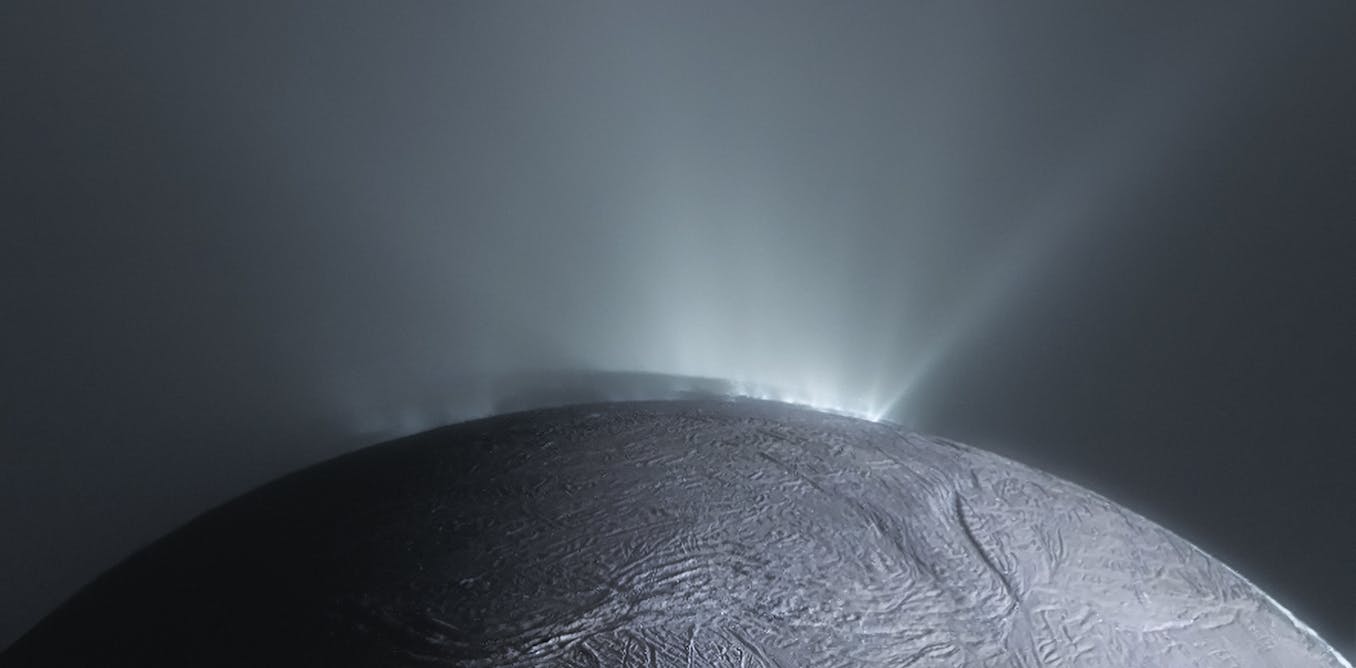
Scientists adapt ecological analysis methods to detect potential life on icy moons like Enceladus and Europa
Scientists are using ecological methods to study icy moons like Saturn's Enceladus and Jupiter's Europa, which likely have subsurface oceans
 theconversation.com·22d ago
Comments
Sign in to join the conversation.
No comments yet. Be the first.