
























Grid-like neural codes in entorhinal cortex track cognitive development and fluid intelligence from ages 8 to 25
By
Yunzhe Liu1,2,3,10 Send email to [email protected]
Summary
This study investigates how grid-cell-like neural codes in the entorhinal cortex (EC) develop from ages 8 to 25, providing a neural basis for Piaget's theory of cognitive development. Analyzing 203 participants, the researchers found that these non-spatial grid-like codes strengthen with age, reflecting the formation of structured knowledge schemas (two-dimensional conceptual maps). These neural codes predict improved inferential reasoning and support the assimilation of new information, tracking fluid intelligence across development. The findings bridge cognitive development theory with neural mechanisms of abstract reasoning.
Source
 bskyGrid-like neural codes in entorhinal cortex track cognitive development and fluid intelligence from ages 8 to 25cell.com
Key quotes
· 3 pulledGrid-cell-like codes in the entorhinal cortex (EC) strengthened with age, reflecting schema representations in non-spatial conceptual spaces, and predicted improved inferential reasoning.
The maturation of non-spatial grid-cell-like neural codes in the entorhinal cortex provides a foundational scaffold for Piaget's cognitive development theory.
These grid-like codes also supported the medial prefrontal cortex in assimilating new information and tracking fluid intelligence.
You might also wanna read

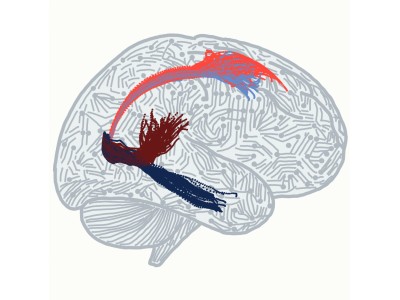
Neuroscientist challenges decades-old model of how vision and thinking work in the brain
Neuroscientist Nuttida Rungratsameetaweemana is challenging the long-held conventional view that vision is a passive, feed-forward process w
 engineering.columbia.edu·4d ago
Neuroscientist challenges decades-old model of how vision and thinking work in the brain
Neuroscientist Nuttida Rungratsameetaweemana is challenging the long-held conventional view that vision is a passive, feed-forward process w
engineering.columbia.edu·4d ago
Human brains develop capacity for thought before birth, neuroscientist explains
The article explains that the human brain develops its essential architecture before birth, with approximately 100 billion neurons forming f
 newscientist.com·15d ago
Study Finds Modular Cognitive Networks in Large Language Models Mirror Human Brain Organization
This research article investigates whether Large Language Models (LLMs) exhibit modular cognitive organization similar to the human brain's
Study Finds Modular Cognitive Networks in Large Language Models Mirror Human Brain Organization
This research article investigates whether Large Language Models (LLMs) exhibit modular cognitive organization similar to the human brain's

How play-based learning and toy design shape children's cognitive development
This article explores how play-based learning, driven by toy design and neuroscience, shapes children's cognitive development. It examines h
newscientist.com·14d ago
Study Identifies Five Developmental Epochs in Human Brain Organization with Turning Points at Ages 9, 32, 66, and 83
A comprehensive study analyzing brain scans of nearly 4,000 people from infancy to old age has identified five major developmental epochs in
 theguardian.com·7mo ago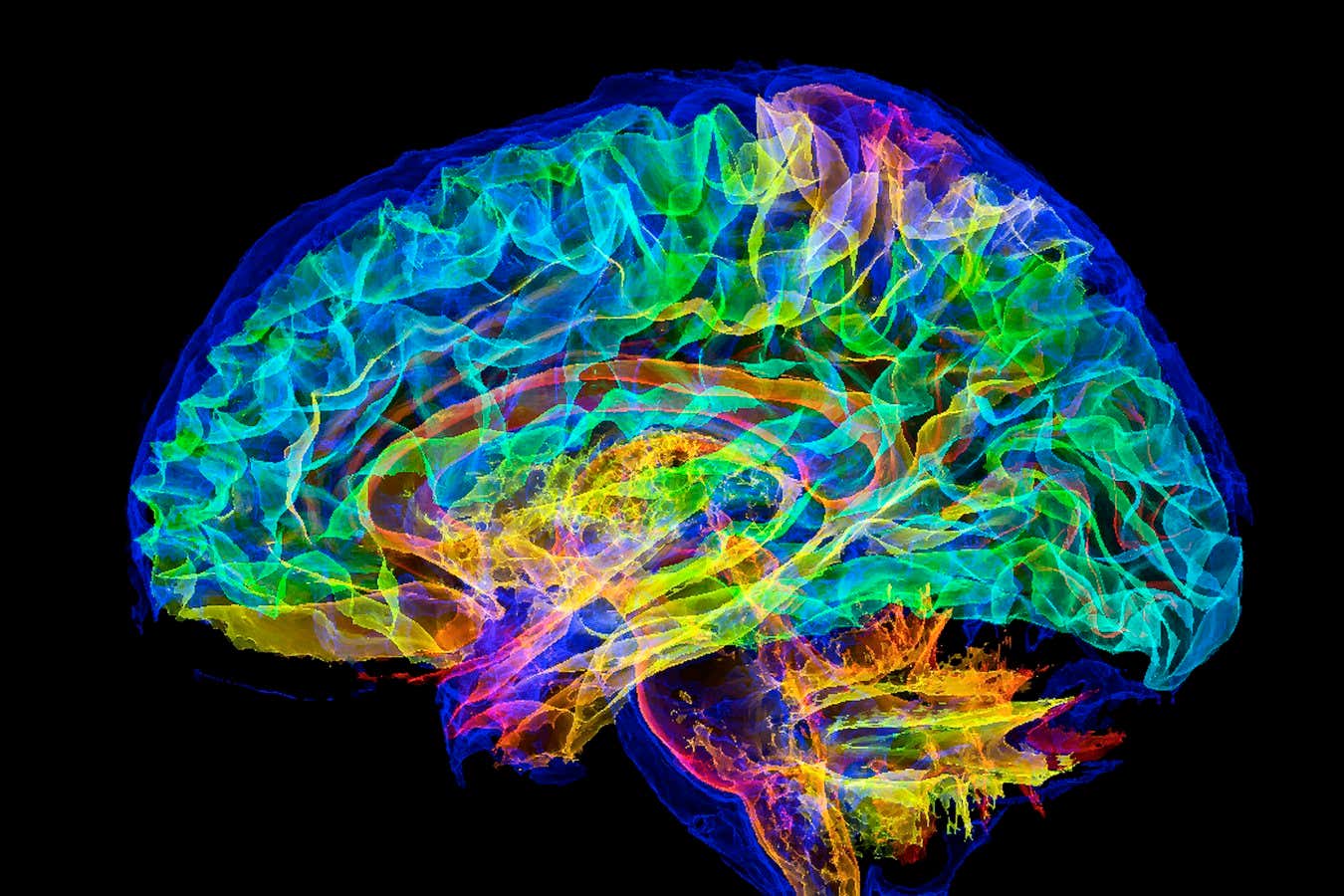
Why neuroscience is not ready to guide brain-based policymaking
This article critically examines the growing trend of policymakers turning to neuroscience to inform laws and policies, arguing that the sci
newscientist.com·9d agoWhy neuroscience is not ready to guide brain-based policymaking
This article critically examines the growing trend of policymakers turning to neuroscience to inform laws and policies, arguing that the sci
newscientist.com·9d agoWhy neuroscience is not ready to guide brain-based policymaking
This article critically examines the growing trend of policymakers turning to neuroscience to inform laws and policies, arguing that the sci
newscientist.com·9d ago
Comments
Sign in to join the conversation.
No comments yet. Be the first.