
























Human brains develop capacity for thought before birth, neuroscientist explains
By
Thomas Lewton
Summary
The article explains that the human brain develops its essential architecture before birth, with approximately 100 billion neurons forming from a neural tube in the embryo over nine months. These neurons create around 100 trillion connections, similar to a metro system's network. Developmental neuroscientist Moriah Thomasonat notes these connections form intelligently to optimize efficiency. The article suggests that by birth, our brains already have the hardware necessary for thought formation and possibly even some level of conscious awareness.
Source
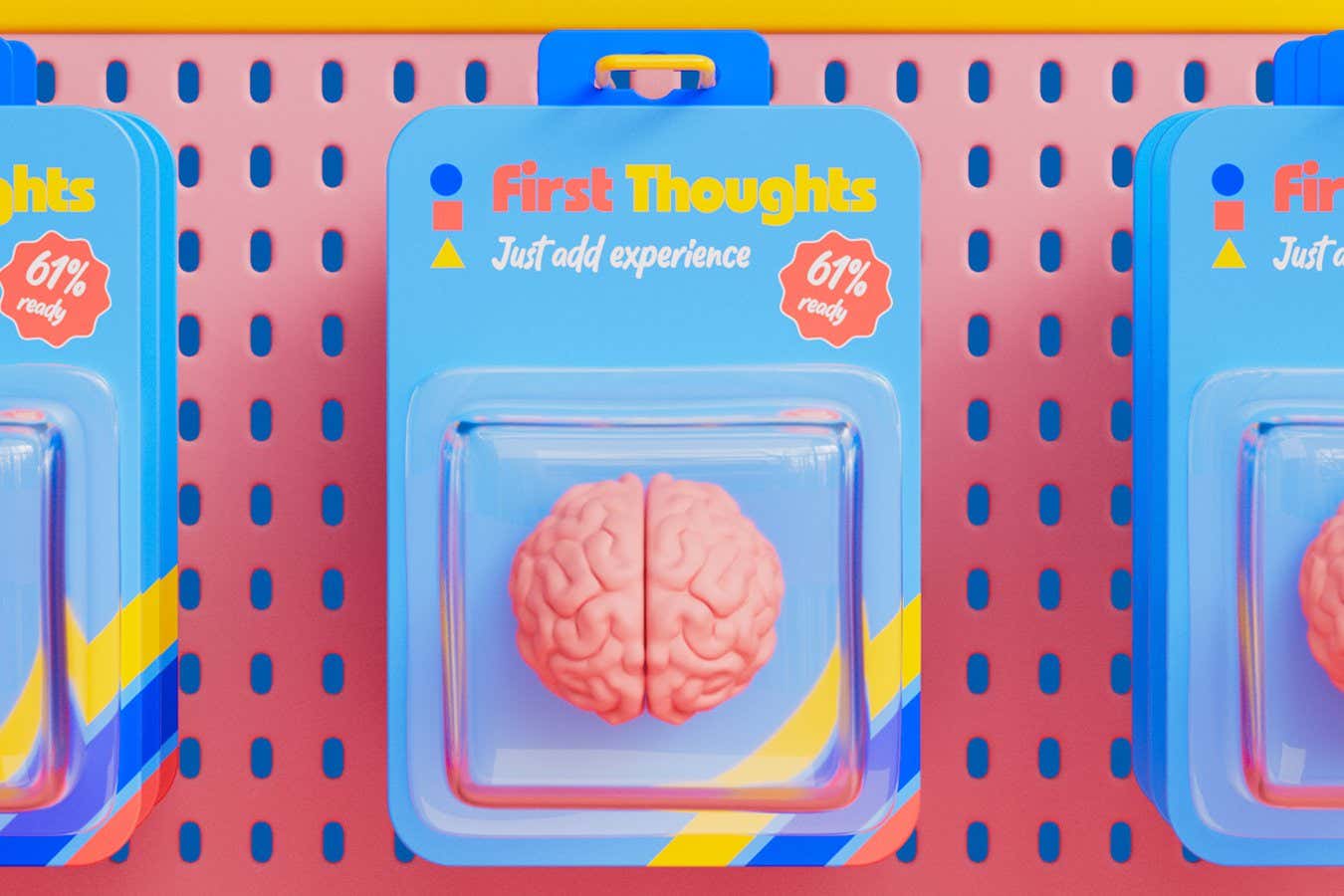
 Twitter / XHuman brains develop capacity for thought before birth, neuroscientist explainsnewscientist.com
Key quotes
· 3 pulledWe are born with the essential architecture of our brain raring to go.
They're forming in a smart way to make the system more efficient.
By the time we're born, our brains have all the hardware in place to form thoughts, and possibly even some conscious awareness
You might also wanna read

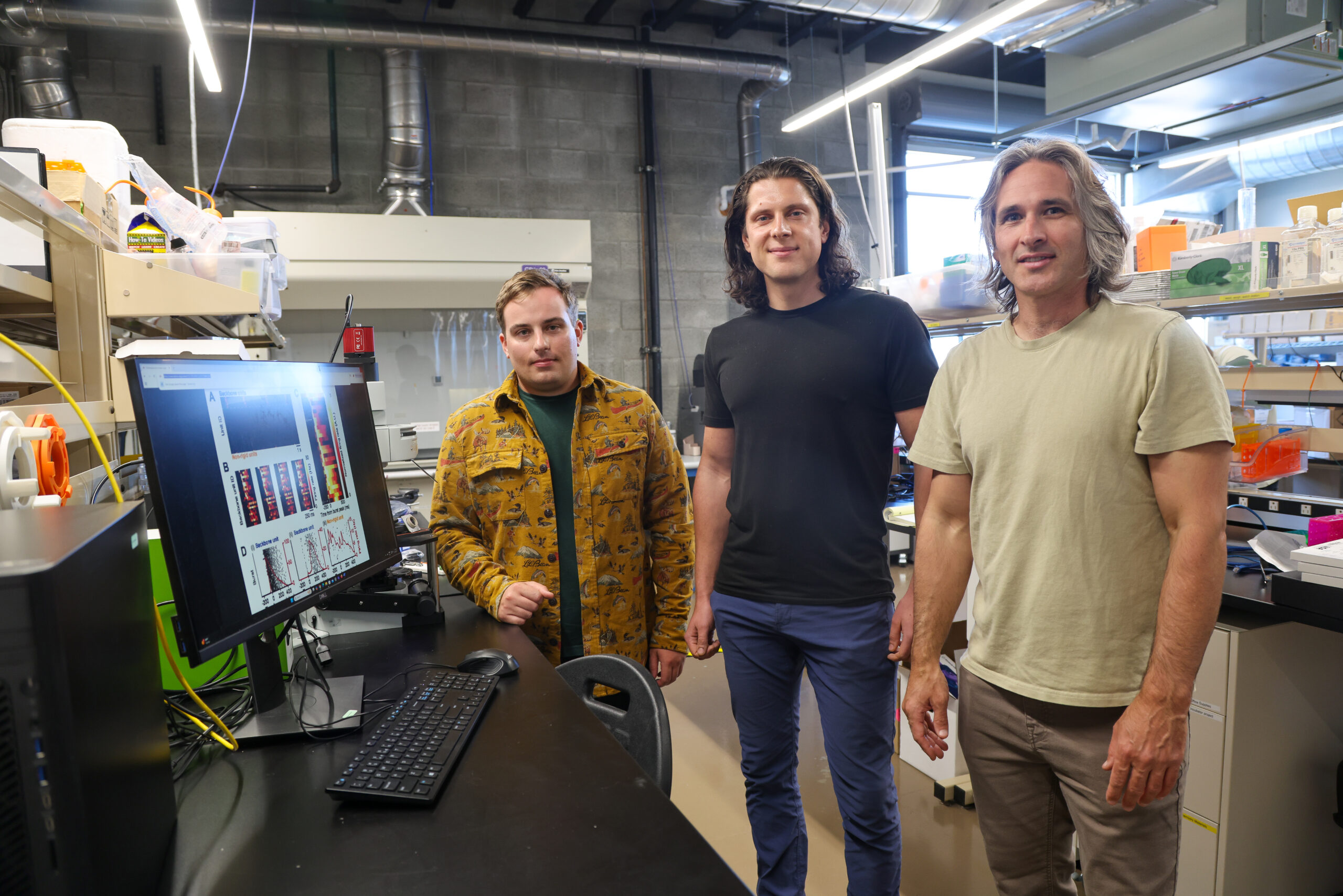
Brain Organoid Research Reveals Pre-Configured Electrical Patterns in Early Human Brain Development
Researchers at UC Santa Cruz used brain organoids to study early brain development, discovering that human brains show organized electrical
 news.ucsc.edu·7mo ago
Listening in on the human brain cells that produce speech

Study Identifies Five Developmental Epochs in Human Brain Organization with Turning Points at Ages 9, 32, 66, and 83
A comprehensive study analyzing brain scans of nearly 4,000 people from infancy to old age has identified five major developmental epochs in
 theguardian.com·7mo ago
Neuroscientist challenges decades-old model of how vision and thinking work in the brain
Neuroscientist Nuttida Rungratsameetaweemana is challenging the long-held conventional view that vision is a passive, feed-forward process w
 engineering.columbia.edu·1d ago
Neuroscientist challenges decades-old model of how vision and thinking work in the brain
Neuroscientist Nuttida Rungratsameetaweemana is challenging the long-held conventional view that vision is a passive, feed-forward process w
engineering.columbia.edu·1d ago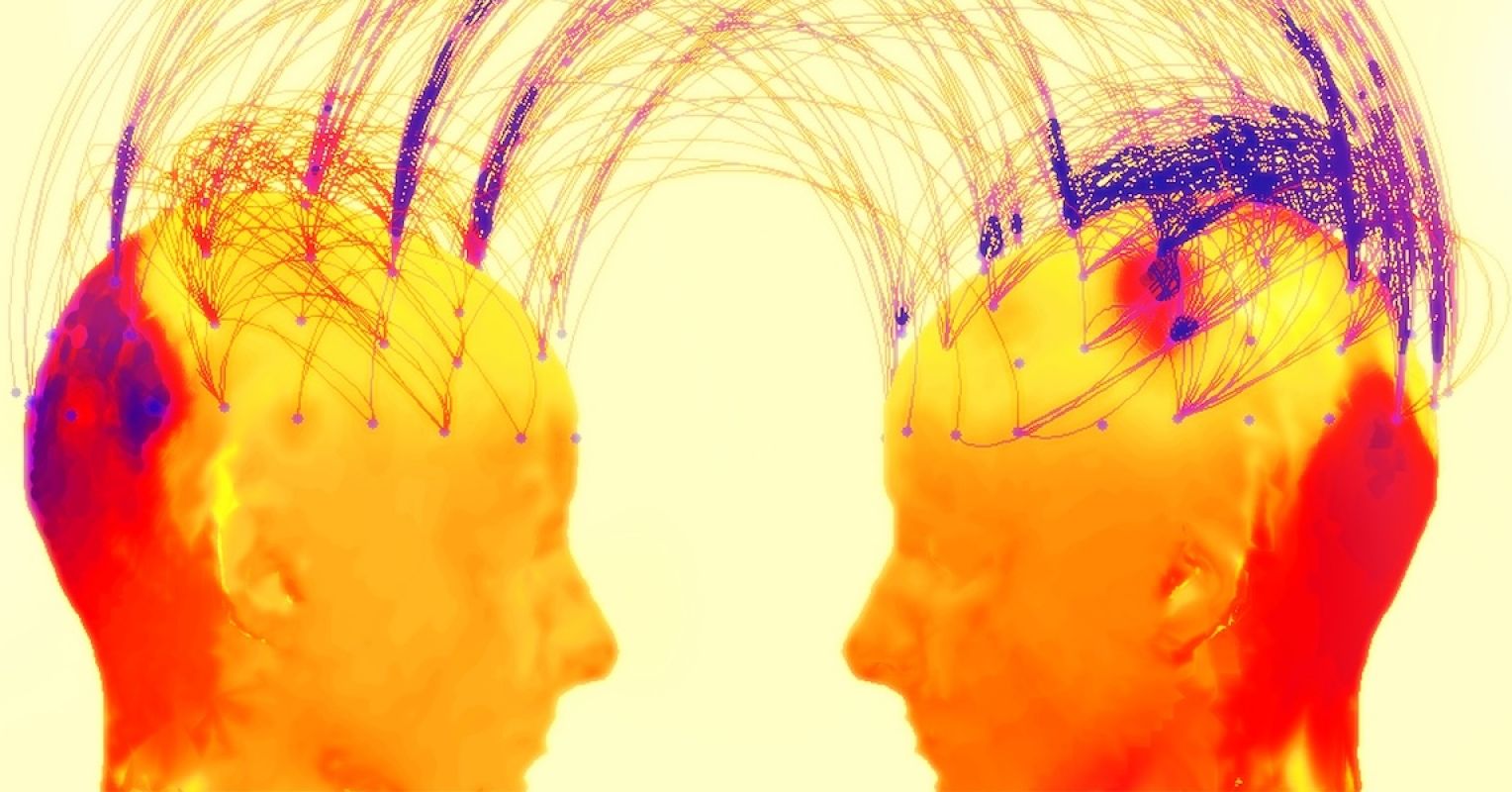
Neuroscience suggests real intelligence emerges between minds, not in isolation
This article explores the paradox that while AI systems excel at individual cognitive tasks like translation, protein folding, and chess, th
 psychologytoday.com·27d ago
A neurobiological account of conscious and nonconscious thought in decision-making
This Perspective article proposes an operational neurobiological account of thought, arguing that thoughts are neural representations of pro
 pnas.org·1mo ago
Comments
Sign in to join the conversation.
No comments yet. Be the first.