
























How Long Could Life Survive Without Sunlight? Lessons from the Asteroid That Ended the Dinosaurs
By
Silvia Pineda-Munoz PhD
Summary
This article explores how long life on Earth could survive without sunlight, using the asteroid impact that ended the Age of Dinosaurs 66 million years ago as a case study. It describes the immediate aftermath of the Chicxulub asteroid strike, which blasted dust and soot into the atmosphere, blocking sunlight and causing a global collapse of photosynthesis. The article examines which organisms survived the darkness (such as deep-sea creatures, those in caves, and organisms that could enter dormant states) and why, offering insights into the resilience of life and the conditions necessary for survival during planetary-scale catastrophes.
Source
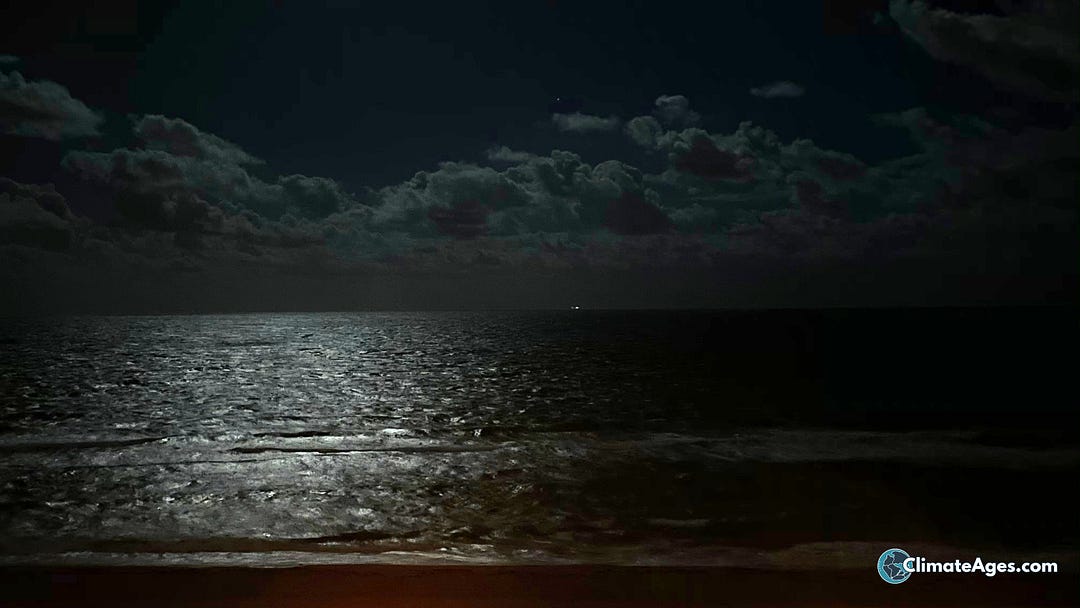
 bskyHow Long Could Life Survive Without Sunlight? Lessons from the Asteroid That Ended the Dinosaursclimateages.substack.com
Key quotes
· 3 pulledYou are smaller than a grain of sand. You drift with the currents near the sunlit surface of the sea.
Then, without warning, everything changes.
Dust, soot, and other particles are blasted into the atmosphere. Sunlight reaching the surface is blocked.
You might also wanna read

Study suggests complex life on Earth could survive 500 million years longer than previous estimates
The article discusses how complex life on Earth may survive for up to 500 million years longer than previously estimated, as the sun gradual
 newscientist.com·1d ago
New PBS series 'EONS: Life and Death on Pangea' explores the Permian-Triassic mass extinction
A new PBS Digital Studios series called "EONS: LIFE AND DEATH ON PANGEA" explores the Permian-Triassic extinction event, known as The Great
 popsci.com·7d ago
Sea cucumber detached tissues survive independently for over three years, study finds
Researchers have discovered that detached tissues from sea cucumbers, specifically from their tube feet and feeding tentacles, can survive i
 sciencenews.org·15h ago
Sea cucumber detached tissues survive independently for over three years, study finds
Researchers have discovered that detached tissues from sea cucumbers, specifically from their tube feet and feeding tentacles, can survive i
sciencenews.org·15h ago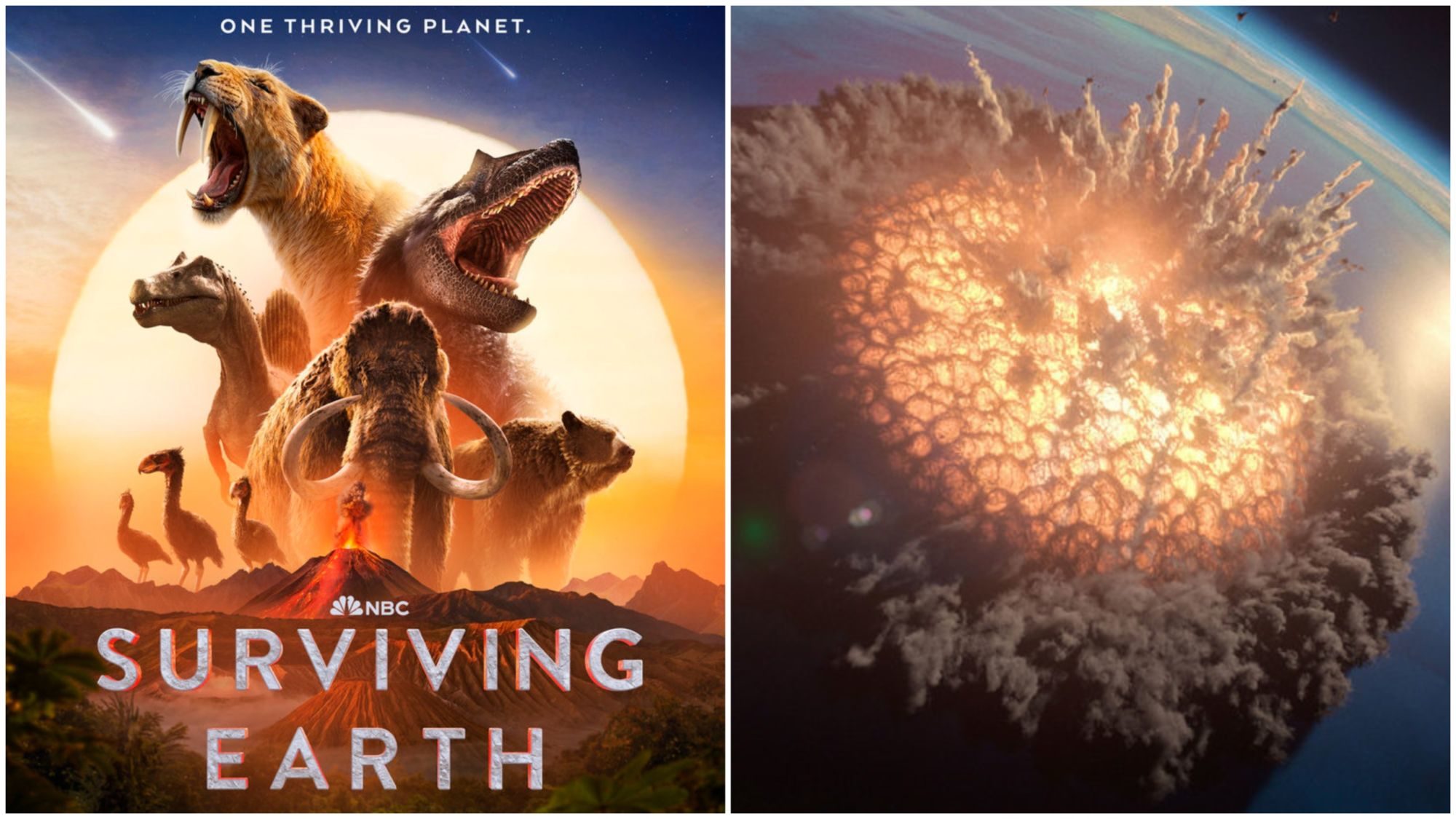
Preview: NBC's "Surviving Earth" S01E03 — "When the Asteroid Fell" Explores Life's Resilience After Catastrophe
A preview and recap of NBC's Surviving Earth S01E03: "When the Asteroid Fell," which takes viewers back 450 million years to explore the imp
Sterilized Soil Continues to Release Carbon Dioxide for Six Years, Hinting at Origins of Life
A biochemist named Sébastien Fontaine conducted a 15-year experiment attempting to sterilize soil completely using gamma radiation to measur
 quantamagazine.org·17d ago
Sterilized Soil Continues to Release Carbon Dioxide for Six Years, Hinting at Origins of Life
A biochemist named Sébastien Fontaine conducted a 15-year experiment attempting to sterilize soil completely using gamma radiation to measur
quantamagazine.org·17d ago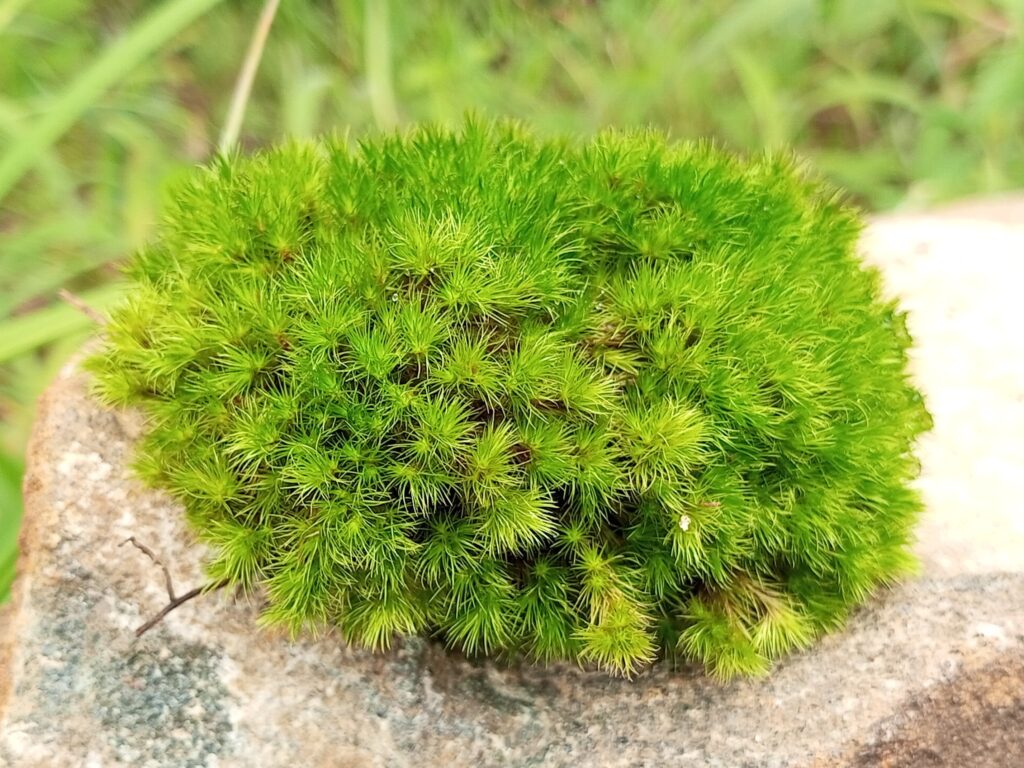
Moss Spores Survive 9 Months of Exposure to Space Vacuum on ISS
Scientists exposed spreading earthmoss (Physcomitrium patens) spore capsules to the extreme conditions of open space for nine months on the
 scienceclock.com·7mo ago
Comments
Sign in to join the conversation.
No comments yet. Be the first.