
























Study suggests complex life on Earth could survive 500 million years longer than previous estimates
By
Leah Crane
Summary
The article discusses how complex life on Earth may survive for up to 500 million years longer than previously estimated, as the sun gradually expands and brightens. While the sun will eventually become a red giant and destroy Earth in about 5 billion years, new research suggests that the planet's habitable window for complex organisms may be extended significantly beyond current models predicted.
Source

 Twitter / XStudy suggests complex life on Earth could survive 500 million years longer than previous estimatesnewscientist.com
Key quotes
· 3 pulledThe sun is getting brighter and expanding as it ages, and will one day begin to cook our planet before engulfing it altogether
As far as complex life goes, the last standing will be...
Estimates based on looking at other stars suggest that our sun is maturing into a red giant, a process that will destroy Earth in around 5 billion years
You might also wanna read


How Long Could Life Survive Without Sunlight? Lessons from the Asteroid That Ended the Dinosaurs
This article explores how long life on Earth could survive without sunlight, using the asteroid impact that ended the Age of Dinosaurs 66 mi
 climateages.substack.com·18d ago
3D Climate Model Suggests Longer Lifespan for Earth's Biosphere Than Previously Estimated
This article presents new three-dimensional climate model calculations that predict a longer lifetime for Earth's vegetative biosphere than
 agupubs.onlinelibrary.wiley.com·15d ago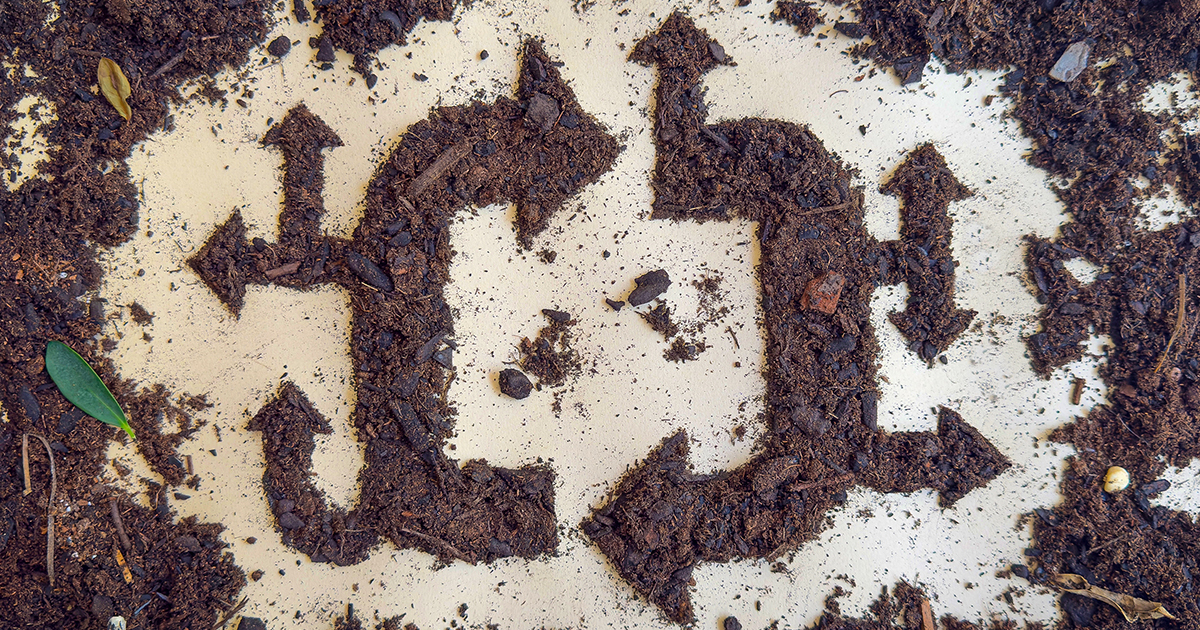
Sterilized Soil Continues to Release Carbon Dioxide for Six Years, Hinting at Origins of Life
A biochemist named Sébastien Fontaine conducted a 15-year experiment attempting to sterilize soil completely using gamma radiation to measur
 quantamagazine.org·18d ago
Sterilized Soil Continues to Release Carbon Dioxide for Six Years, Hinting at Origins of Life
A biochemist named Sébastien Fontaine conducted a 15-year experiment attempting to sterilize soil completely using gamma radiation to measur
quantamagazine.org·18d ago
Architecture and Sustainability: Rethinking Building Lifespans in the Age of Embodied Carbon
The article examines the question of how long buildings should last in the context of sustainability and embodied carbon concerns. It contra
 Dezeen·6mo ago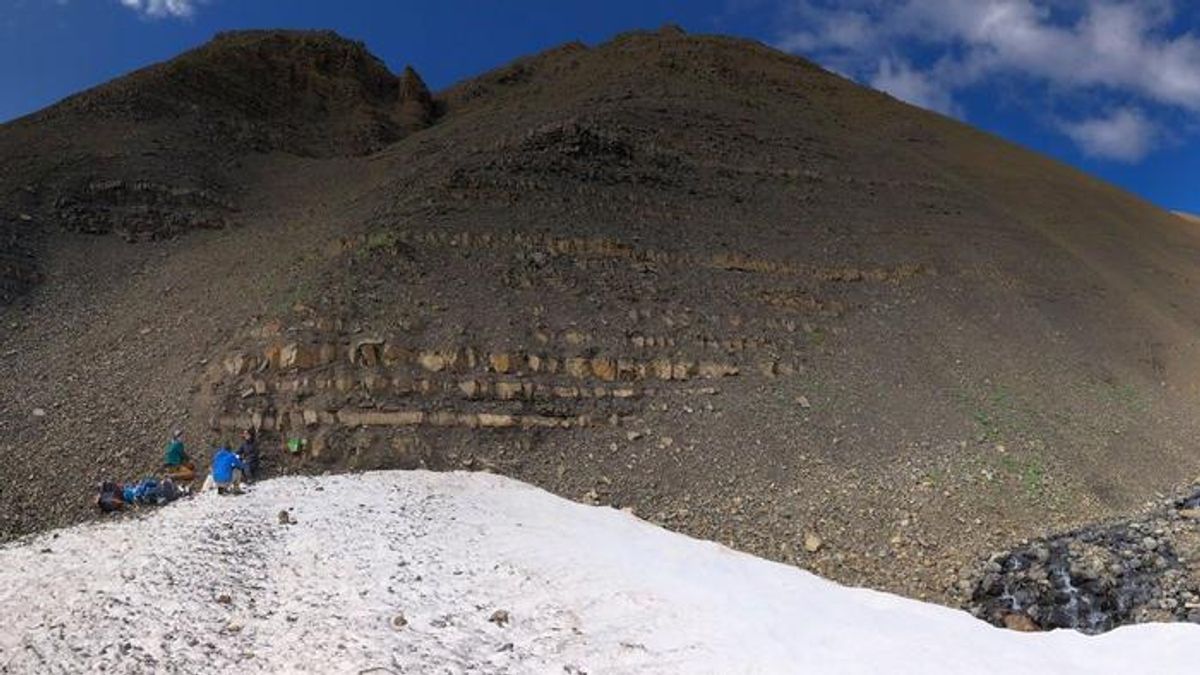
Alaskan Rock Study Shows Oceans Lost Oxygen 8 Million Years Before End-Triassic Mass Extinction
New research published in Nature Communications Earth & Environment reveals that Earth's oceans began losing oxygen nearly 8 million years b
 discovermagazine.com·16d ago
Climate Science: The Risk of Earth Entering an Irreversible Hothouse Trajectory
The article discusses Earth's climate trajectory and the risk of entering a 'hothouse Earth' state. It explains that Earth's climate has osc
Comments
Sign in to join the conversation.
No comments yet. Be the first.