





















Architecture and Sustainability: Rethinking Building Lifespans in the Age of Embodied Carbon
By
Nat Barker

Kettled twice. Extra chewy, extra trustworthy.
Summary
The article examines the question of how long buildings should last in the context of sustainability and embodied carbon concerns. It contrasts the ideal of permanent architecture with the reality that most commercial buildings have a standard design life of 50-60 years, often lasting only half that time. The piece explores the tension between designing for longevity versus adaptability, and how sustainability considerations are changing architectural thinking about building lifespans.
Key quotes
· 3 pulled"When we build, let us think that we build forever," the 19th-century critic John Ruskin famously wrote in his seminal book The Seven Lamps of Architecture.
Most commercial buildings have a standard design life of around 50 to 60 years, and it's common for them to last only half that long.
Concerns about embodied carbon are increasing the impetus to design architecture that stands the test of time.
You might also wanna read

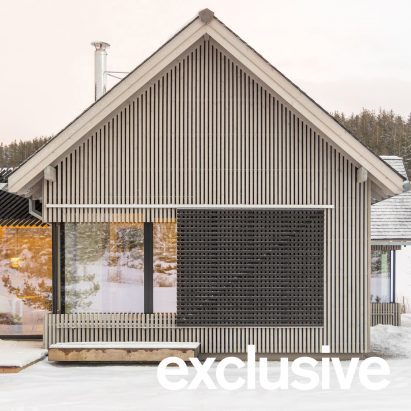
Moxon Architects completes Passivhaus-standard house extension in Aberdeenshire with barn-like timber volumes
Moxon Architects has completed an extension to a house in rural Aberdeenshire, Scotland, adding two barn-like volumes clad in timber battens
 Dezeen·1mo ago
Top 10 Mass-Timber Architectural Projects of 2025: Innovative Buildings Using Cross-Laminated Timber and Glulam
The article presents a review of the top 10 mass-timber buildings of 2025, showcasing innovative architectural projects using cross-laminate
Dezeen·5mo ago
UWE Bristol student projects feature sustainable agriculture factory and accessible art kit
This article from Dezeen School Shows highlights several student projects from UWE Bristol, including a proposal for a sustainable agricultu
Dezeen·21d ago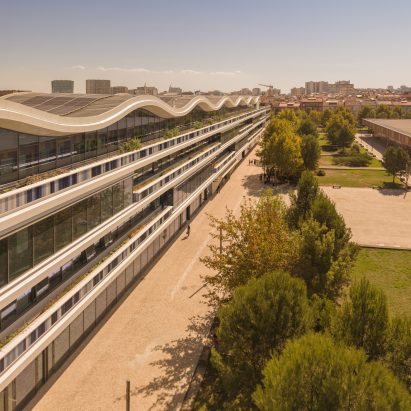
Abandoned Lisbon shopping mall transformed into Oriente Green Campus innovation hub
Architecture studios KPF and Saraiva+Associados have transformed an unfinished, abandoned shopping mall structure in Moscavide, north of Lis
Dezeen·27d ago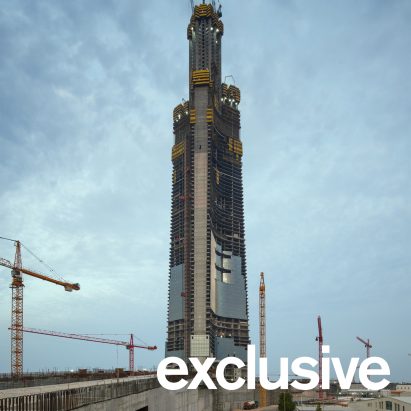
Jeddah Tower construction reaches 100th floor, photos reveal
US architecture firm Adrian Smith + Gordon Gill Architecture has released exclusive photos showing construction progress on Jeddah Tower in
Dezeen·1mo ago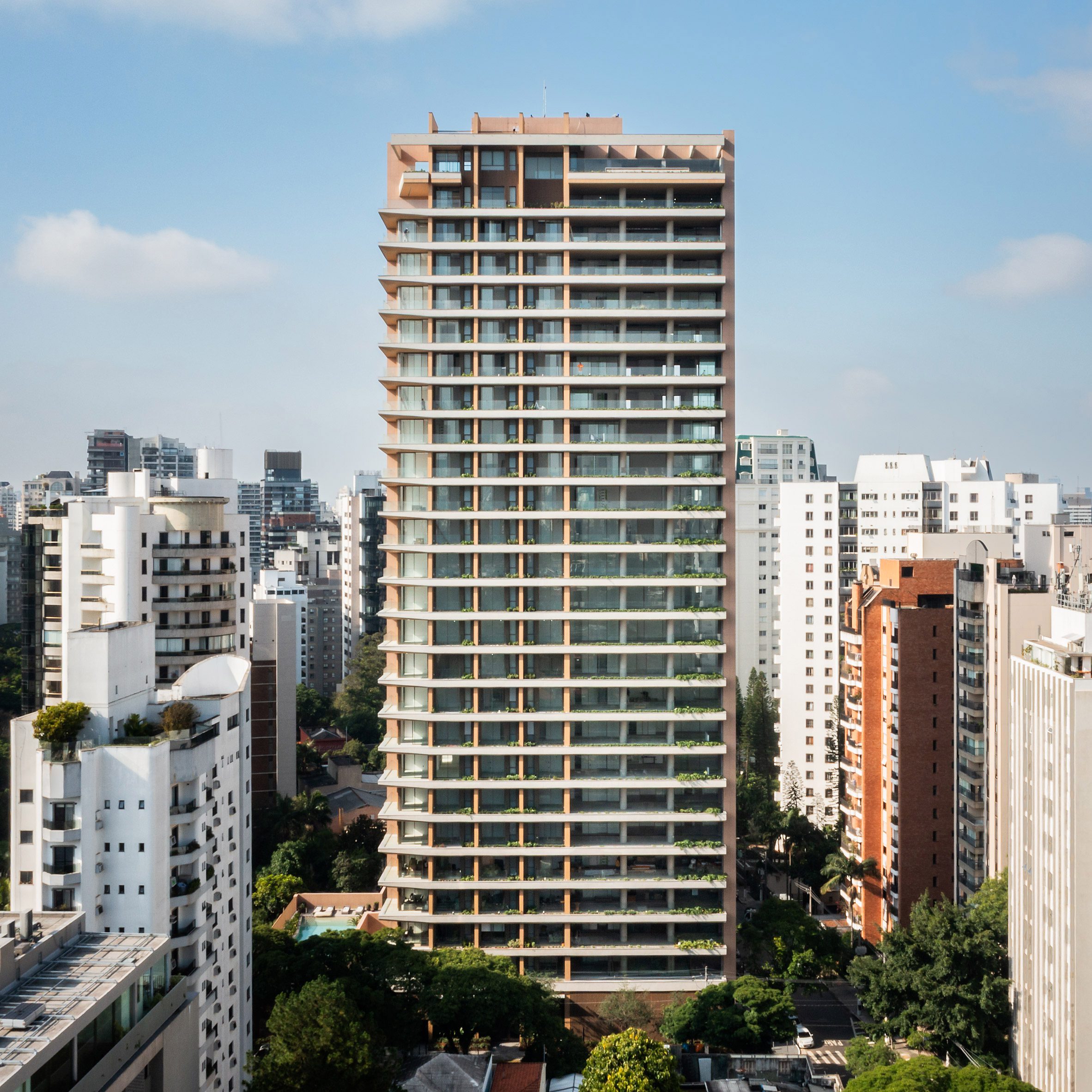
São Paulo Skyscraper Features Rare Wood Cladding by Brazilian Architects
Brazilian architecture firm Königsberger Vannucchi Arquitetos Associados has completed the Bueno Brandão 257 residential skyscraper in São P
Dezeen·1mo ago