





















Climate Science: The Risk of Earth Entering an Irreversible Hothouse Trajectory
By
Archelaos

Fresh out the oven, still warm. Top of the tray.
Summary
The article discusses Earth's climate trajectory and the risk of entering a 'hothouse Earth' state. It explains that Earth's climate has oscillated between ice ages and warmer interglacials for millions of years, with the Holocene providing a stable climate that enabled human civilization to develop. However, current global temperatures are now as warm as or warmer than any period in the last 125,000 years, and rising CO2 levels are pushing the climate system toward critical thresholds. The article warns that crossing these thresholds could trigger self-reinforcing feedback loops and tipping points that would amplify warming and destabilize Earth's systems, potentially committing the planet to an irreversible hothouse trajectory with severe long-term consequences.
Key quotes
· 4 pulledEarth's climate is now departing from the stable conditions that supported human civilization for millennia.
Crossing critical temperature thresholds may trigger self-reinforcing feedbacks and tipping dynamics that amplify warming and destabilize distant Earth system components.
Uncertain tipping thresholds make precaution essential, as crossing them could commit the planet to a hothouse trajectory with long-lasting and potentially irreversible consequences.
Today, global temperatures are as warm as, or warmer than, any period in the last 125,000 years and it is likely that carbon dioxide levels are high.
You might also wanna read


NASA Evidence Shows Unprecedented Rate of Modern Climate Change
NASA presents scientific evidence showing that Earth's current warming trend is unprecedented in its rate of change compared to natural clim
 science.nasa.gov·3mo ago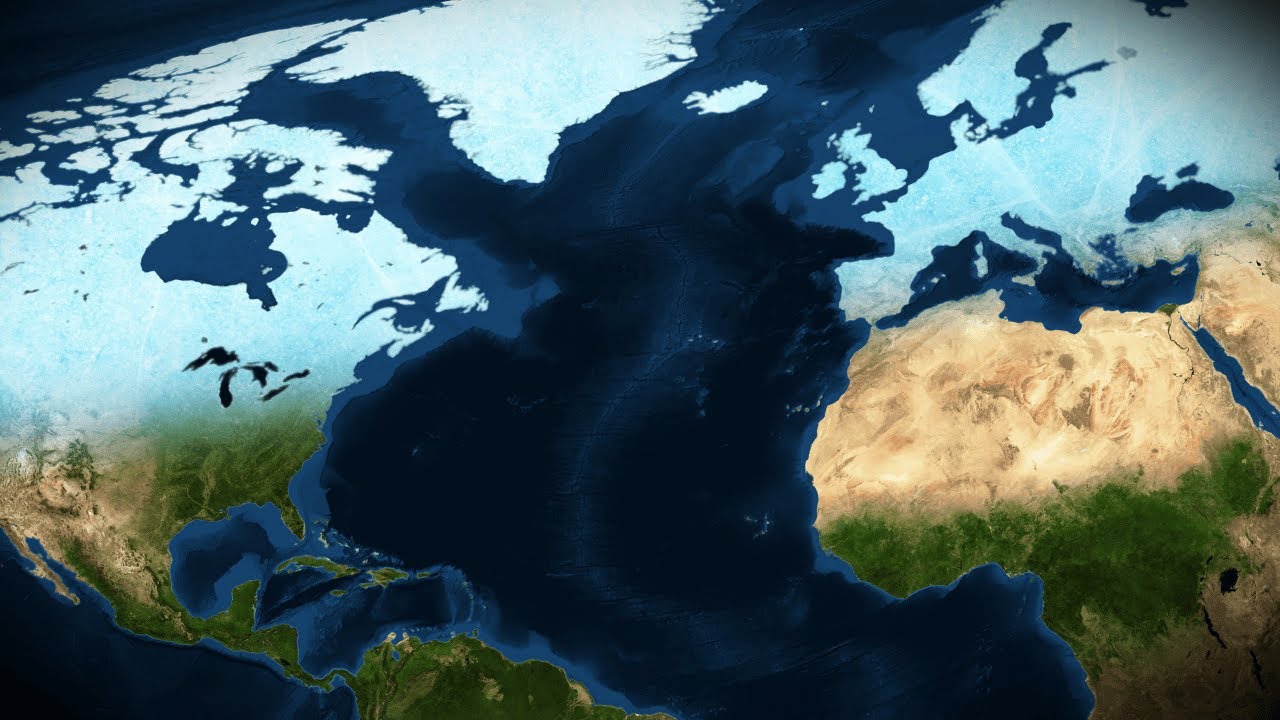
Scientific Analysis: The Atlantic Meridional Overturning Circulation (AMOC) and Its Potential Collapse Due to Climate Change
The article discusses the potential collapse of the Atlantic Meridional Overturning Circulation (AMOC), also known as the Gulf Stream, which
 thatjoescott.com·3mo ago
Climate Scientists Struggle to Explain Why 2023 Was 0.2°C Hotter Than Expected
NASA climate scientist Gavin Schmidt expressed humility in Nature about scientists' inability to fully understand why 2023 was approximately
 economist.com·4mo ago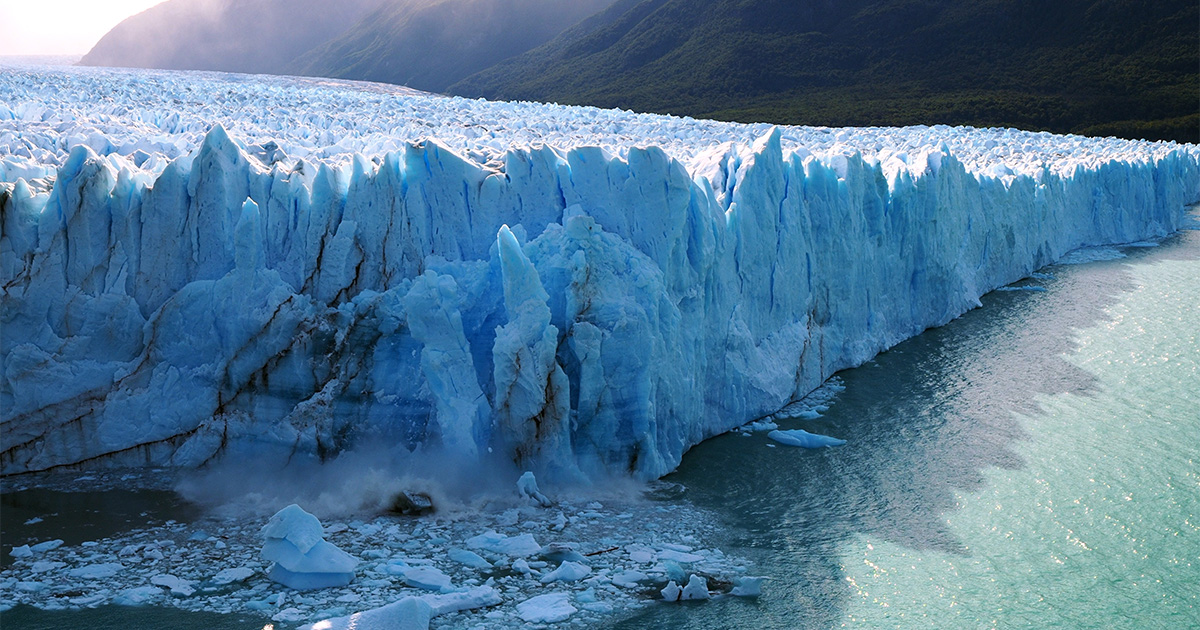
The Uncertain Timeline of West Antarctic Ice Sheet Collapse and Sea Level Rise
The article examines the critical question of when and how quickly the West Antarctic Ice Sheet will collapse, which holds enough water to r
 quantamagazine.org·7mo ago
Climate scientists drop worst-case scenario as global action makes it increasingly unlikely
Climate scientists have removed the worst-case emissions scenario (RCP8.5/SSP5-8.5) from new climate projections because global climate acti
 theconversation.com·2d ago
Europe's forests struggle to survive as climate-driven heatwaves intensify
The article reports on how Europe's forests are suffering from climate-driven heatwaves and drought, using the example of a dying oak tree i
 enca.com·2d ago