
























The Uncertain Timeline of West Antarctic Ice Sheet Collapse and Sea Level Rise
The uniquely vulnerable West Antarctic Ice Sheet holds enough water to raise global sea levels by 5 meters. But when that will happen — and how fast — is anything but settled.
Read the full articleYou might also wanna read
Why Antarctica froze millions of years before the Arctic
East Antarctica hosts the largest ice sheet on Earth, containing enough water to raise global sea levels by 52 meters (171 feet) were it to

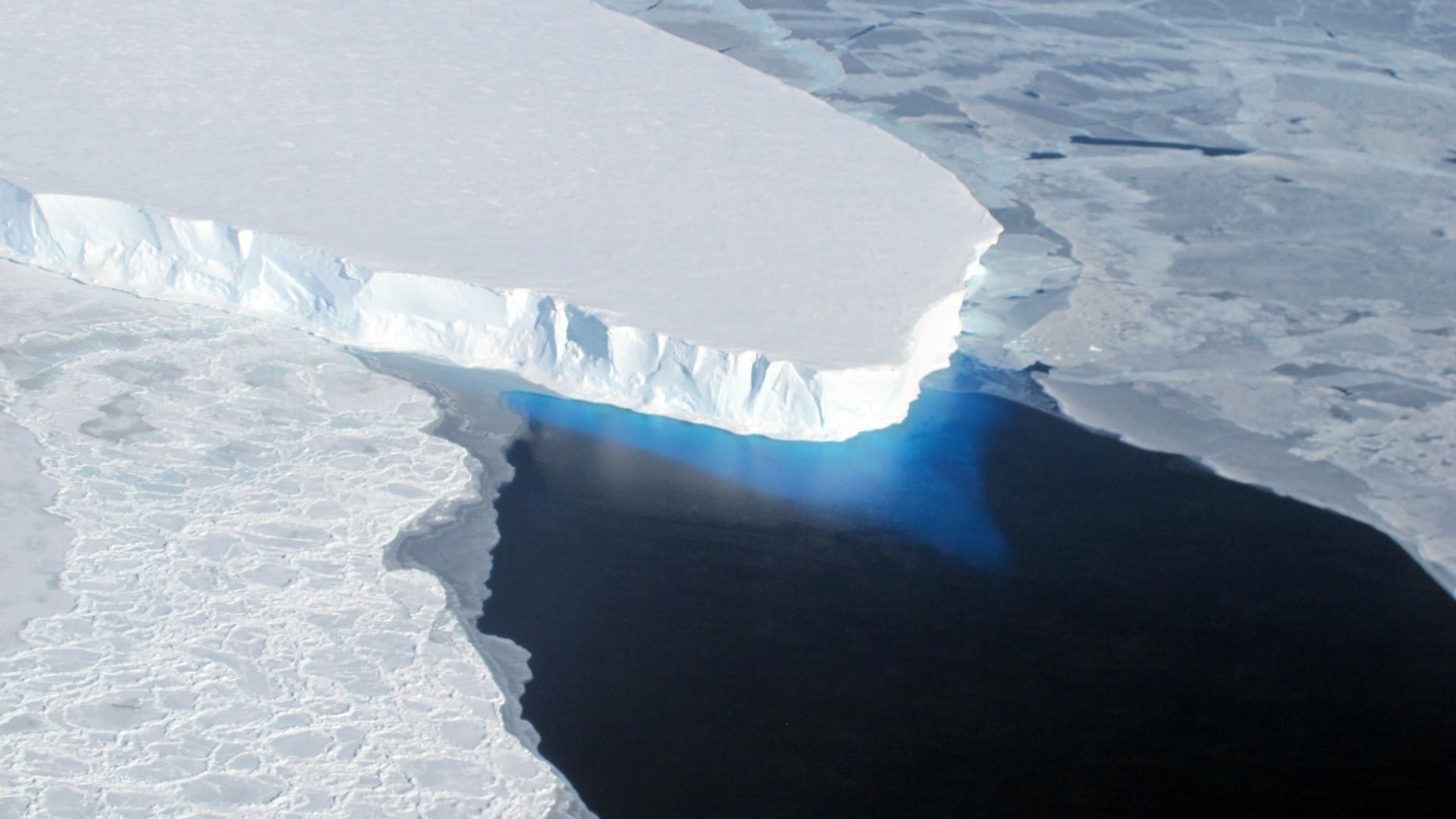
Antarctica's Thwaites 'Doomsday Glacier' faces imminent ice shelf loss, accelerating sea-level rise threat
West Antarctica's "Doomsday Glacier" is on the brink of losing its ice shelf, further compromising the already melting ice mass and threaten
 livescience.com·1mo ago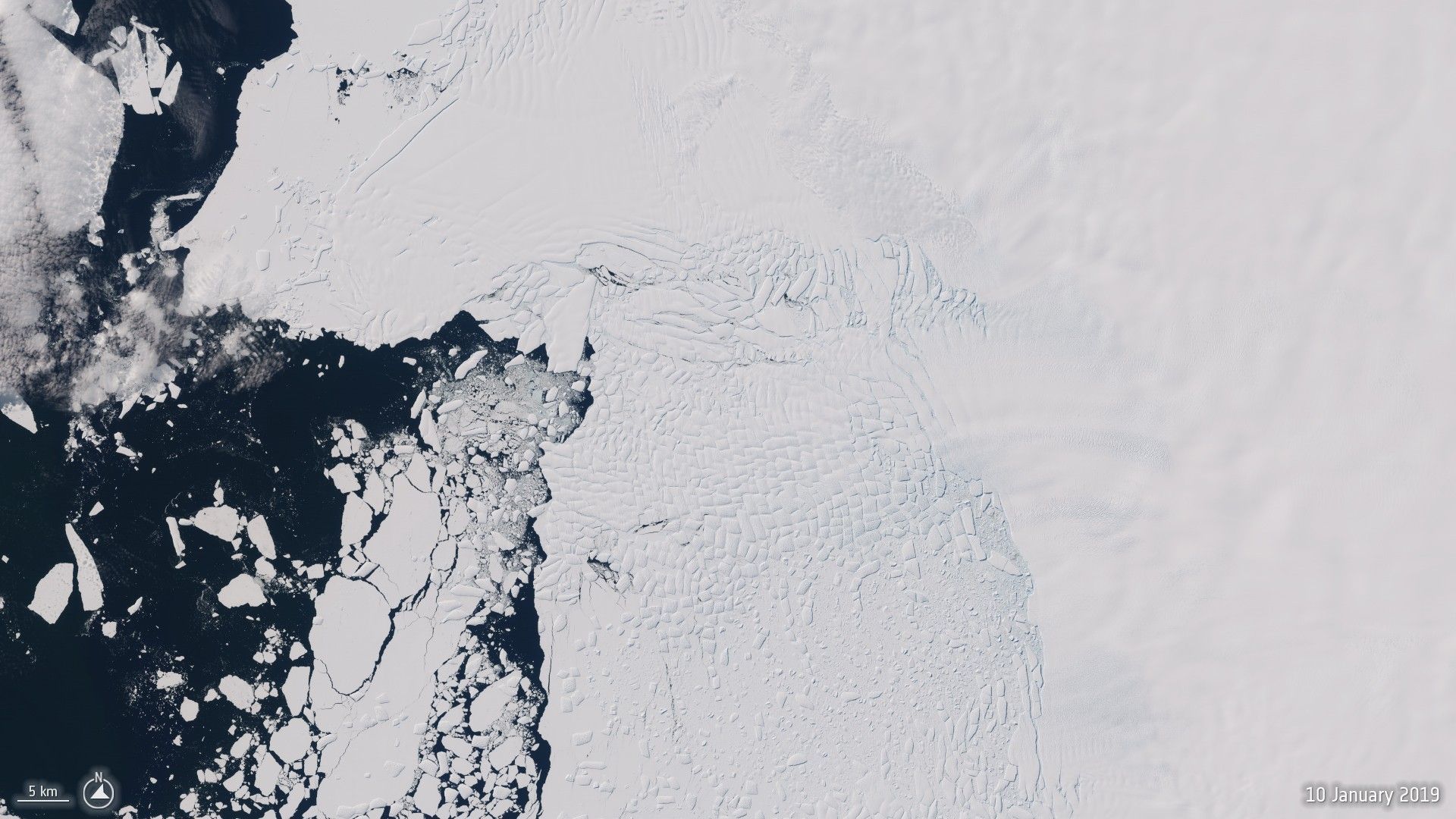
Thwaites 'Doomsday Glacier' expected to lose protective ice shelf this year, threatening global sea level rise
Researchers have warned that the Thwaites Glacier, one of the largest glaciers in the world, is about to lose its eastern ice shelf. We spok
livescience.com·1mo ago
Why Antarctic Sea Ice Declined After Decades of Growth
A Stanford University study explains why Antarctic sea ice expanded for decades before collapsing in 2016, finding that trapped ocean heat a

Acceleration of an Antarctic outlet glacier driven by surface meltwater input to the base
Borehole observations confirm meltwater-driven acceleration of grounded ice in Antarctica, suggesting its impacts on ice sheet dynamics and

GIANT Project Deploys Robot Fleet to Study Greenland Glacier Melt and AMOC Tipping Points
An international team of researchers are heading to Greenland this week (July 16, 2026) for a six-week expedition to study how quickly the i
Comments
Sign in to join the conversation.
No comments yet. Be the first.