
























New PBS series 'EONS: Life and Death on Pangea' explores the Permian-Triassic mass extinction
By
Laura Baisas
Summary
A new PBS Digital Studios series called "EONS: LIFE AND DEATH ON PANGEA" explores the Permian-Triassic extinction event, known as The Great Dying, which wiped out 80 percent of all life on Earth roughly 252 million years ago. The six-episode series brings this catastrophic chapter of Earth's history to life, focusing on a mass extinction event that was even more devastating than the one that killed the dinosaurs.
Source
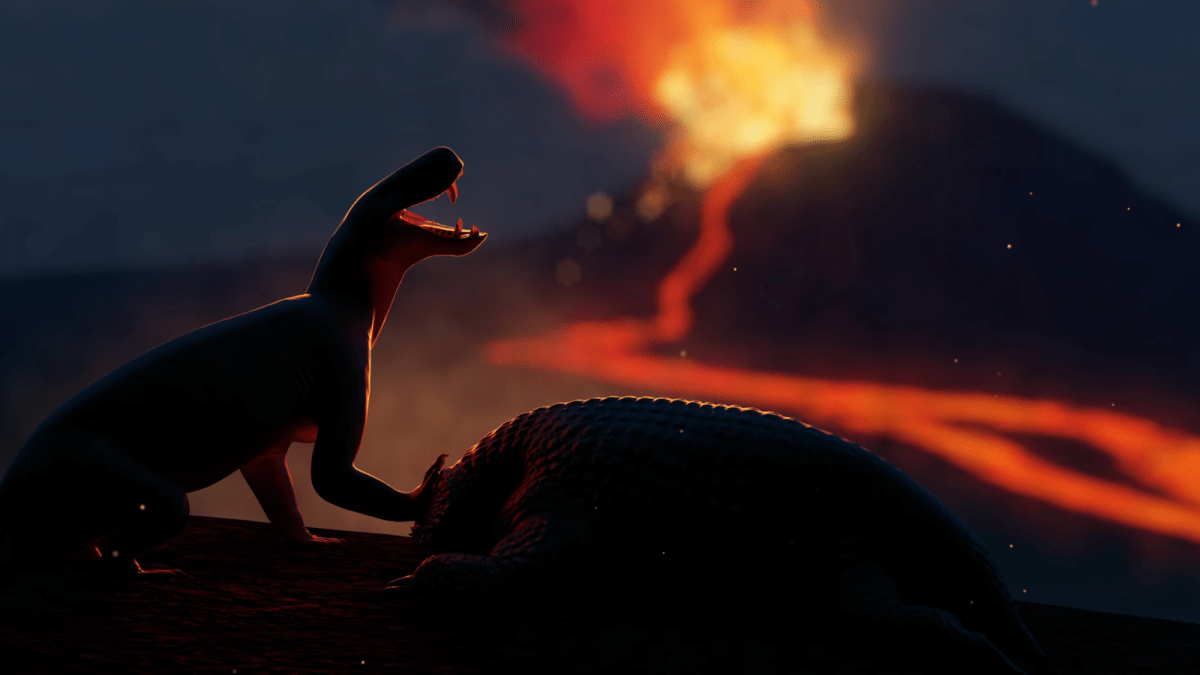
 Twitter / XNew PBS series 'EONS: Life and Death on Pangea' explores the Permian-Triassic mass extinctionpopsci.com
Key quotes
· 3 pulledDuring The Great Dying, upwards of 80 percent of life on Earth was wiped out.
The mass extinction event that wiped out the dinosaurs gets most of the buzz, but there was an even worse bout of mass death ages before the dinosaurs said goodbye.
The Great Dying (or Permian-Trassic extinction) wiped out 80 percent of all life on Earth roughly 252 million years ago.
You might also wanna read

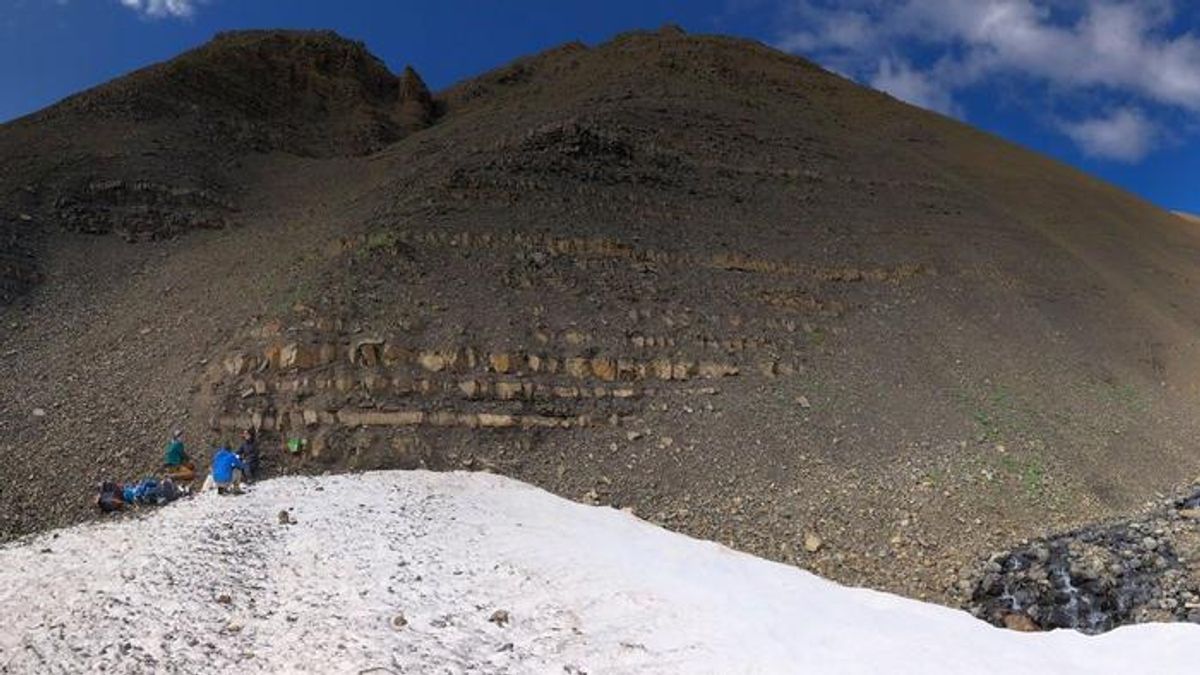
Alaskan Rock Study Shows Oceans Lost Oxygen 8 Million Years Before End-Triassic Mass Extinction
New research published in Nature Communications Earth & Environment reveals that Earth's oceans began losing oxygen nearly 8 million years b
 discovermagazine.com·16d ago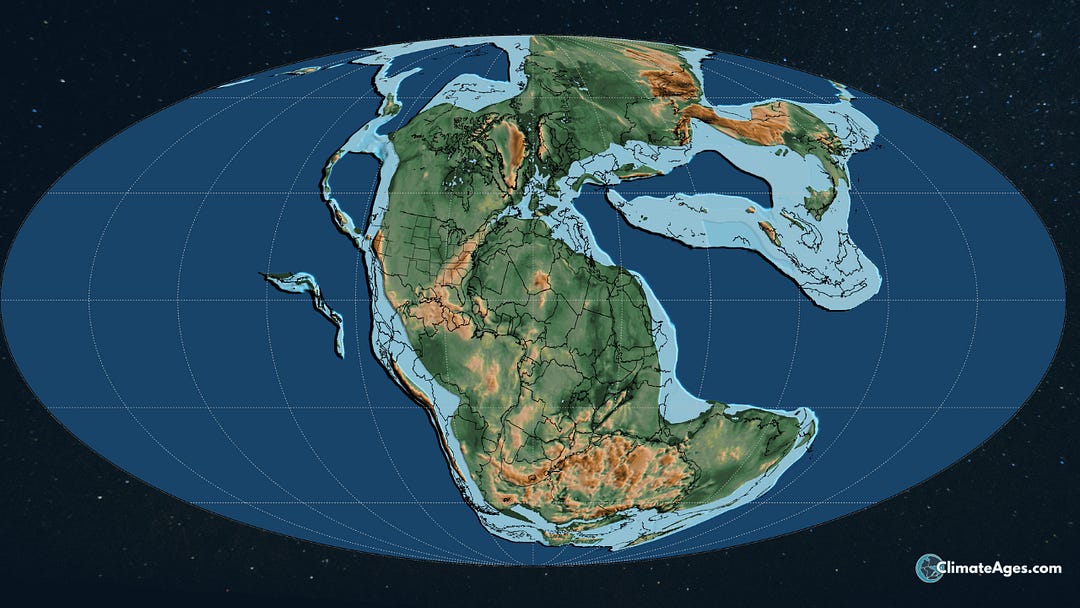
New evidence suggests ocean changes preceded the end-Triassic mass extinction by millions of years
New evidence suggests that the end-Triassic mass extinction (201 million years ago), which paved the way for dinosaurs to become dominant, m
 climateages.substack.com·25d ago
Oceans lost oxygen 8 million years before end-Triassic mass extinction, study finds
New research reveals that oceans began losing oxygen nearly 8 million years before the end-Triassic mass extinction, not just during the ext
 news.vt.edu·25d ago
Tim Haines returns with Surviving Earth, a docuseries exploring mass extinctions and life's recovery over 450 million years
Producer Tim Haines, co-creator of Walking with Dinosaurs, returns with Surviving Earth, a new docuseries premiering on NBC that explores ei
 theguardian.com·16d ago
How Long Could Life Survive Without Sunlight? Lessons from the Asteroid That Ended the Dinosaurs
This article explores how long life on Earth could survive without sunlight, using the asteroid impact that ended the Age of Dinosaurs 66 mi
climateages.substack.com·18d ago
Volcanic Eruptions Triggered Hydrogen Sulfide Buildup and Permian Mass Extinction
Research suggests that volcanic eruptions in Siberia 251 million years ago triggered a cascade of events that led to the Permian mass extinc
 psu.edu·7mo ago
Comments
Sign in to join the conversation.
No comments yet. Be the first.