
























Supermassive black holes may predate the galaxies they inhabit, solving a cosmic mystery
By
Leah Crane
Summary
This article explores the long-standing cosmological question of whether galaxies or their supermassive black holes came first. Drawing on Samuel Butler's philosophical analogy about hens and eggs, the author presents evidence that supermassive black holes may predate the galaxies they inhabit. The piece discusses the symbiotic relationship between galaxies and their central black holes, where galaxies feed the black holes while black holes shape galactic evolution. The article suggests that recent observations and research point toward black holes being the "seed" from which galaxies grow, potentially solving this cosmic chicken-or-egg problem.
Source
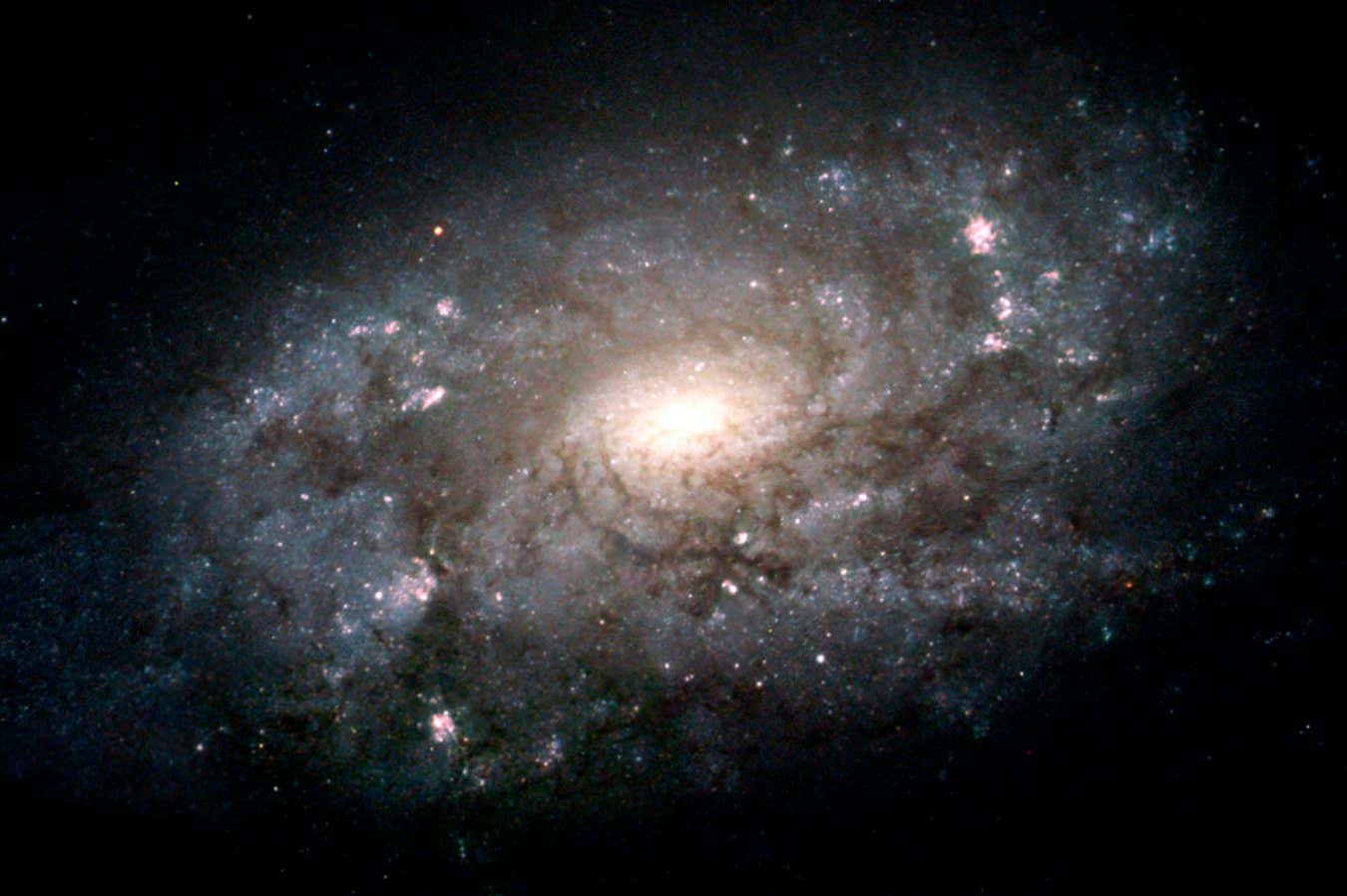
 Twitter / XSupermassive black holes may predate the galaxies they inhabit, solving a cosmic mysterynewscientist.com
Key quotes
· 3 pulledIf, as novelist-philosopher Samuel Butler wrote in 1878, 'a hen is only an egg's way of making another egg', then a galaxy may only be a black hole's way of making another black hole.
Every massive galaxy we've ever seen, across the entire universe, has a supermassive black hole at its centre.
The two are inextricably linked: all the stuff of the galaxy feeds the black hole, which, in turn, shapes the galaxy's evolution.
You might also wanna read

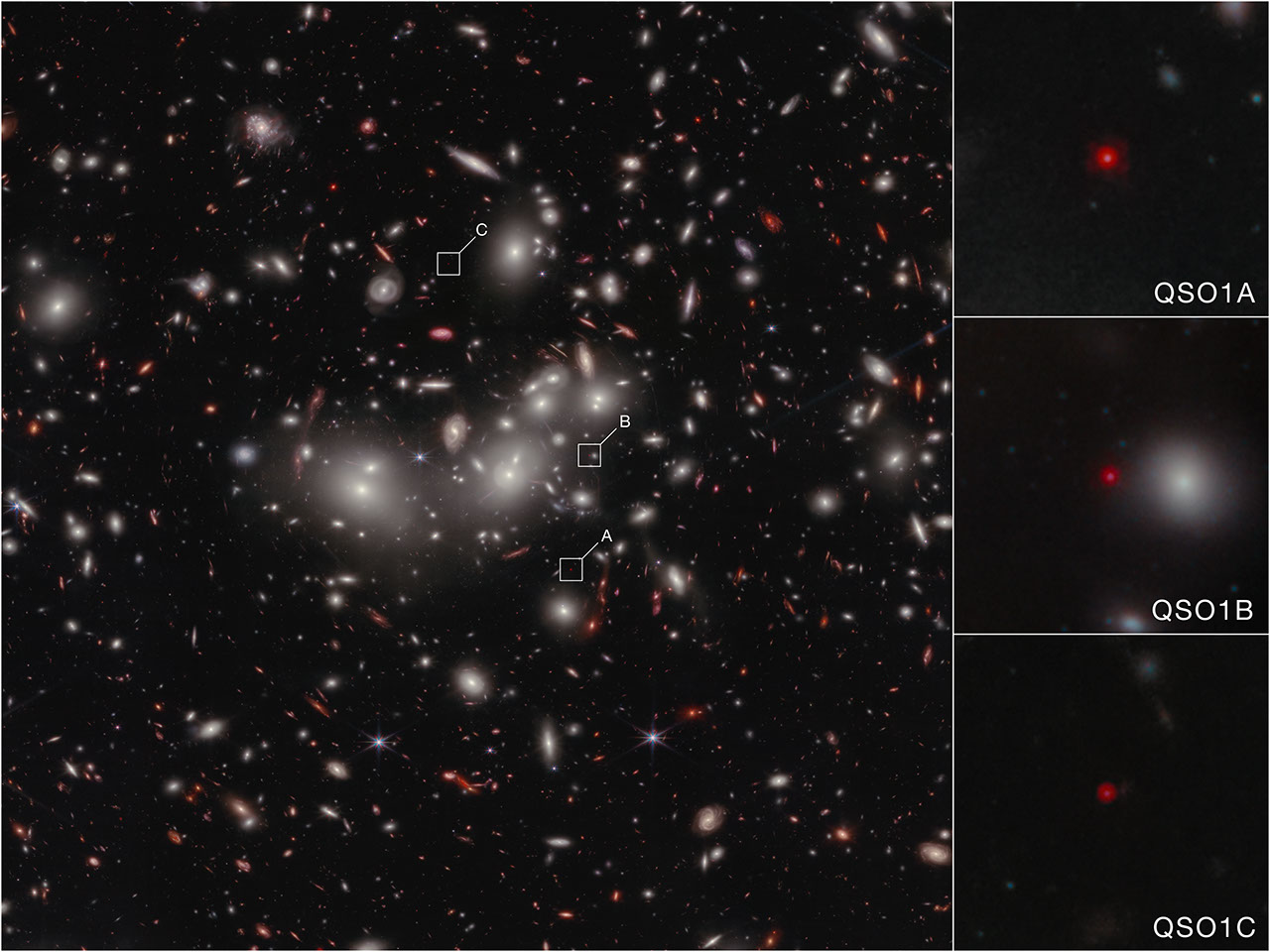
NASA's Webb Telescope Detects Black Hole That Formed Before Its Host Galaxy, Challenging Cosmic Evolution Theories
Researchers using NASA's James Webb Space Telescope have detected a massive black hole in the early universe that appears to have formed bef
 science.nasa.gov·1mo ago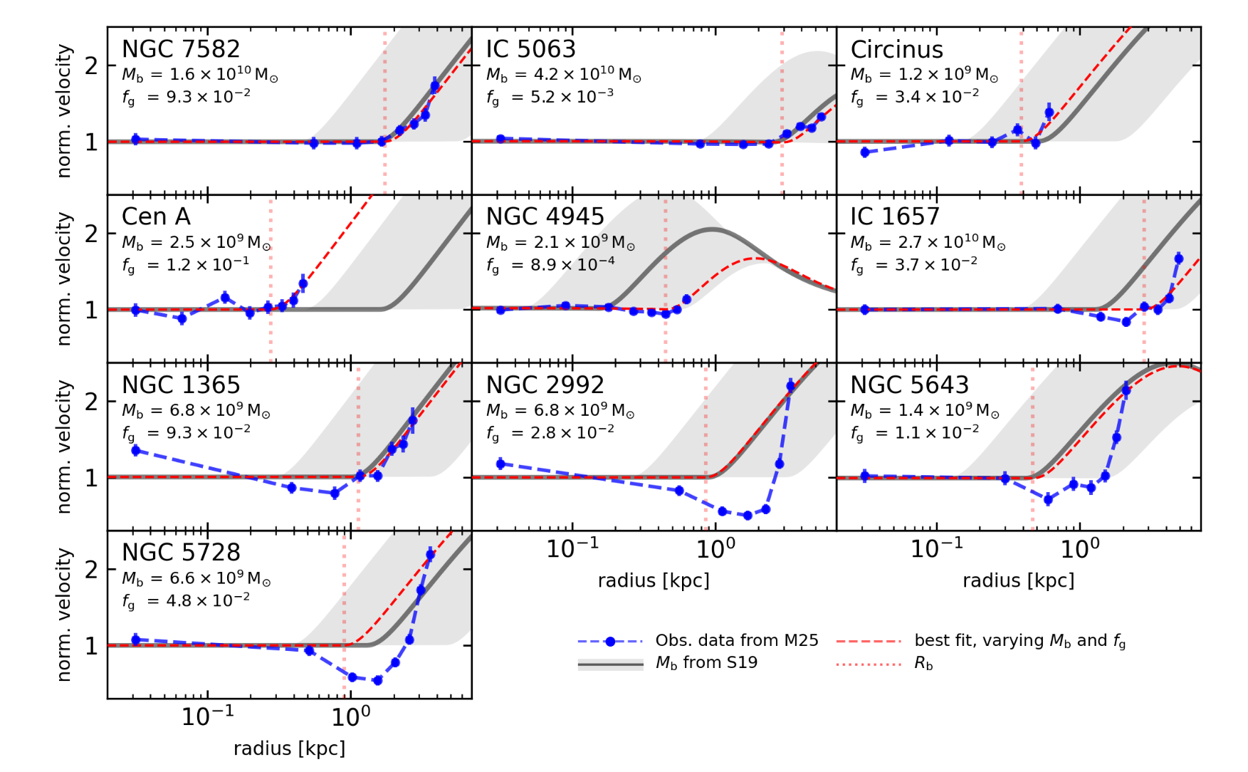
AGN outflows accelerate after escaping galactic bulge, new study proposes
This article discusses a scientific paper published in Astronomy & Astrophysics by Kastytis Zubovas and Matas Tartėnas about active galactic
 astrobites.org·2d ago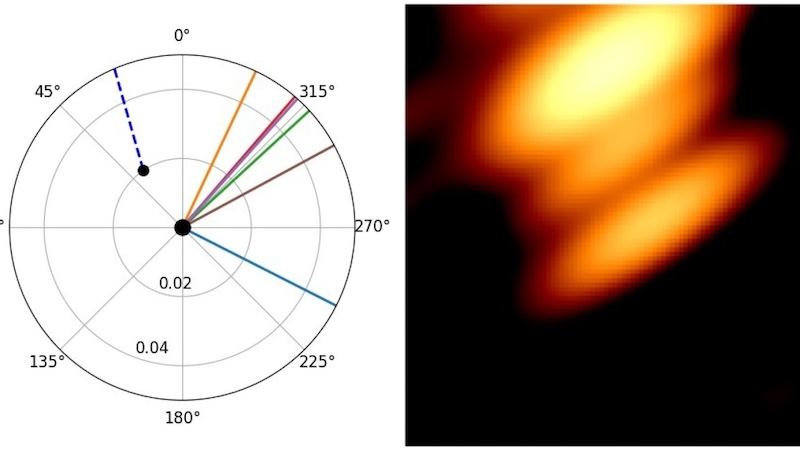
First Image Captured of Two Black Holes Orbiting Each Other in Distant Quasar
Scientists have captured the first confirmed image of two black holes orbiting each other in quasar OJ287, located five billion light-years
 helsinkitimes.fi·8mo ago
Discovery of a 36 Billion Solar Mass Black Hole in the Cosmic Horseshoe Gravitational Lens
The article discusses the discovery of a supermassive black hole (SMBH) with a mass of 36 billion solar masses at the center of the Cosmic H
 academic.oup.com·10mo ago
NSF VLA Reveals Supermassive Black Holes Emit Radio "Burps" Years After Destroying Stars
Astronomers using the NSF Very Large Array have discovered that supermassive black holes continue to emit radio waves years after tearing ap
 public.nrao.edu·19d ago
Scientists propose planets could exist around supermassive black holes
The article discusses the possibility of planets existing around supermassive black holes, drawing on the history of exoplanet discoveries i
 scientificamerican.com·29d ago
Comments
Sign in to join the conversation.
No comments yet. Be the first.