
























AGN outflows accelerate after escaping galactic bulge, new study proposes
By
Chloe Klare
Summary
This article discusses a scientific paper published in Astronomy & Astrophysics by Kastytis Zubovas and Matas Tartėnas about active galactic nucleus (AGN) outflows. The authors challenge an earlier proposed theory about why accretion-driven outflows in nearby active galaxies accelerate in the galactic outskirts. They present their own alternative theory and outline what observational evidence is needed to settle the debate. The piece is framed as a journal club-style analysis of the drama unfolding in extragalactic astronomy around galaxy evolution theories.
Source
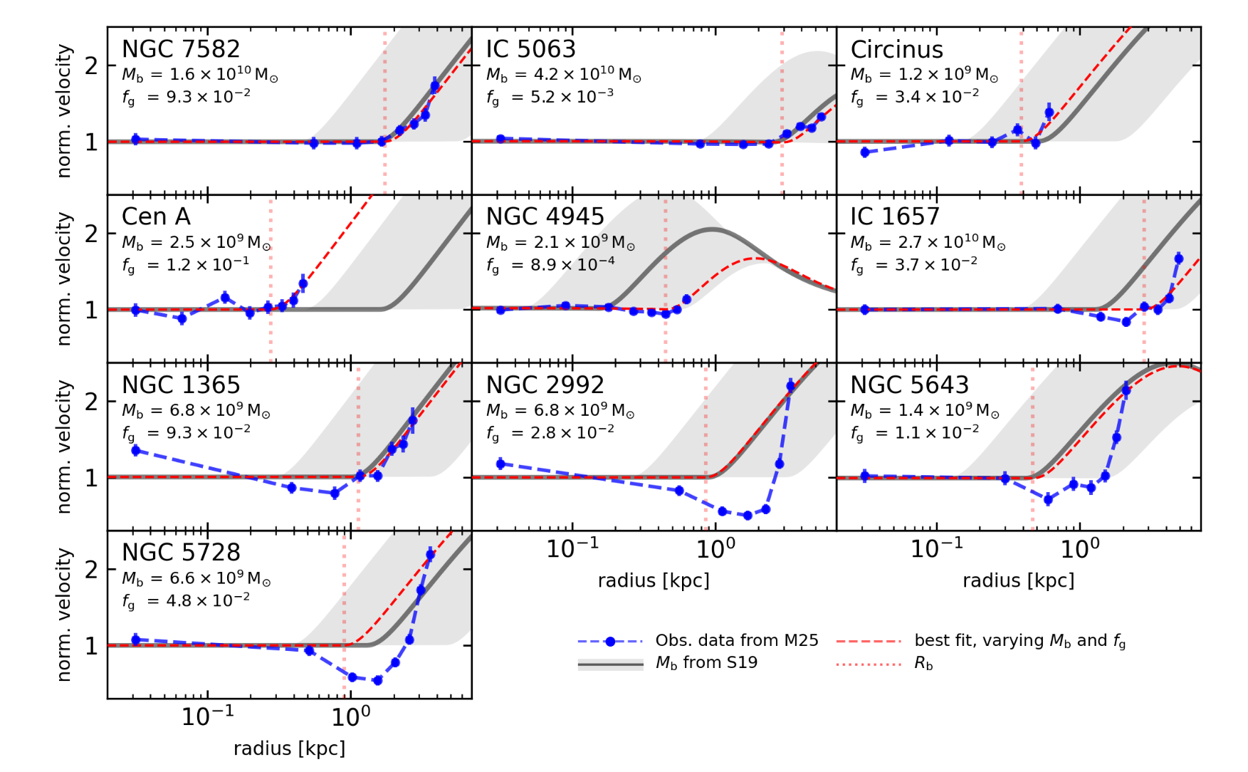
 bskyAGN outflows accelerate after escaping galactic bulge, new study proposesastrobites.org
Key quotes
· 3 pulledDrama is unfolding in the villa…and it's more juicy than anything ever seen on Love Island.
A comprehensive theory of galaxy evolution is the holy grail in extragalactic astronomy; who doesn't want to be the one to find it?
Our authors explain why an earlier proposed theory is likely wrong, present their own theory, and let the observers know what they need to do to settle the debate.
You might also wanna read

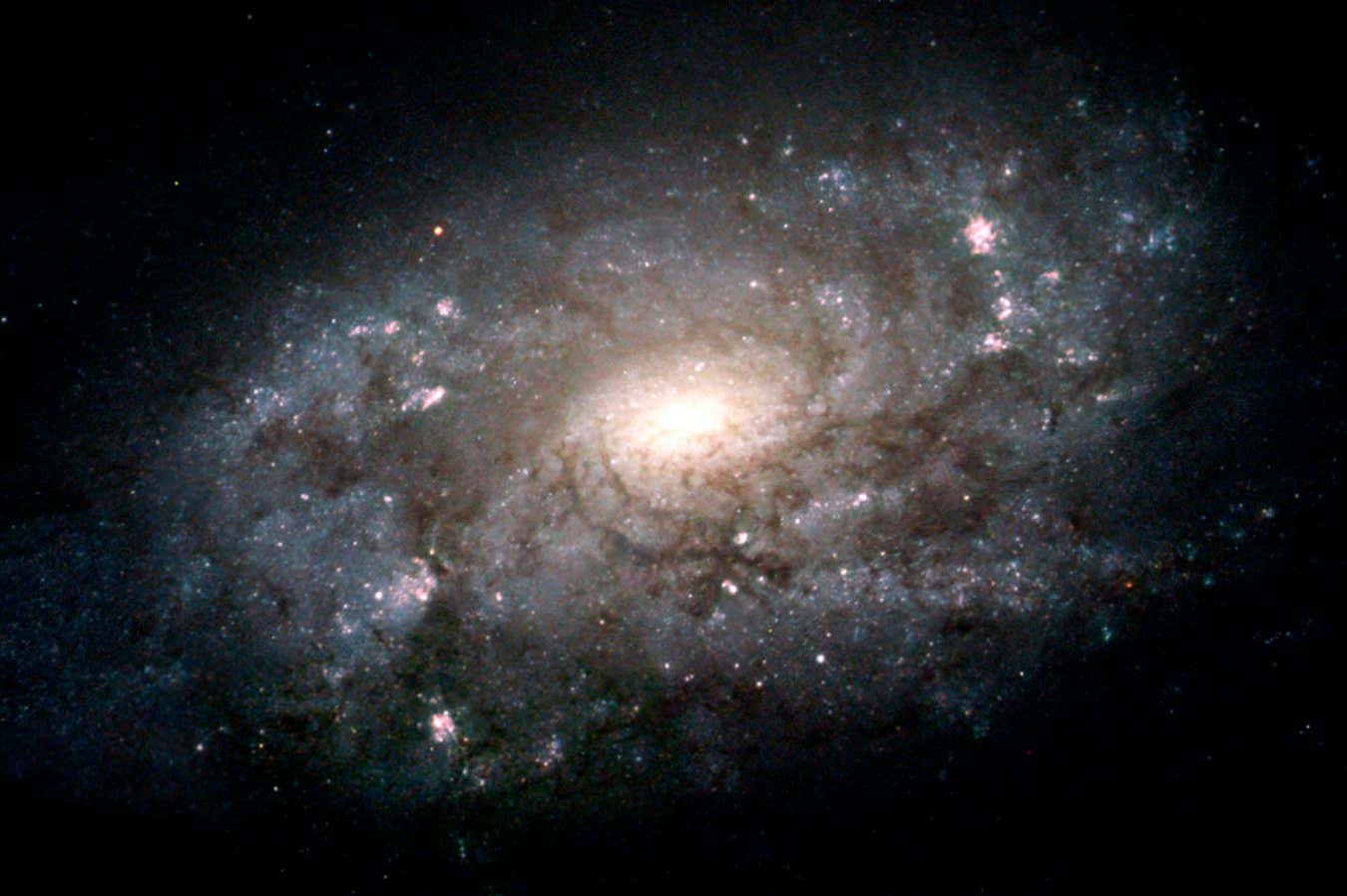
Supermassive black holes may predate the galaxies they inhabit, solving a cosmic mystery
This article explores the long-standing cosmological question of whether galaxies or their supermassive black holes came first. Drawing on S
 newscientist.com·7d ago
XMM-Newton and Chandra data reveal Milky Way's outer spiral arms are 10% farther than previously thought
Using XMM-Newton and Chandra X-ray space telescopes, astronomers have detected light echoes from three bright explosions (supernovae) in the
XMM-Newton and Chandra data reveal Milky Way's outer spiral arms are 10% farther than previously thought
Using XMM-Newton and Chandra X-ray space telescopes, astronomers have detected light echoes from three bright explosions (supernovae) in the
Astrophysicists Grapple with Unexpected JWST Discoveries of Early Galaxies and Black Holes
Astrophysicists are grappling with unexpected discoveries from the James Webb Space Telescope (JWST), particularly "little red dots" — myste
 quantamagazine.org·2d ago
Astrophysicists Grapple with Unexpected JWST Discoveries of Early Galaxies and Black Holes
Astrophysicists are grappling with unexpected discoveries from the James Webb Space Telescope (JWST), particularly "little red dots" — myste
quantamagazine.org·2d ago3I/ATLAS shows perihelion burst and radial-only non-gravitational acceleration
Echo mapping technique reveals hints of dark matter clusters around supermassive black holes
Astronomers using a technique called echo mapping have found evidence suggesting that supermassive black holes, including Sagittarius A* at
 space.com·14d ago
Comments
Sign in to join the conversation.
No comments yet. Be the first.