
























Study: Eating fruit at dinner linked to better glucose control in obese adults
By
Lusa
Summary
A study led by the University of Granada and published in 'Clinical Nutrition' found that eating fruit at dinner is associated with better nighttime glucose control in obese adults. The research challenges alarmist narratives about fruit consumption at night, noting that fiber and bioactive compounds in fruit promote better glycemic response. The study warns that avoiding fruit due to unfounded fear may be counterproductive, especially in populations at high risk of type 2 diabetes.
Source

 bskyStudy: Eating fruit at dinner linked to better glucose control in obese adultssapo.pt
Key quotes
· 3 pulledO consumo de fruta ao jantar está associado a um melhor controlo da glicose noturna em adultos obesos, contrariando a narrativa alarmista sobre o seu consumo a essa hora
Além do teor de açúcar, as fibras e os compostos bioativos promovem, geralmente, uma melhor resposta glicémica subsequente
numa população com elevado risco de diabetes tipo 2, deixar de consumir fruta por medo infundado 'pode até ser contraproducente'
You might also wanna read

Study: Higher-Fiber and Higher-Protein Breakfasts Improve Appetite Control and Gut Health in Weight Loss Trial
This study examines how different breakfast compositions affect appetite control and gut health during weight loss. Researchers conducted a
 cambridge.org·3mo ago
Dietary Guidelines for Managing Prediabetes: Focus on Vegetables and Portion Control
This article provides dietary guidance for individuals diagnosed with prediabetes, focusing on eating more nonstarchy vegetables, cutting ba
 wb.md·18h ago
Systematic Review: Effects of Intermittent Fasting on Weight and Cardiometabolic Risk Factors
The systematic review and network meta-analysis evaluates the effects of intermittent fasting diets (alternate day fasting, time-restricted
 bmj.com·10mo ago
Study Links Intermittent Fasting to Increased Cardiovascular Death Risk
A new study analyzing 19,000 adults has found that intermittent fasting with eight-hour eating windows may be linked to a higher risk of car
 bbc.com·10mo ago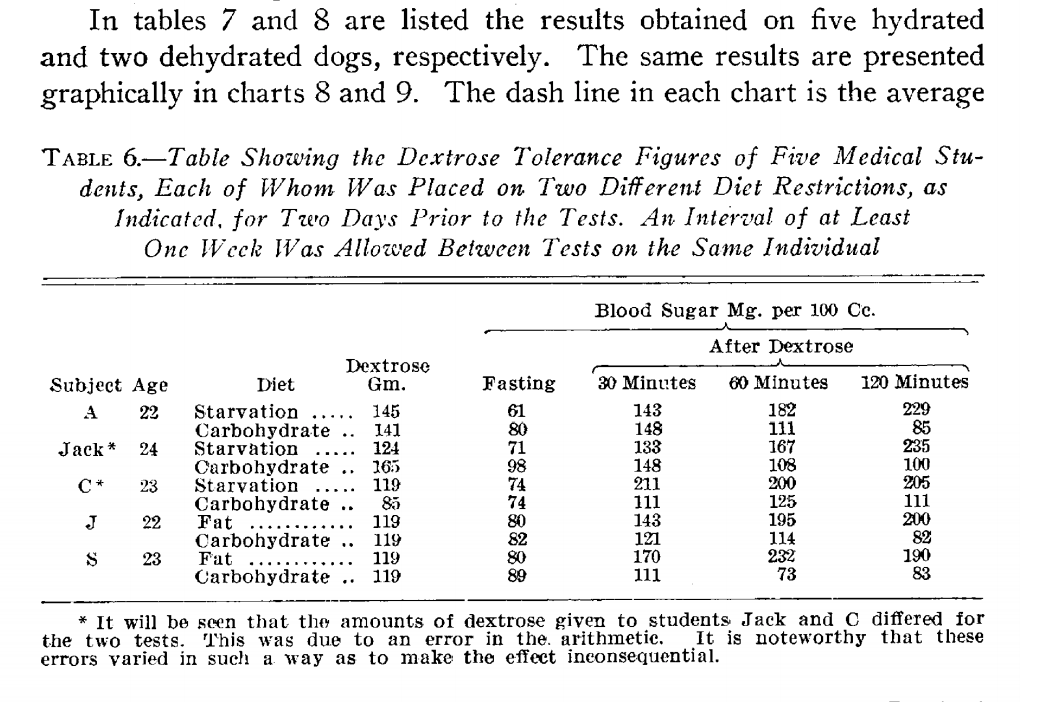
1927 study: Carbohydrate consumption improves glucose tolerance while fat and fasting induce insulin resistance
A 1927 preliminary study by Dr. J. Shirley Sweeney investigating how different dietary macronutrient compositions affect glucose tolerance t
 meatrition.com·8d ago
Comments
Sign in to join the conversation.
No comments yet. Be the first.