
























Study: Higher-Fiber and Higher-Protein Breakfasts Improve Appetite Control and Gut Health in Weight Loss Trial
Big breakfast diet composition impacts on appetite control and gut health: a randomised weight loss trial in adults with overweight or obesity
Read the full articleYou might also wanna read

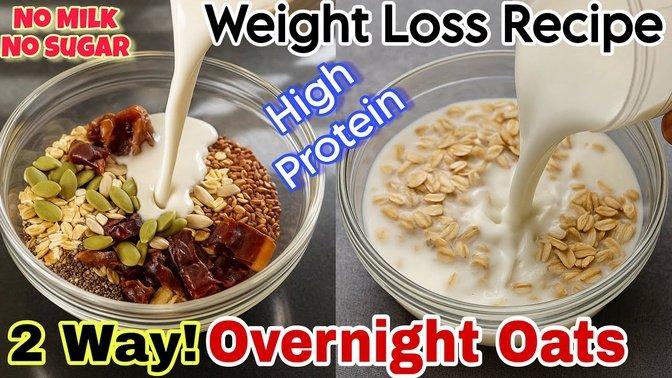
Lose Weight with These 2 High Protein Overnight Oats | How to Make Oats for Weight Loss Recipes.Oats
#food #breakfast #breakfastideas
 wqzzxfn.pics·19d ago
5 Quick High-Fiber Smoothie Recipes for Healthy Breakfasts and Snacks
These high-fiber smoothie recipes are easy to make in just 5 minutes! Perfect for a healthy breakfast or snack, they're filled with nourishi
 Love and Lemons·3mo ago
Combining Fasting and Fibre Interventions to Optimise Their Gut Microbiome-mediated Health Benefits
Conditions : Fasting; Dietary Fibre; Gut Microbiome; Metabolism Changes; Overweight , Obesity Interventions : Dietary Supplement: Fibre Arm;

Study: Eating fruit at dinner linked to better glucose control in obese adults
Além do teor de açúcar, as fibras e os compostos bioativos promovem, geralmente, uma melhor resposta glicémica subsequente. Segundo um autor
 sapo.pt·19d ago
Intermittent Fasting Aids Weight Loss, With a Surprising Psychological Benefit
Researchers compared intermittent fasting with calorie counting and found that people following fasting protocols thought about food less of
Branched chain amino acid metabolism and microbiome in adolescents with obesity during weight loss therapy
BACKGROUND Obesity and weight loss in adults have been associated with distinct metabolome and gut microbiome features, but the extent to wh
Comments
Sign in to join the conversation.
No comments yet. Be the first.